
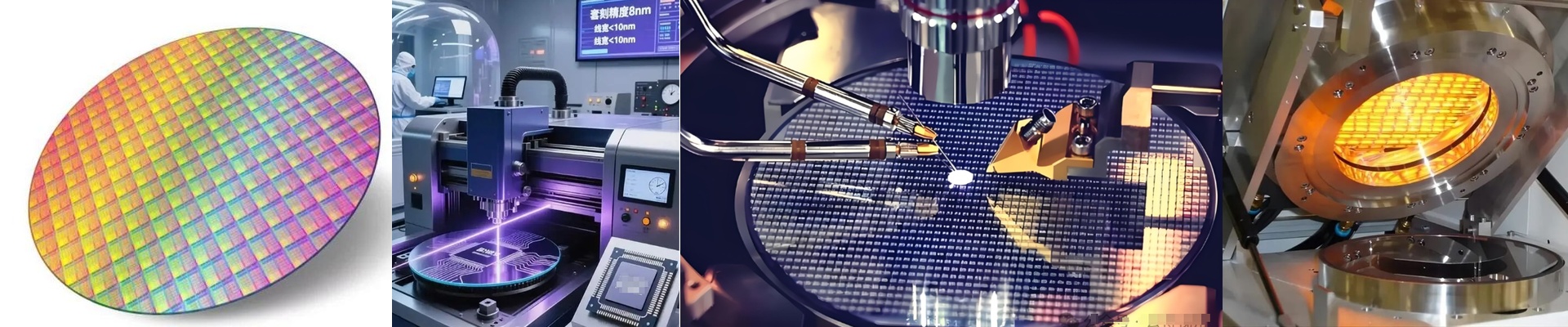

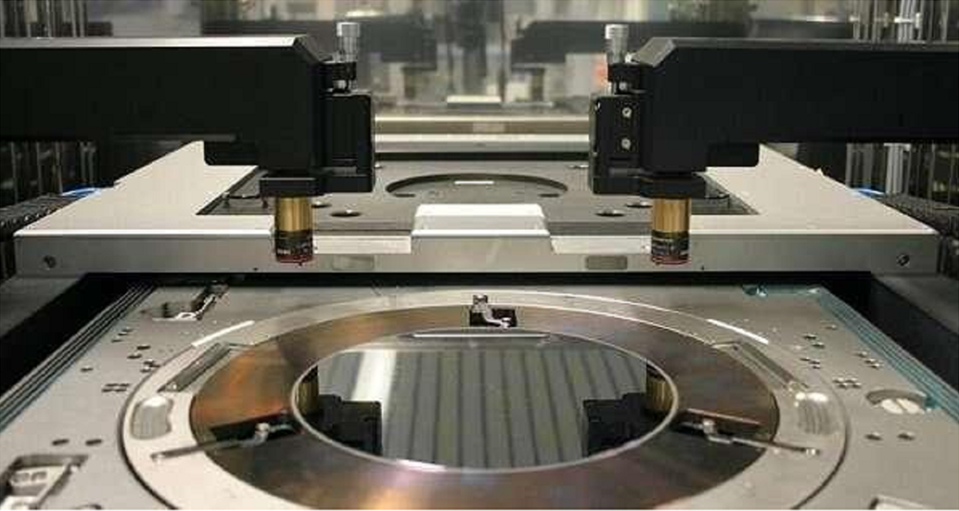
On the fab floor, temperature isn’t a variable you fiddle with—it’s a spec you live by. A half-degree excursion during photoresist soft bake or hard bake can shift critical dimensions, scrap a lot, and wipe out hours of process time. We build our semiconductor processing heater elements to take that risk off the table.
What matters under the hood
We’re talking wafer-level thermal uniformity within ±0.1°C across the active zone. That translates to repeatable CD control and stable resist profiles, period. The design is cleanroom-ready for Class 1–100, keeps outgassing low, and produces zero particle events—so yield stays protected in lithography and track integration.
The profile is stable, with fast ramp rates and tight steady-state control. Every bake lands inside the thermal budget without overshoot. These units run 24/7, tens of thousands of cycles, and still hold consistent performance—no unplanned downtime.
Why this matters in photoresist processing
The bake step sets the table for exposure and development. Our heaters hold setpoint—whether it’s soft bake or hard bake—so linewidth variation and scum defects drop off. Cleanroom-compatible materials and construction keep particle counts down, and repeatable thermal behavior shortens qualification cycles and cuts scrap.
Energy use is lean, too: efficient heat delivery and minimal standby losses lower operating cost without slowing throughput.
The practical details you’ll want to get right
Installation comes down to exact alignment and control of the thermal interface—mismatched mounting will introduce gradients and drift. Match voltage, connector type, and envelope dimensions to the tool footprint.
The element has defined ambient and coolant constraints, so confirm coolant purity and flow to avoid hot spots. And plan for scheduled preventive maintenance—it preserves uniformity, extends life, and keeps your process discipline intact.