Pipe Heater Electric: The Simple Logic Behind the Heat
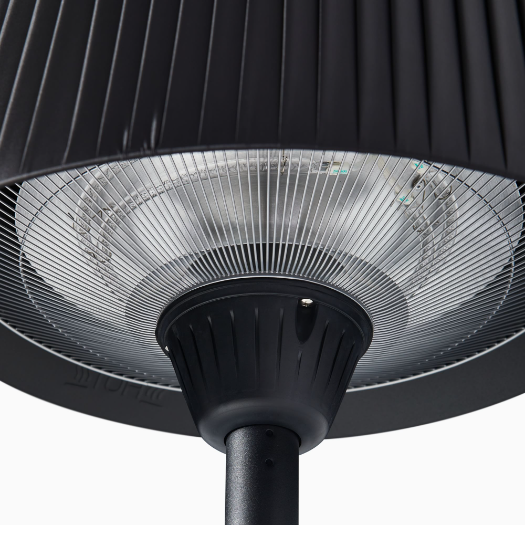
We built these pipe heater electric systems for one reason: to get intense heat exactly where you need it—especially when space is tight and you can’t afford to lose control. These aren’t your run-of-the-mill heaters. They’re focused. Quartz-based electric elements, designed to go straight onto pipes, fittings, and small process areas, delivering heat right where it counts. And the way they work? It’s honestly pretty elegant. Inside that quartz tube, a high-resistance filament turns electricity into heat—fast. You get both radiant and conductive heat, right where you want it.
Power, Voltage, and Size: Getting the Details Right
The specs aren’t just numbers—they’re what make the whole thing work in the real world. Take voltage, for example. Go with 400V when you’re on a three-phase plant setup, and you can run several heaters without worrying about overloading a 230V circuit. Higher voltage means lower current for the same wattage, which means you can use smaller wires and keep connections cooler. Wattage—2500W, 3000W, and so on—sets how much heat you get. And the length? That’s what determines how much of the pipe gets heated. Match the watts to the pipe itself—its mass, its insulation—or you’ll either never hit the temperature you need, or you’ll overheat and burn things out. It’s about balance.
The Materials That Make It Work
Quartz isn’t just a choice—it’s the right choice. It handles sudden temperature swings without cracking, and it stays clear so the radiant heat gets through cleanly. Inside, a halogen fill helps the filament last longer and keeps the output steady, no matter how many heating cycles you run. And that reflective coating or gold plating? It’s not for looks. It focuses the heat forward, so you’re not wasting energy warming up the air around the pipe. Then there are the connectors—R7s and SK15. They’re not picked at random. They’re tough, high-temperature connections that can handle vibration and constant heating and cooling. Plus, they make these heaters a straightforward drop-in replacement when you’re upgrading existing equipment.
What It’s Like to Use This in the Real World
Here’s the thing about this setup—it shines when you need heat fast. Think rapid pipe heating, melting plastic in tight zones, or heating up a small process area without waiting around. But with that kind of focused power, you have to plan for it. High heat density means you need space around the heater and a way to keep things cool nearby. If you don’t give the heat somewhere to go, the connectors and wiring will run hot, and that shortens the life of the whole unit. Size the heater properly. Double-check the voltage. And plan how the air will move around it. Do that, and it’ll just do its job—steady, reliable, and ready when you are.