
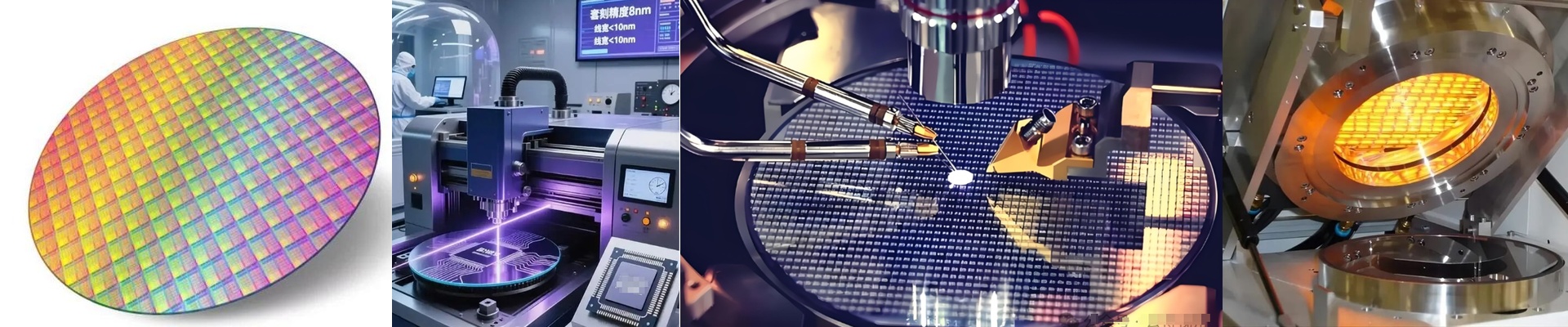
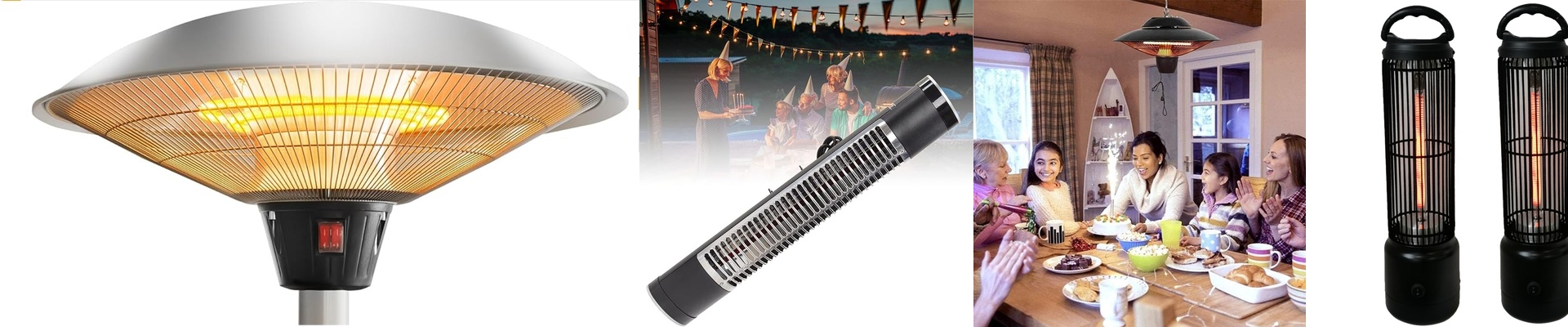
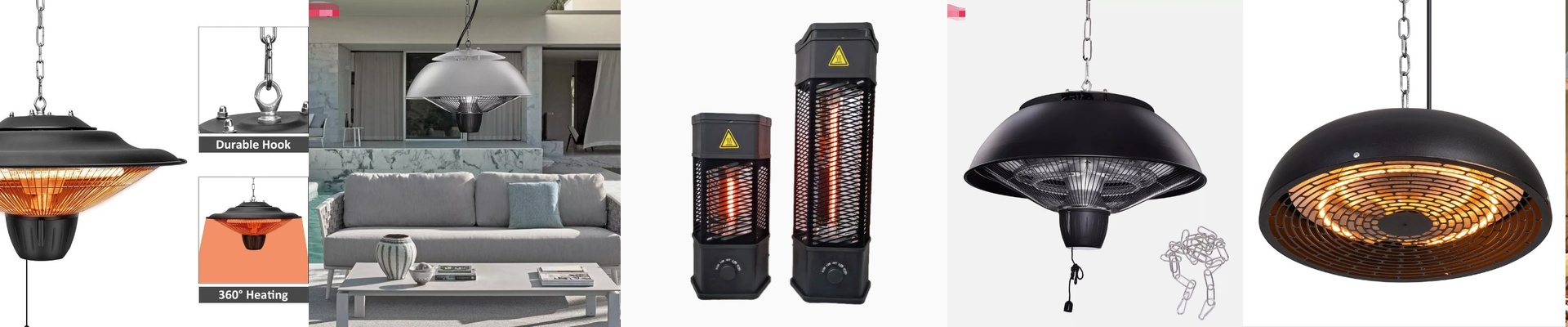
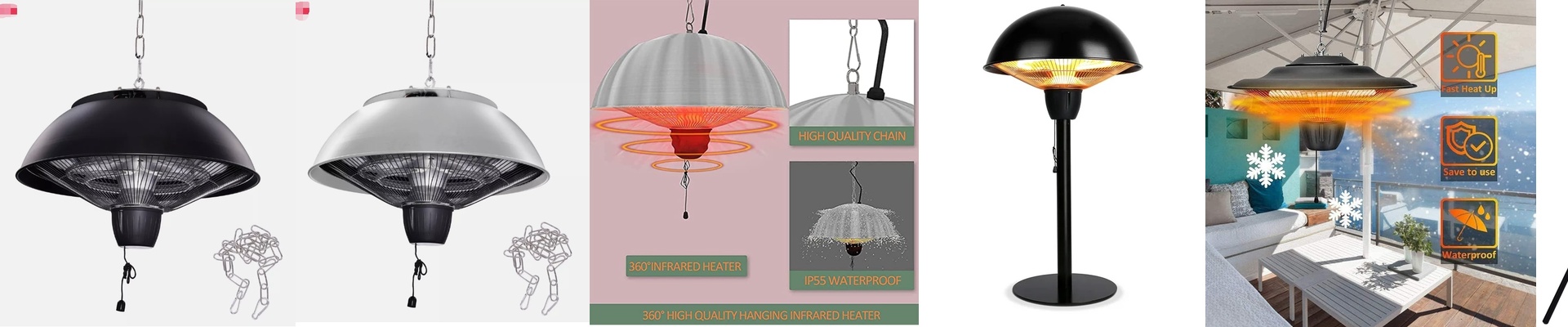
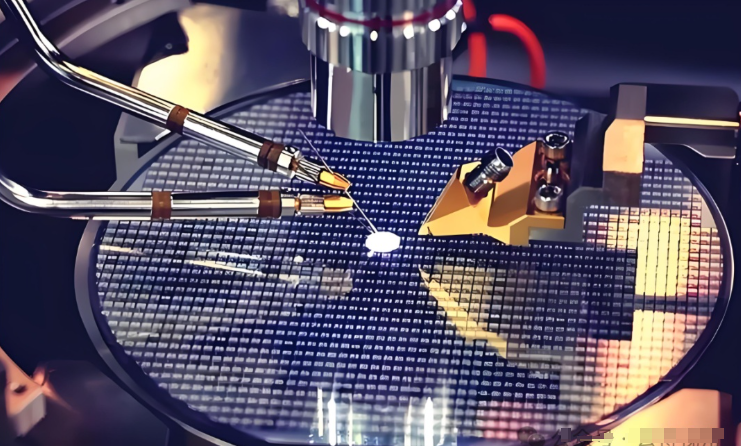
On the fab floor, photoresist bake isn’t optional—it’s a tolerance you live by. A 0.5°C drift across the wafer shows up as linewidth variation after exposure, and that turns into yield loss, plain and simple. We built our voltage regulator for fab IR to keep the thermal profile where it needs to be: stable, repeatable, and under control. What matters, technically IR heats fast, sure, but it’s only useful when the heat field is uniform. Our regulator holds tight voltage control on the IR emitter bus, so output stays steady despite line sag and load switching. You get sub-millimeter uniformity across the hot zone and ±0.1°C setpoint stability at the wafer plane. That’s not a tagline—it’s a measurable cut in thermal gradient. The unit is cleanroom-compatible for Class 1–100, with materials and packaging chosen to keep particle counts down. Zero particle generation is the target, and we track it with in-process monitoring. Why it works in practice Soft bake and hard bake get predictable. Same recipe, same day, same shift, same thermal result. That repeatability cuts scrap, shortens qualification cycles, and protects your thermal budget on advanced nodes. Energy use drops too—stable regulation prevents overshoot and keeps the emitter running at its intended efficiency. Count on 24/7 reliability, without unplanned downtime driven by thermal drift. What you need to know Installation is straightforward, but the IR load has to match the regulator’s current rating. Verify emitter resistance and bus layout; long feeder runs can introduce parasitics that will bite you. Plan for proper thermal management around the regulator and keep clearances to avoid local hot spots. Match the regulator to the emitter, and the process stays in spec.