
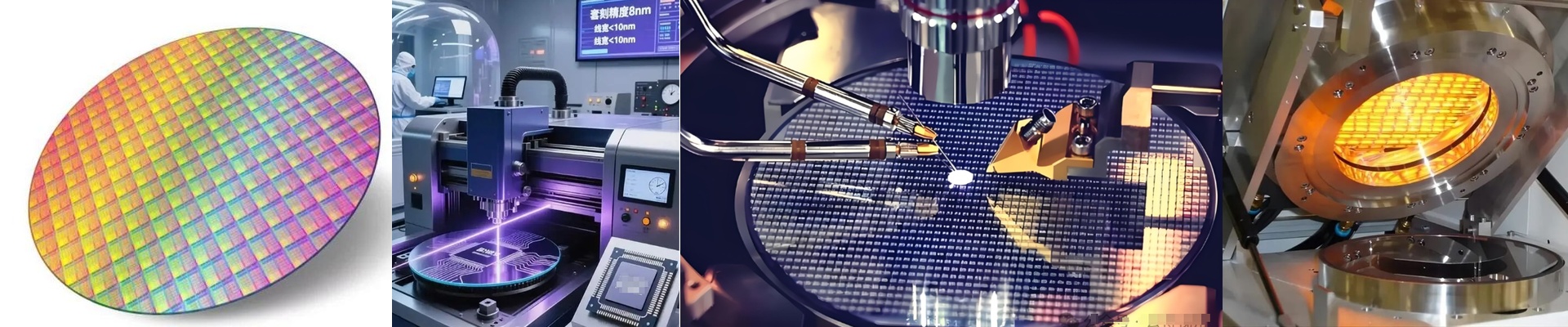
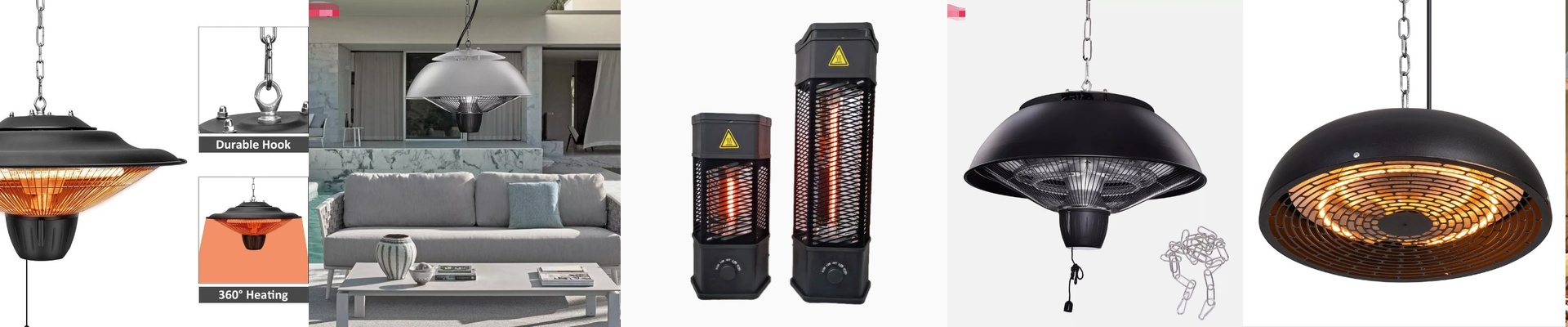
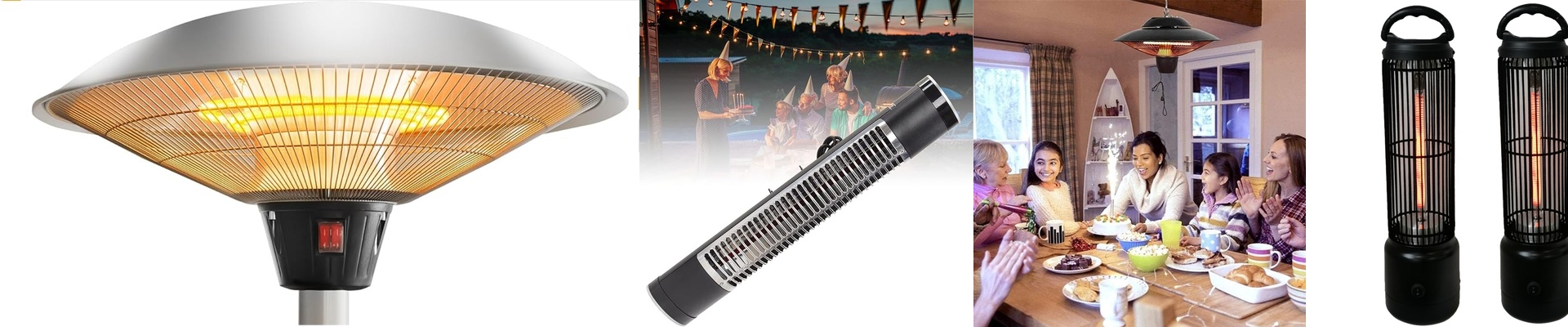
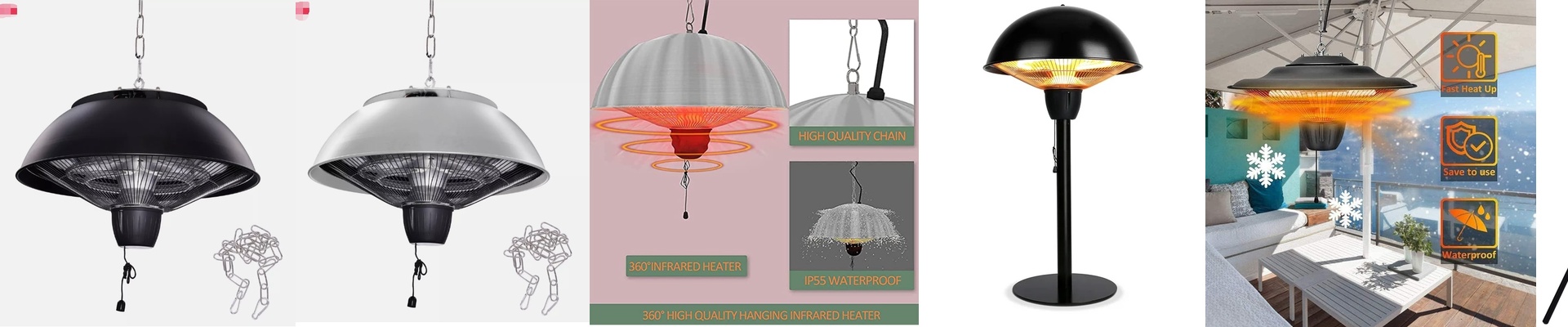
On the lithography floor, time is never on your side. A soft bake that drifts even 2°C throws solvent evaporation off, changes how the photoresist flows, and pushes critical dimension control out of spec. Hard bake instability brings scumming and adhesion loss, and every scrapped wafer costs you in time, chemicals, and cleanroom capacity. Thermal control isn’t a “nice to have”—it’s a process boundary. We picked short wave infrared (SWIR) lamps for semiconductor thermal work because they dump energy straight into the photoresist and substrate, fast and with real control. The wavelength band gives you rapid, volumetric heating and low thermal inertia in the lamp itself, so the system can track setpoints quickly during bake steps and hold them steady during soak.
What matters under the hood
We build SWIR lamp systems around repeatability, uniformity, and cleanroom fit. The choices are intentional, and you see them in yield and uptime.
- Spectral output and response: SWIR output lines up with strong absorption in many photoresist systems and common substrate stacks. That means efficient energy transfer, minimal lag, and fast ramp rates without overshoot.
- Wafer-level thermal uniformity: The lamp array and reflector geometry are tuned to hit ±0.1°C uniformity across the wafer at the process setpoint. Tight uniformity cuts edge-to-center bias in solvent loss and crosslinking, which keeps CD and profile stable across the lot.
- Photoresist bake precision: Soft bake and hard bake profiles come in with setpoint stability that supports ≤±0.5°C control. That keeps the thermal budget inside the window the resist chemistry and underlying film stack demand.
- Cleanroom compatibility: The assembly is built for Class 1–100 environments. External surfaces are smooth and cleanable, and the hot zone is isolated to minimize particle generation. Lamp envelope and fixtures are chosen to cut outgassing and kill contamination sources.
- Zero particle generation in practice: The thermal design avoids hot spots that can crack films or decompose residues. Paired with clean materials and sealed optics, particle counts stay low even during continuous operation.
- 24/7 reliability with minimal unplanned downtime: The lamp module is engineered for long life and stable output. We’ve got units running 5,000+ hours with less than 5% output drop, so you don’t get forced lamp swaps mid-campaign.
- Energy efficiency and thermal isolation: SWIR heating concentrates energy where it’s needed, so you waste less heat in fixtures and the enclosure. That lowers energy draw and reduces the thermal load on the cleanroom HVAC.
- Integration readiness: The system fits standard semiconductor equipment footprints and interfaces, with options for standardized electrical and control connections. It plays with existing process controllers and data logging, so qualification and requalification stay straightforward.
Why this lands in semiconductor
Semiconductor processing needs thermal steps that are fast, clean, and repeatable. SWIR lamps deliver where it counts. In photoresist processing, time at temperature is a precise chemical reaction. Soft bake controls solvent removal; hard bake drives adhesion and crosslinking. If the bake is slow to hit setpoint, solvents hang around and the resist behaves differently in exposure and development. If it overshoots, the resist can flow or form a skin that traps solvent. Either way, you get defects and excursions. Our SWIR lamp system brings the wafer to temperature fast and holds it there with tight uniformity. That turns into:
- Tighter critical dimension control: Uniform bake profiles reduce across-wafer bias, so CD targets stay in spec across the product mix.
- Fewer reworks and scrap: Stable profiles cut edge bead, scumming, and adhesion-related defects that trigger rework and scrap.
- Higher throughput: Fast ramp and short soak windows shorten cycle time per batch without shaving process margin.
- Lower operating cost: Energy is delivered on demand, with less waste heat and reduced cooling load. Lamp life supports long campaigns, so maintenance interruptions stay off the schedule.
- Process repeatability across tools: When the thermal profile is consistent from tool to tool, line transfers go smoother and qualification cycles get shorter. On the factory floor, these gains compound. Less variability means fewer alarms, fewer holds, and more predictable output. That’s how you keep the fab moving.
The things you need to plan for
No thermal system is universal, and SWIR lamps have real-world constraints you should front-load.
- Line voltage and power infrastructure: SWIR lamp systems pull significant peak power during ramp. Make sure the local power circuit, connectors, and grounding meet the spec. A dedicated circuit keeps transients from affecting other instruments.
- Fixtures and thermal mass: The tool’s chuck, carrier, and fixtures shape heating behavior. Matching thermal mass and emissivity across the load path is necessary to keep uniformity. Qualify the combination with a thermocouple map on product wafers.
- Cooling and exhaust: Even though the system is efficient, the lamp module and reflector assembly need cooling. Plan coolant flow and exhaust to keep the enclosure within limits and remove any minimal byproducts.
- Lamp replacement planning: Lamps are consumable, even when they’re long-lived. Build preventive replacement windows around your uptime targets and spares strategy. Don’t wait for failure mid-campaign.
- Cleanroom handling: Treat the lamp and optics as cleanroom-critical. Use proper ESD and particle control during installation. Even small contamination on the envelope or reflector can hurt uniformity and particle performance. If you’re running soft bake and hard bake with tight thermal budgets, SWIR lamps give you the speed, control, and clean operation semiconductor processes demand. The numbers aren’t hype—they’re the difference between a stable line and one that chases variability every shift.