Why we put our bathroom lamps through a “steam chamber” from hell
Let’s be honest: bathrooms are brutal on electronics. Between the thick steam from a hot shower and the occasional direct splash, your lighting is basically fighting a war against moisture every single day. For an IP44-rated lamp, the whole thing is only as strong as its weakest seal. We don’t want to just “hope” it holds up. Instead, we try our hardest to break it in the lab first.
The real reason lamps fail
Here is the thing about humidity: it’s sneaky. Water vapor finds its way into the housing and settles right on the electrical terminals. Once that happens, you get corrosion. That corrosion creates resistance, which leads to hotspots. And hotspots? They kill the lamp. It’s a slow burn that ends with a dead bulb way sooner than it should. To stop this, we use damp-heat aging tests. We basically shove the lamps into a high-humidity pressure cooker for a few weeks to simulate years of actual use. We’re looking to see if the gaskets shrink or crack under the stress. If a tiny bit of moisture hits the wiring or the quartz envelope, we’ve failed.
The trade-offs
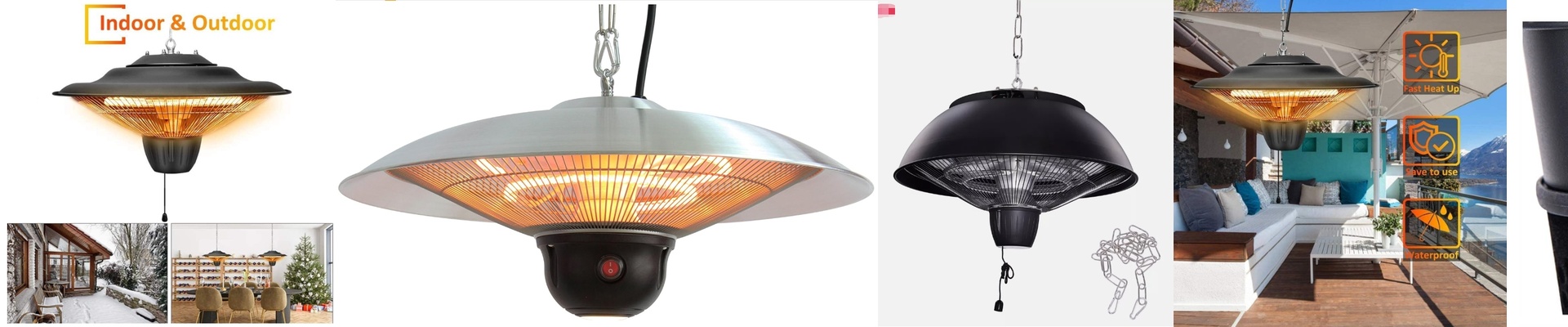
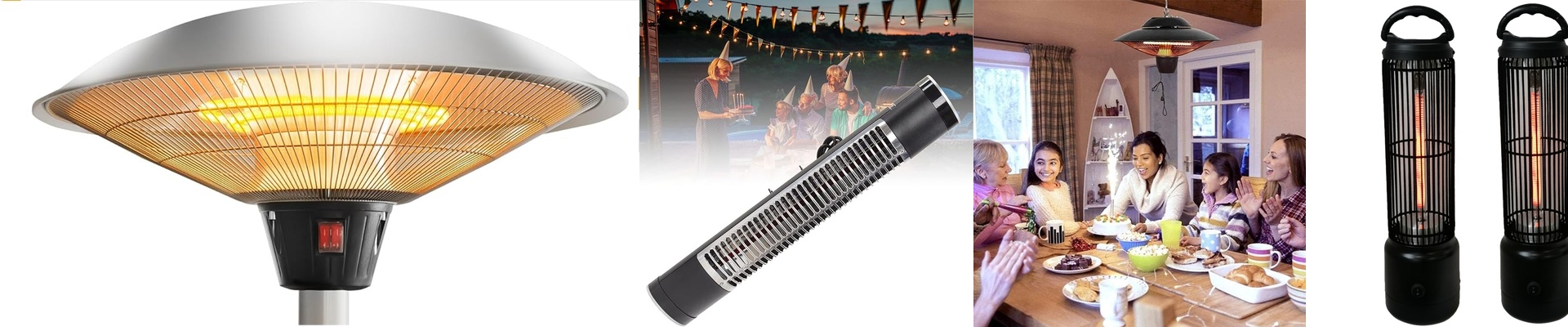
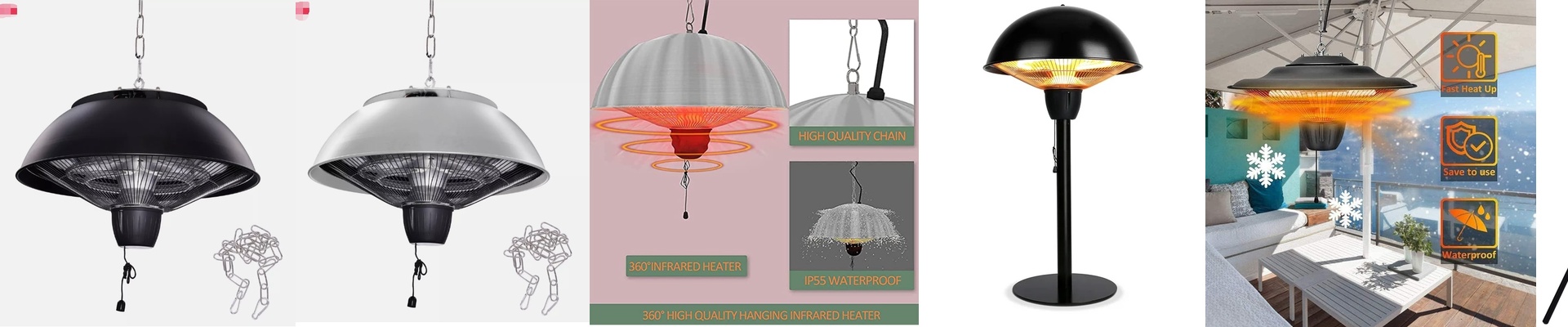
We spend a lot of time obsessing over where the wiring enters the lamp body. That’s usually where the trouble starts. A lamp might look fine after a quick splash of water, but 500 hours of saturated steam is a different story. To get that IP44 rating right, we have to use tighter tolerances and special potting compounds. Does this make the fixture a bit bulkier than a standard lamp? Yeah, it does. But it’s a trade we’re happy to make. It’s a lot better than dealing with a short circuit in a wet zone.
No guesswork allowed
While the lamps are aging, we keep a close eye on the light output. If we see any flickering or dimming, it tells us that moisture has leaked into the internal vacuum or messed with the halogen gas. We only ship the units that stay rock-solid through the entire cycle. It’s a rigorous process, sure. But it means when your customer flips the switch after a steaming hot shower, the light actually turns on. Every single time.