
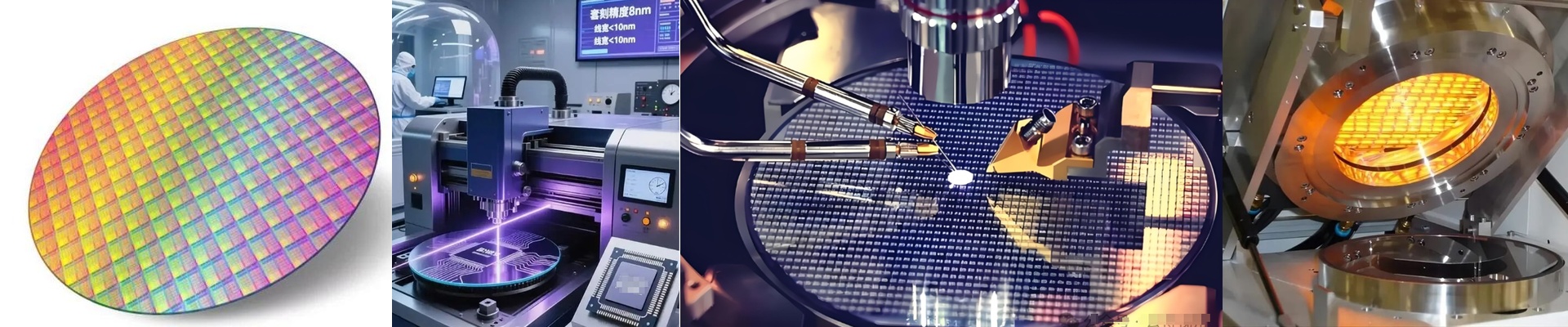
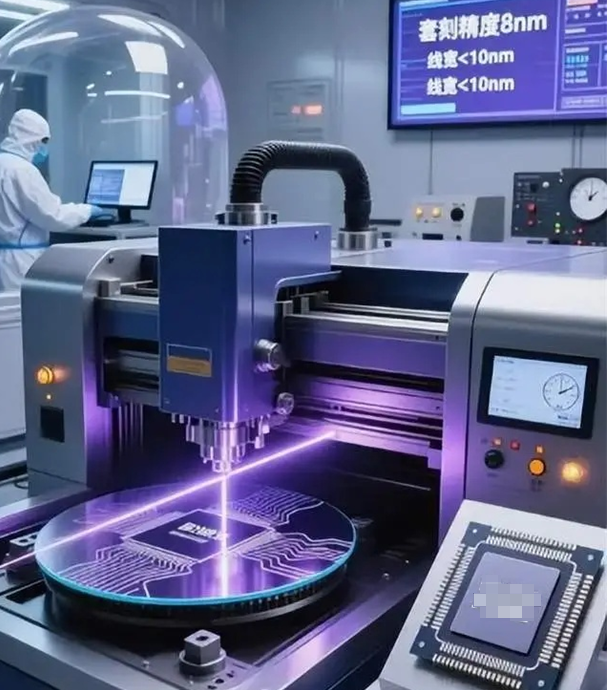
On the lithography floor, a 0.5°C drift in bake temperature is enough to scrap an entire lot. Soft bake is about pulling solvent out cleanly; hard bake is what locks the profile in. When thermal uniformity goes sideways, CD control falls apart and particle count climbs. What we built, and why it matters We put the bake module on short-wave NIR emitters with a quartz-enhanced thermal stack. That gives us wafer-level uniformity of ±0.1°C across the chuck, and setpoint stability that holds up around the clock. It’s cleanroom-compatible from Class 1 to Class 100, and it doesn’t shed particles during bake. Photoresist thermal budget comes out repeatable lot-to-lot, with temperature profiles that track the recipe exactly. Why this works on the line You run soft bake and hard bake on the same thermal platform, so you eliminate oven-to-oven shift. The process window tightens. Scrap drops. Energy use falls because IR heats the target, not the chamber. Reliability is baked in—components are rated for continuous duty, and the emitter array holds 5,000+ hours with under 5% output drop. Fewer interventions, fewer PM stops, and you get consistent line-of-sight thermal control for every wafer. What you need to plan for The module drops into existing tracks through standard mechanical and electrical interfaces, but it does need a dedicated 24V control line and clean, filtered cooling to keep the thermal envelope stable. Run a short qualification to map chuck-to-wafer offsets. Once that’s dialed in, the bake performance stays repeatable with minimal operator input.