
Glovebox Infrared Heaters: Heat Where You Need It, Not Where You Don’t
We built our glovebox infrared heaters for one simple reason: to give you precise, directional heat—without turning the rest of your setup into a sauna. Because in semiconductor and precision manufacturing, one scorched chamber wall or a component knocked off alignment can cost way more than the heater ever will. So we made a heater that puts the energy exactly where it matters.
Power, Voltage, and Shape—Thoughtfully Matched
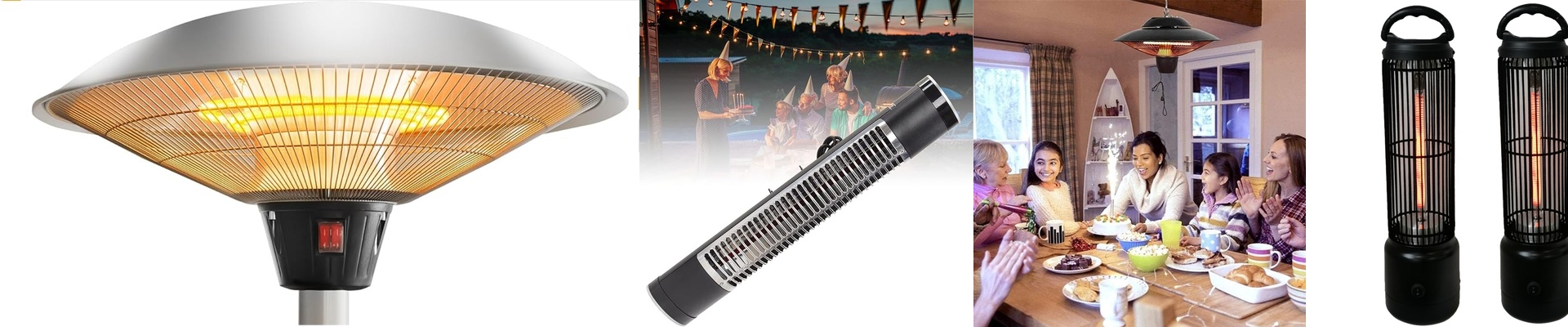
These infrared lamps pack a lot of heat into a small footprint. The tube is typically 300mm long, so it slips right into tight glovebox spots and lines up with standard mounts. No redesign needed. You just drop it in. We run these at 400V because you need serious power for fast temperature ramp-up in a controlled environment. That voltage gives you intense heat in a short distance. But here’s the practical part: your wiring and insulation have to be rated for it. You get the quick heat-up, and you also get a clear requirement—make sure the electrical side is built for the load.
The Core: Coated Quartz, and a Termination That Actually Stays Put
Inside, you’ve got a quartz envelope filled with halogen. That halogen cycle keeps the filament steady even at high heat, so output stays consistent over long stretches of use. The quartz is coated too, which helps control the spectral output and keeps it durable when it heats up and cools down, again and again. For the connection, we use R7s—a solid bi-pin design that gives you reliable contact and repeatable alignment. It’s straightforward to wire, holds its position during install, and lowers the risk of hot spots at the joint. And if you need to service it? It’s easy to swap out in the field.
The Real Win: Directional Heat That Makes the Space Safer
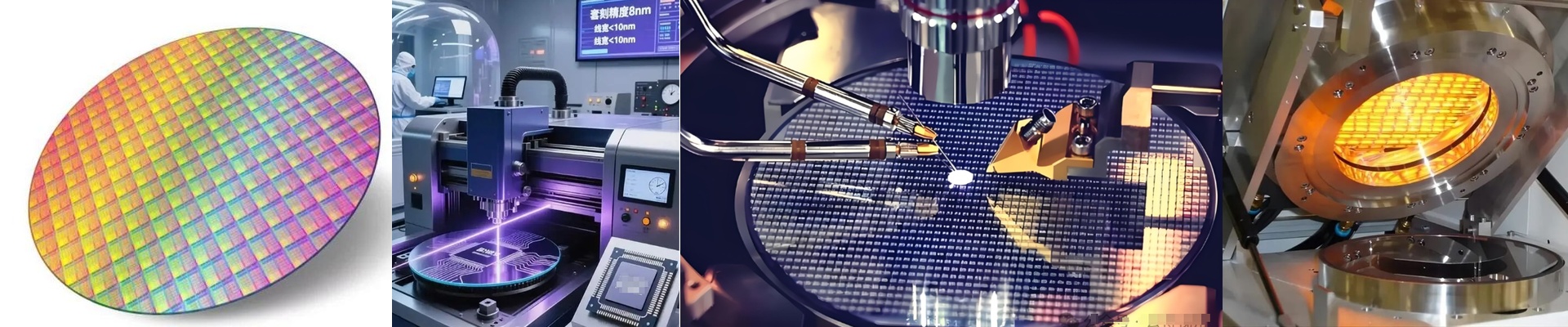
Inside a glovebox, stray heat is the enemy. Directional infrared heating focuses energy on the work surface or the process zone, while the walls and nearby parts stay much cooler. That means two big wins: less chance of burns when you reach into the box, and better protection for expensive semiconductor equipment from heat stress. You also get operational benefits—faster heat-up, stable temperature control, and less wasted energy. But there is a trade-off: thermal management. With high-density infrared output, your glovebox ventilation and cooling have to be up to the task. Plan your airflow and thermal isolation, and you get repeatable heating without cooking the surroundings.