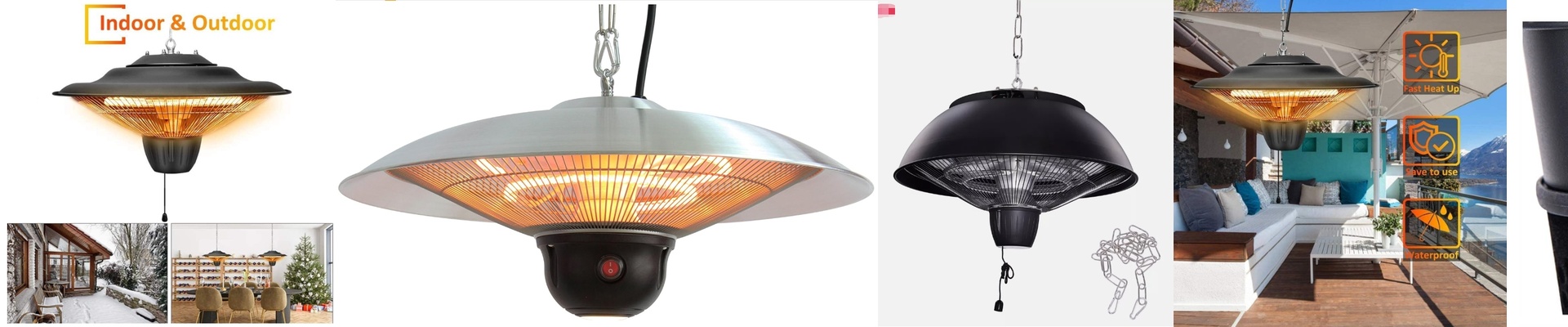
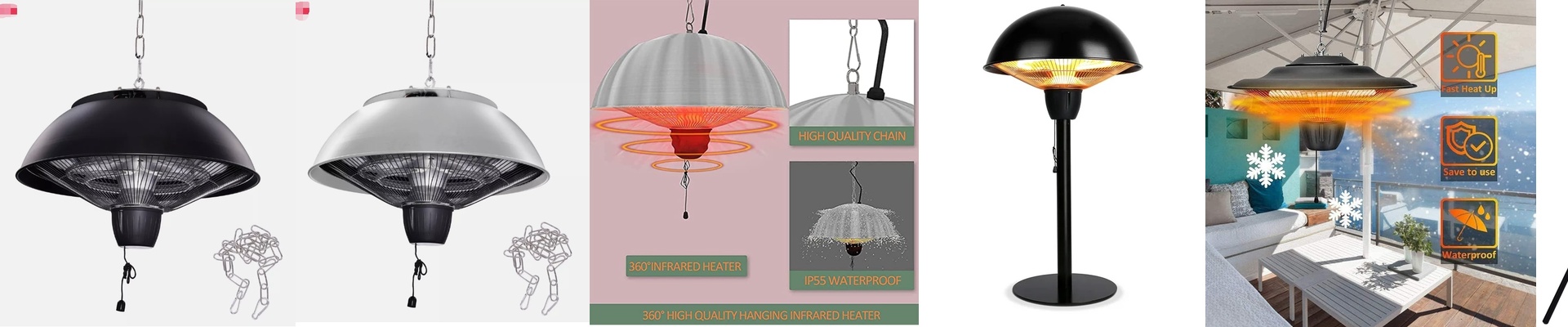
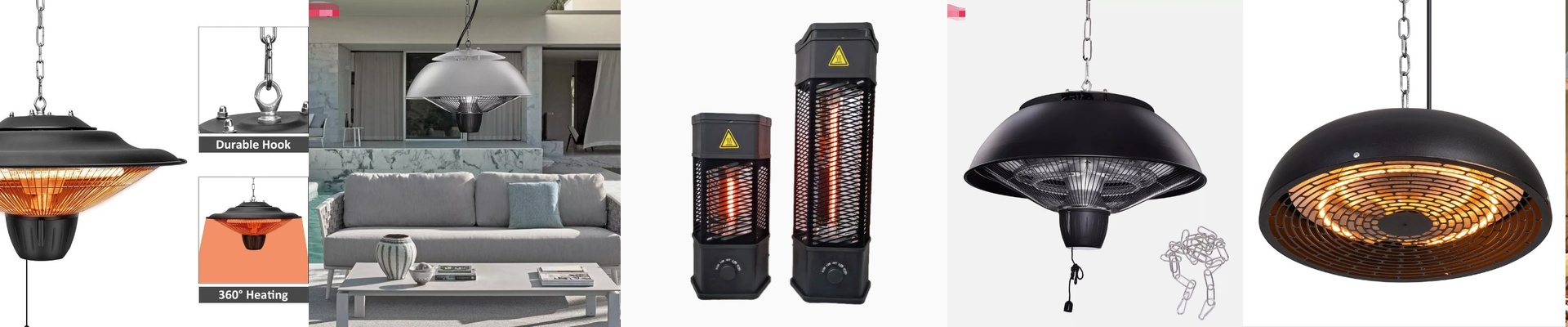
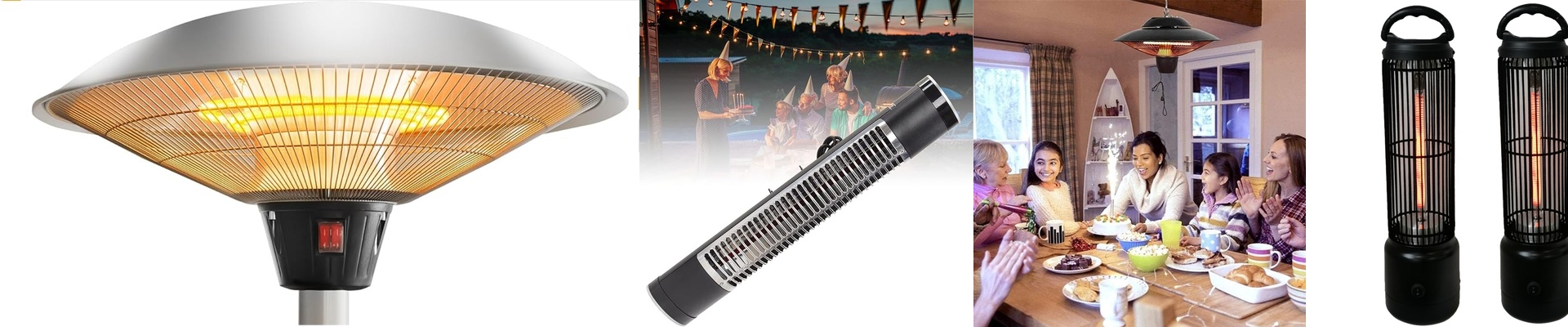
Winter doesn’t just bring cold air—it brings the annoyance of waiting around for warmth that never shows up on time. Convection heaters have to warm the air first, then chase that heat around the room while you stand there shivering and watching the meter spin. An indoor electric heater built around infrared warmth flips the script. You feel the heat right away, starting at the floor and rising through you.
What’s actually happening under the hood
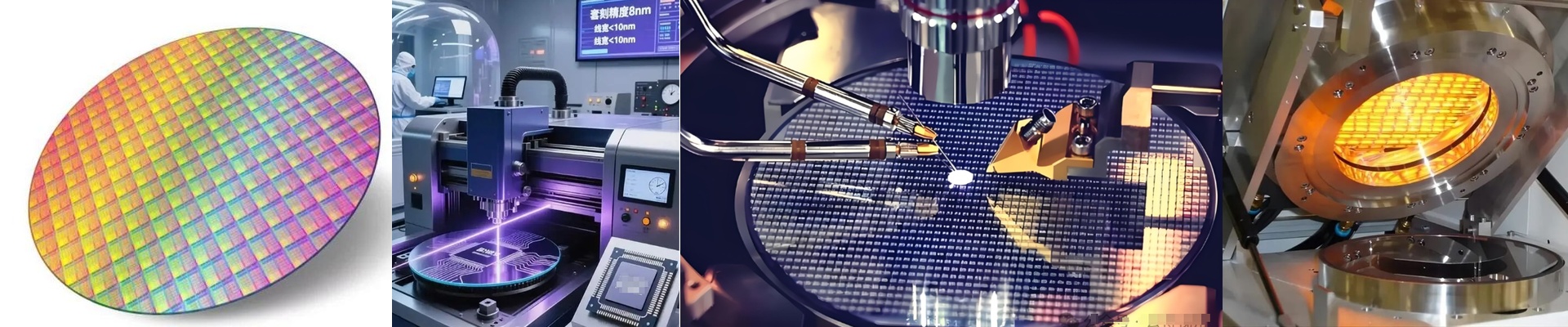
Infrared indoor electric heaters are built to turn electricity into radiant heat with almost no waste. In our testing, we’ve seen99.8% of the electrical input become effective infrared radiation, because the heat source is directly exposed in a focused radiant field. The heart of it is a high-purity quartz tube with a carbon fiber element inside—chosen for stable resistance and fast response. You get targeted warmth without heating a huge volume of air first. The output hits immediately, and the feel is steady—no blasts of hot air, no constant on/off cycling.
Where this shines in the real world
In living rooms, bedrooms, and workshops—anywhere comfort needs to be dependable—infrared warmth just makes sense. You feel the heat within seconds, which matters when you step out of the shower, come in from chores, or settle in for the evening. Because it’s radiant, it doesn’t dry out the air the way forced-air systems can, so the room feels cozy instead of parched. Energy goes where you are, so you can run the heater at the right level without wasting heat on empty corners. For personal comfort, that deep, gentle warmth helps relax muscles and can ease the stiff, achy chill that settles into joints on cold mornings.
The things you need to get right
Infrared indoor electric heaters are built for direct, nearby comfort—not whole-house heating. For the best results, place the unit within a few feet of where you sit or work, and keep the path clear. Most models plug into a standard outlet, but they do best on a dedicated circuit to avoid nuisance tripping. Keep the heater free of obstructions, and treat the built-in thermostat and tip-over protection as your baseline safety setup. If you want warmth that arrives fast, feels natural, and uses energy with focus, this is the practical way to get it.