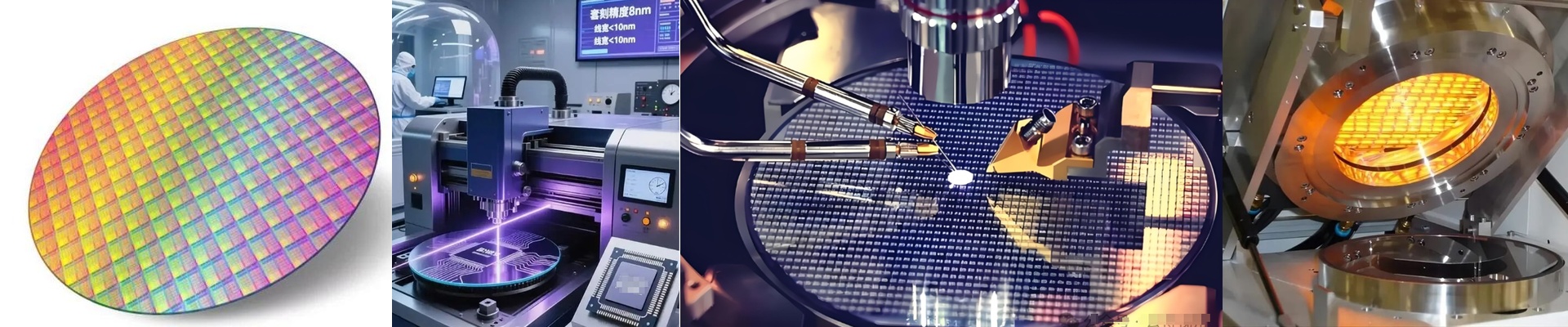
On the lithography floor, you know the drill: a 0.5°C drift in bake temperature and your critical dimensions shift by nanometers. That’s a whole lot of scrap in a hurry. We built the infrared lamp with an air knife unit to keep the thermal line where it has to be—on the wafer, across the field, shift after shift.
Infrared heating precision: sub-millimeter uniformity and repeatability
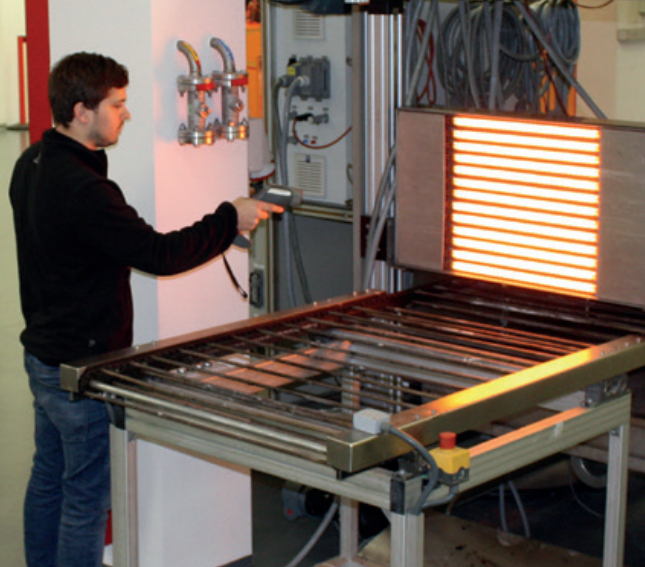
The system leans on short-wave NIR emitters to dump energy straight into the photoresist, fast. Closed-loop control holds the setpoint within ±0.1°C. The quartz-based design keeps the thermal profile stable and repeatable, and sub-millimeter uniformity across the wafer cuts edge bead and sharpens pattern fidelity. The integrated air knife throws a laminar, high-velocity curtain across the surface. It strips moisture and particles without touching the wafer, so you can run in Class 1–100 cleanrooms and keep particle counts down.
Why it fits semiconductor processing
This combo is built for photoresist processing—soft bake, hard bake, and post-exposure bake windows. The air knife pulls contamination off the surface before it bakes into the film, and the infrared heat delivers the thermal budget you want, every time. The payoff shows up as tighter CD control, fewer rework lots, and yield you can plan around. The unit also holds up on the line: we’ve seen units running 5,000+ hours with less than 5% output drop.
Installation and operating notes
The lamp drops into standard track tools and oven blocks, but alignment and airflow tuning matter. Expect a short commissioning window to set emitter height, air knife gap, and run a temperature map. Make sure your cleanroom pressure differential and exhaust can handle the added airflow. If they can’t, you’ll see micro-turbulence that will mess with bake consistency. And keep a routine emitter calibration schedule—repeatability across process nodes doesn’t happen by accident.