
Cleaning Up the Fab: Why IR Heating is the Way to Go
If you’re trying to get your carbon footprint down in semiconductor fab, you have to look at the old thermal processes. They’re just outdated. The biggest win? Getting rid of those clunky convection ovens and switching to targeted infrared (IR) heating.
Stop Heating the Air
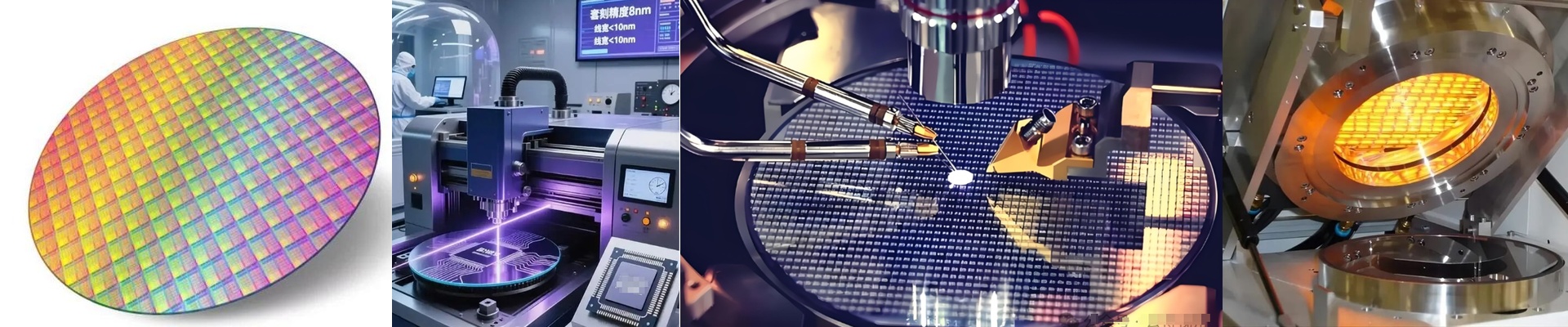
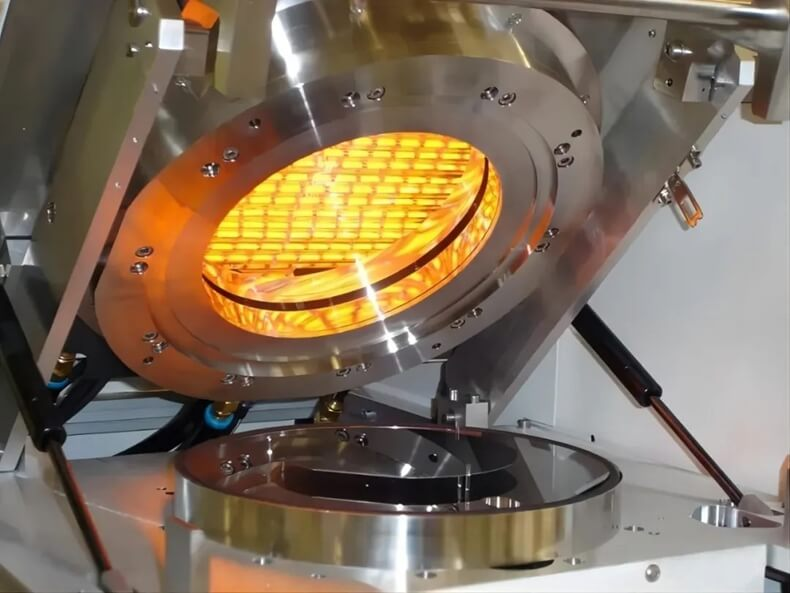
Here’s the thing: traditional heating is wasteful. It spends all its energy warming up the air inside the entire chamber just to get the part hot. It’s overkill. IR does it differently. It shoots energy straight into the wafer or substrate using electromagnetic radiation. It’s a night-and-day difference. We’re talking about cutting warm-up times from hours down to seconds. When we’re building a green factory, it all comes down to the wavelength. Short-wave IR digs deep into the material. Medium-wave is your go-to for surface curing. We set these arrays to hit exact temperatures without idling, so the second the cycle ends, the power draw stops. No wasted juice.
The Hardware Reality
Most of our fab-grade lamps use quartz envelopes with halogen filaments. They pack a punch. You get those fast ramp rates we love, but there’s a catch: these things run hot. If you cram a high-wattage tube into a tight space, you can’t ignore the cooling. Your fans and heat exchangers need to be up to the task, or you’re just asking for the filaments to burn out early. And a small detail that actually matters? The connectors. We use precision fits because a loose connection creates resistance. That resistance turns into heat at the terminals, and that’s usually where things start to fail.
What This Actually Means for Your KPIs
At the end of the day, switching to IR just uses fewer kWh per wafer. The gear takes up less room, too. That means you have less cleanroom space to keep climate-controlled, which is a huge hidden saving. If you swap out those old resistive heaters, you’re looking at cutting energy waste by 30% to 50%, depending on your cycle. It’s a pretty straightforward way to move toward carbon neutrality without slowing down your production line.