Why we’re ditching the big ovens for Carbon Fiber IR
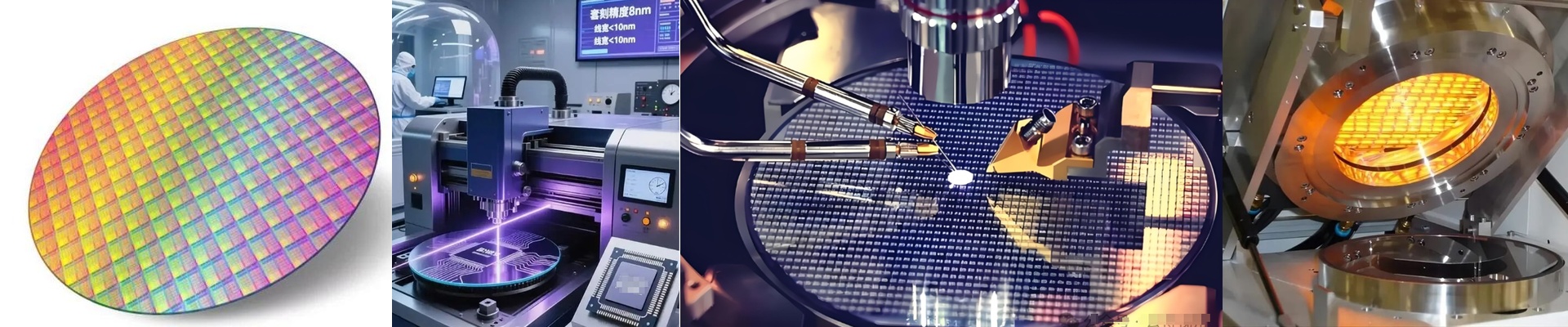
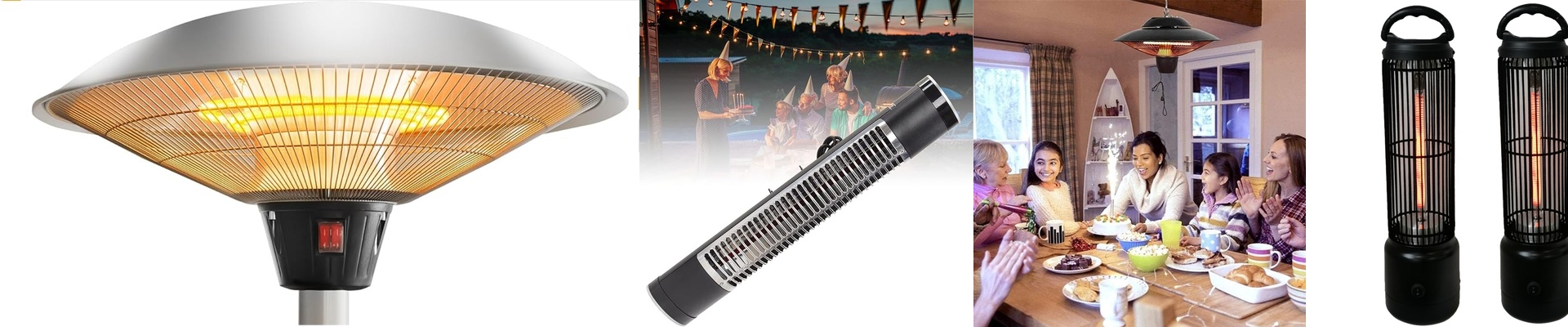
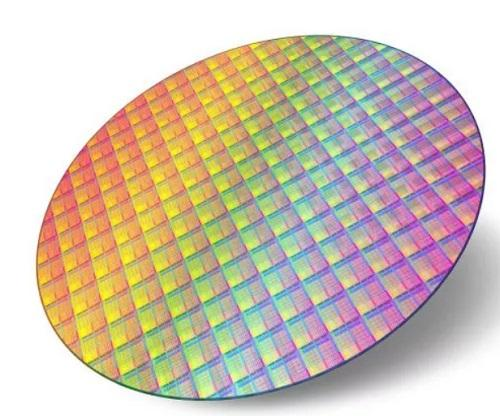
Let’s be honest: traditional convection ovens are a bit of a waste. You spend all this energy heating up the air and the metal box itself, just to get your parts dry. It’s inefficient. That’s why we’ve moved toward carbon fiber infrared (IR) lamps. Instead of heating the whole room, we just hit the substrate directly. It’s the main reason IR is now the go-to for anyone trying to hit those “lead-free” or “green” drying standards.
How these emitters actually work
Metal coils are old school. Carbon fiber is different. We weave these fibers into a conductive core that turns electricity into radiant heat almost instantly. The ramp-up is fast. Really fast. And that solves a huge headache. In those old convection systems, you often get “over-bake”—where the edges of your PCB or wafer are totally fried before the center even gets warm. With carbon fiber, that doesn’t happen.
Getting the “Green” part right
If you’re working with lead-free solders or eco-friendly resins, you have to be careful. These materials are picky. If your temperature swings too much, you’re looking at delamination or solder voiding, which is a nightmare to fix. The beauty of carbon fiber IR lamps is that we can tune the wavelengths. We can make the heat penetrate the coating without torching the base material. Plus, it’s clean. No combustion gases. No weird VOC emissions coming off the heating elements. The energy just goes exactly where it needs to go.
The trade-off (because there’s always one)
Here’s the thing: you get high heat density and a tiny footprint, but these lamps are a bit sensitive. If your power supply spikes, you’ll burn out the filaments. It’s a fragile balance. You’ll need to make sure your controllers can handle precise PWM (Pulse Width Modulation) so the lamps don’t hit their ceiling and pop. But honestly? It’s a fair trade. You’re swapping a massive, power-hungry oven for a lean IR array that cuts your curing time from hours down to minutes. If you’re trying to meet strict ESG goals or lead-free certifications, it’s a pretty easy switch to make.