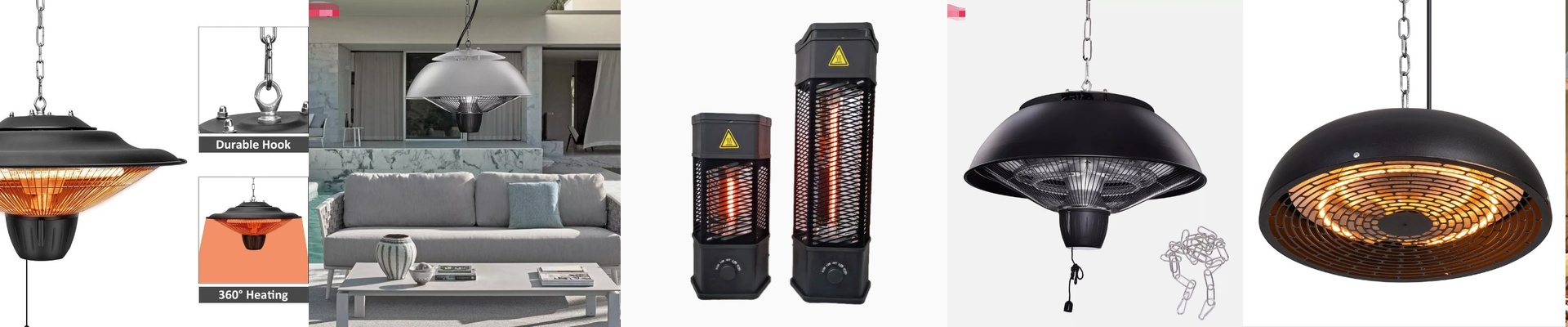

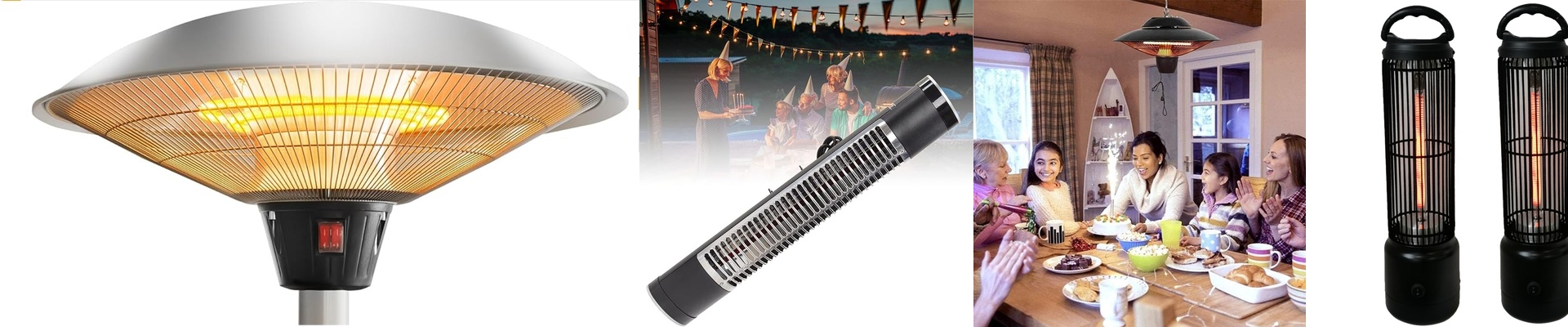

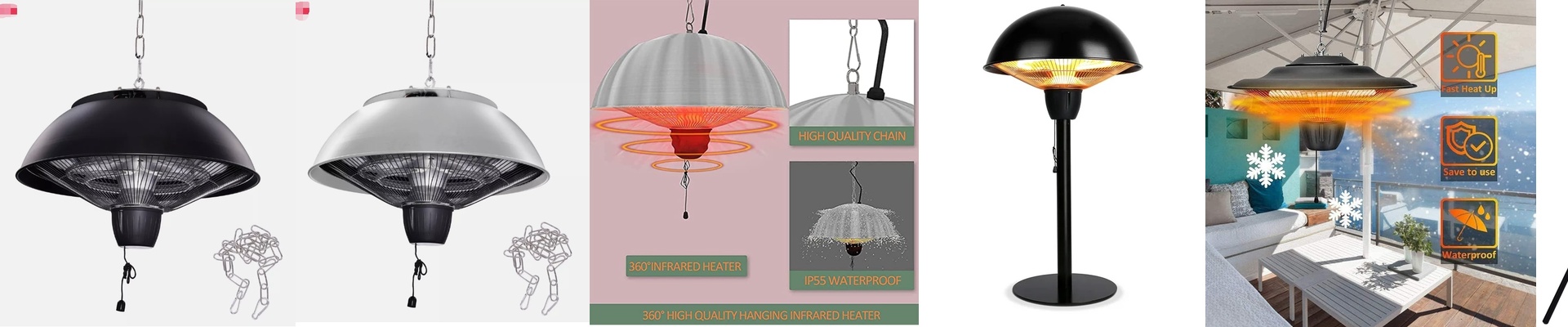
Why we put our IP66 heaters through the wringer
Bathrooms are honestly a nightmare for heating elements. You’ve got thick steam, direct splashes of water, and temperatures that swing wildly from freezing to scorching in a matter of minutes. Now, we could just point to an IP66 rating on a spec sheet and call it a day. But a piece of paper doesn’t tell you when a product is actually going to quit on you. That’s why we put every single batch of our infrared lamps through damp-heat aging tests. We want to find the breaking point before the customer does. Here’s the thing about moisture: it’s sneaky. An IP66 rating means the unit can handle dust and powerful water jets, but that’s a static test. In the real world, these lamps heat up to 500°C and then cool back down to 20°C. This causes the materials to expand and shrink—almost like the heater is “breathing.” That breathing effect can suck moisture through tiny, microscopic gaps in the gaskets or where the cables enter. Once that dampness hits the internal wiring or the terminals? You’re looking at rust, oxidation, or a dead short. So, we build a “torture chamber.” We blast the heaters with high heat and heavy humidity for long cycles to see what happens. We’re mostly hunting for three things: First, we check if the silicone or rubber seals start to perish or crack under the stress. Then, we look at the connections to see if they’re oxidizing, which messes with the electrical resistance. And finally, we make sure the insulation can actually hold up when the air is basically a soup of water vapor. It’s a bit of a balancing act, though. If we make the seals too tight to keep water out, we create a pressure cooker inside the unit when it heats up. That puts a massive amount of stress on the glass-to-metal seals of the infrared tube. If we over-engineer the waterproofing without leaving room for that pressure to move, the lamp might just pop and burn out way too early. We spend a lot of time tweaking that balance—making sure it’s watertight, but giving it enough room to breathe so it doesn’t fail after a month. We’re happy to share our test reports because, at the end of the day, a heater that works on day one is useless if it shorts out on day ninety.