
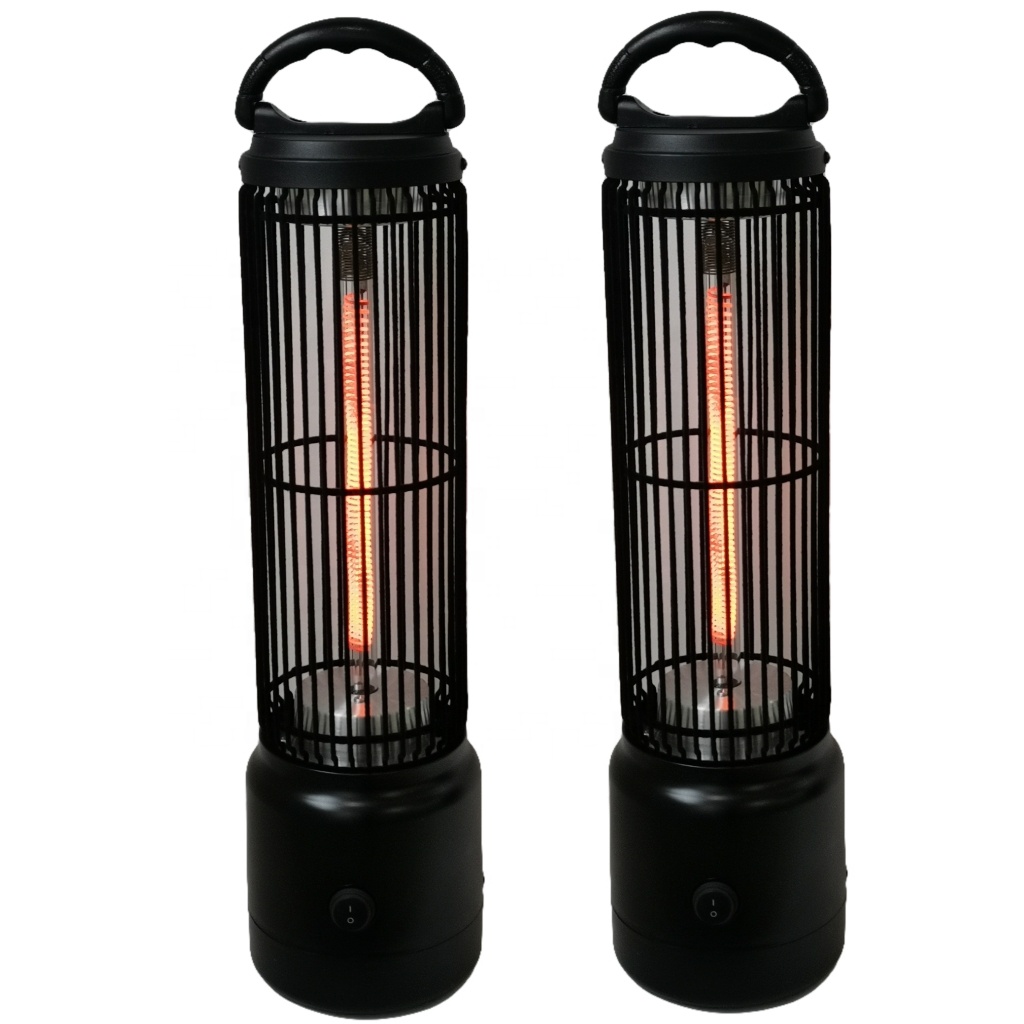
Why we put our bathroom heaters through hell
Let’s be honest: bathrooms are a nightmare for electronics. You’ve got thick steam, sudden temperature jumps, and water vapor practically begging to find a way inside your fixtures. It’s a recipe for a short circuit or a dead lamp. That’s why we don’t just build these infrared heaters and ship them out. We put them through “damp-heat aging.” Basically, we try our hardest to break them in the lab so they don’t break in your ceiling. The battle against steam Here’s the thing about water vapor—it’s sneaky. It finds the tiniest gaps in seals and connectors. When a halogen tube hits several hundred degrees, any trapped moisture expands fast. That puts a huge amount of stress on the quartz glass. If the seal isn’t perfect, the glass cracks. We use aging chambers to cram years of shower steam into a few days. If a lamp is going to fail, we want it to happen on our workbench, not in your customer’s home. Fighting the rust Then there’s the wiring. Wet air eats away at connectors, leading to oxidation. That creates electrical resistance, which leads to more heat at the terminals. If that gets out of hand, you’re looking at melted housings or tripped breakers. By cycling the lamps through extreme heat and humidity, we can see if our plating actually holds up. It’s the only way to be sure. The balancing act Now, you might think, “Just seal it tight and call it a day.” But it’s not that simple. If we make the seal too airtight, the internal electronics can’t breathe. They overheat and fry themselves. It’s a constant tug-of-war between keeping the water out and letting the heat escape. Our tests help us find that sweet spot. We make sure the lamp still puts out the same warmth and light, even after we’ve soaked the enclosure in moisture. It’s a lot of work, but it’s the only way to get it right.