Keeping Things Safe When It’s Steamy: A Real Look at IPX5 and Quartz
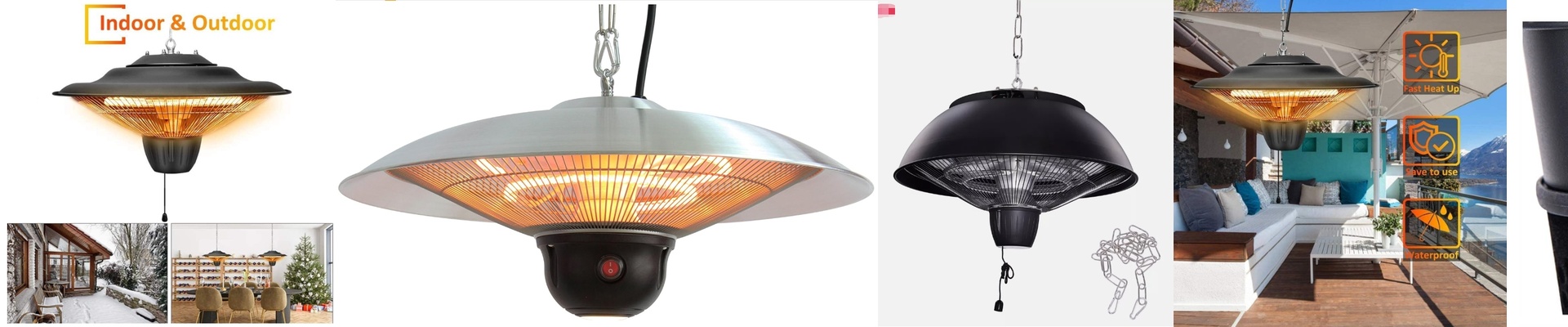
When you’re picking out a heater for a bathroom, you’re thinking about more than just getting warm. You’re thinking about water. Lots of it. And when water meets electricity, things get dicey fast. That’s why we lean on IPX5 rated enclosures. In plain English? It means if you spray the unit from any angle, it isn’t going to short out and leave you in the dark.
Why “Explosion-Proof” Quartz Matters
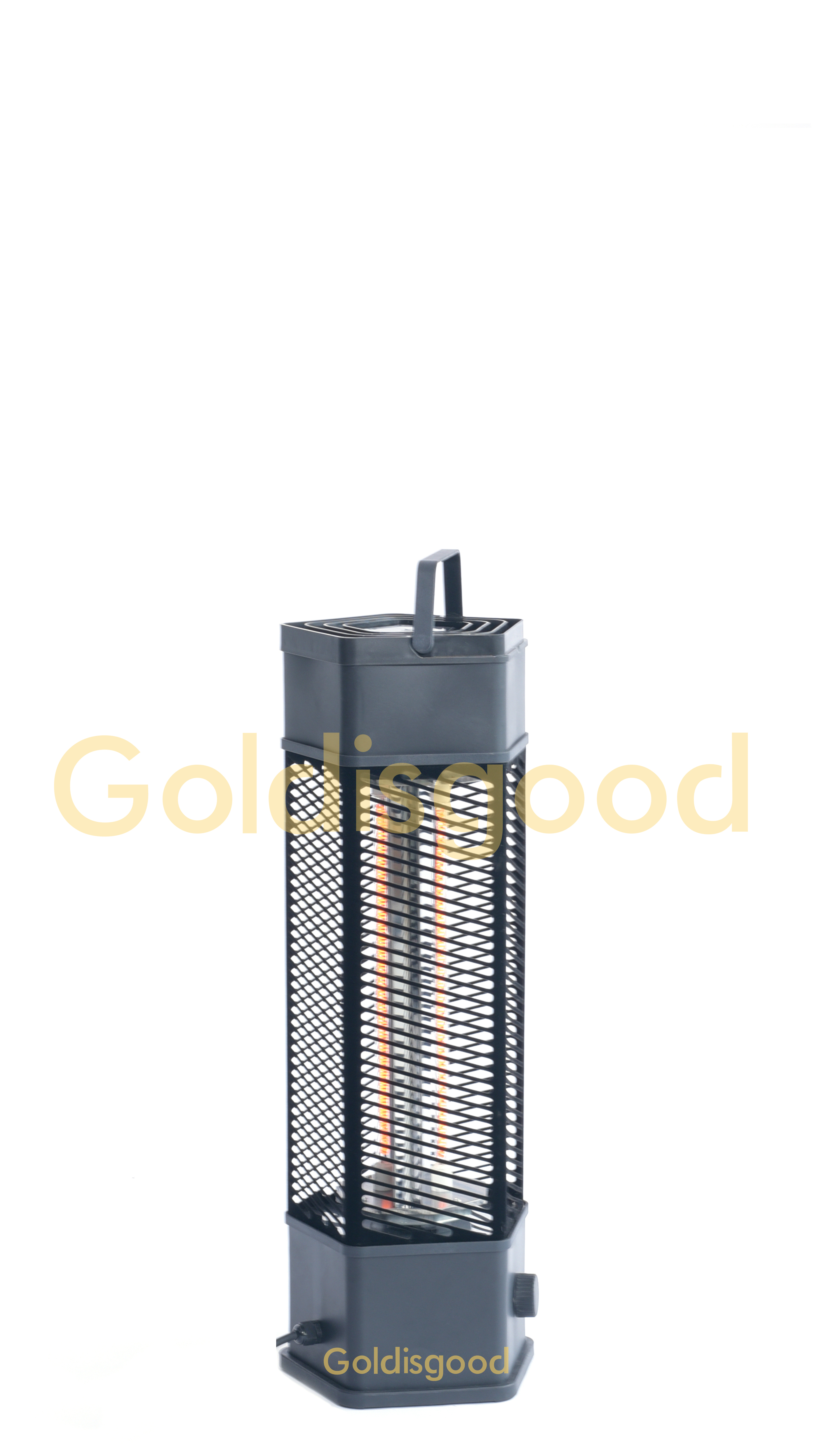
Here is the scary part about standard quartz tubes: they hate cold water. If a drop of cold water hits a scorching hot tube, the glass can basically vanish in a pop of shards. Not great. We use explosion-proof quartz to stop that from happening. These tubes are built to handle those wild temperature swings. And if the worst happens and a tube does crack, the internal design keeps it from bursting violently. It’s that essential safety net for whoever is standing right under the lamp.
The Balancing Act of Sealing and Heat
Getting an IPX5 rating isn’t as simple as just wrapping a lamp in plastic. We use silicone gaskets and sealed entries to keep the water out, but there’s a catch. If you seal it too tight, you trap the heat. Then you’re just cooking your own wiring. It’s a bit of a tightrope walk—keeping the water out while making sure the heat can still escape so the internals don’t fry themselves.
The Trade-offs
Look, nothing is perfect. To get that level of waterproof protection, the unit has to be a bit bulkier. You also lose a tiny bit of that instant infrared “punch” because of the shielding. You might notice it takes a second longer to feel the heat compared to a wide-open lamp. One last thing. Please, for the love of everything, wire these into a dedicated GFCI. Even with all the IPX5 bells and whistles, you’re dealing with high current in a damp room. A fail-safe trip is the only way to sleep soundly at night.