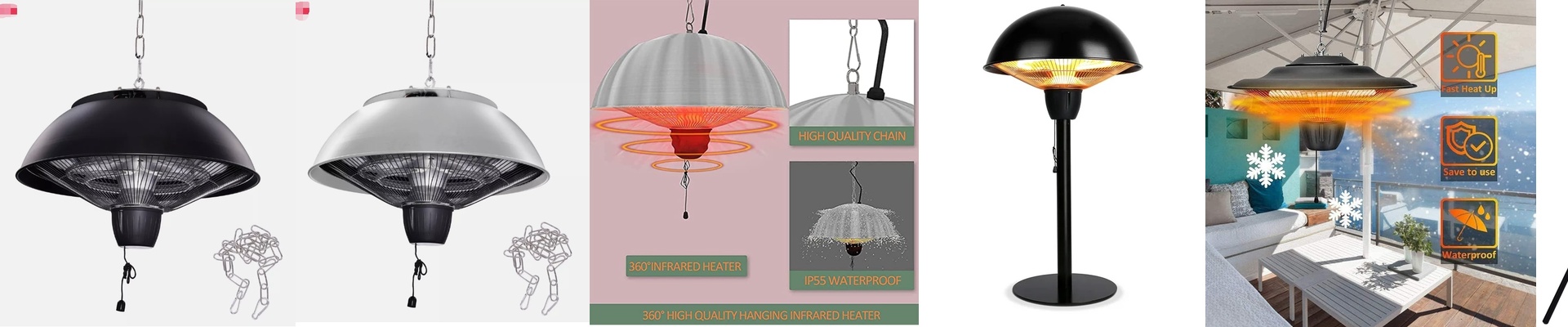
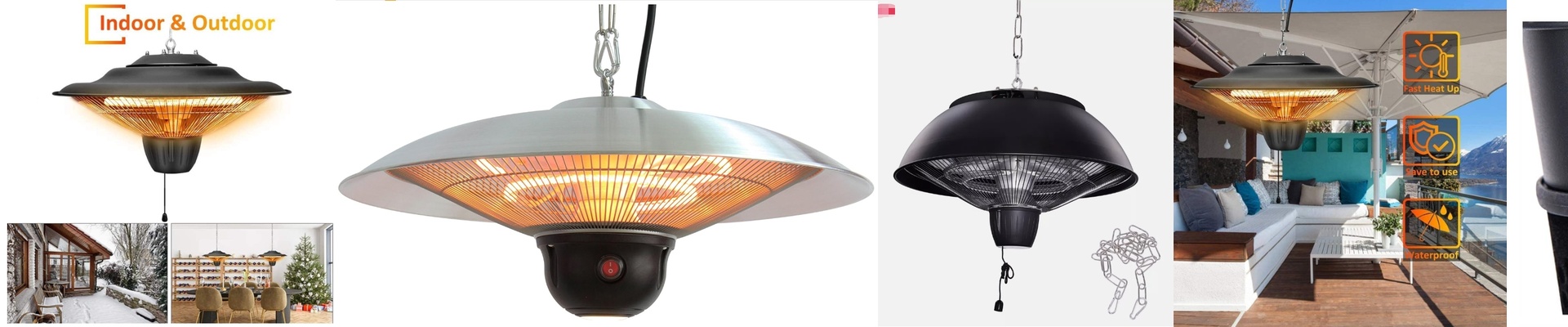
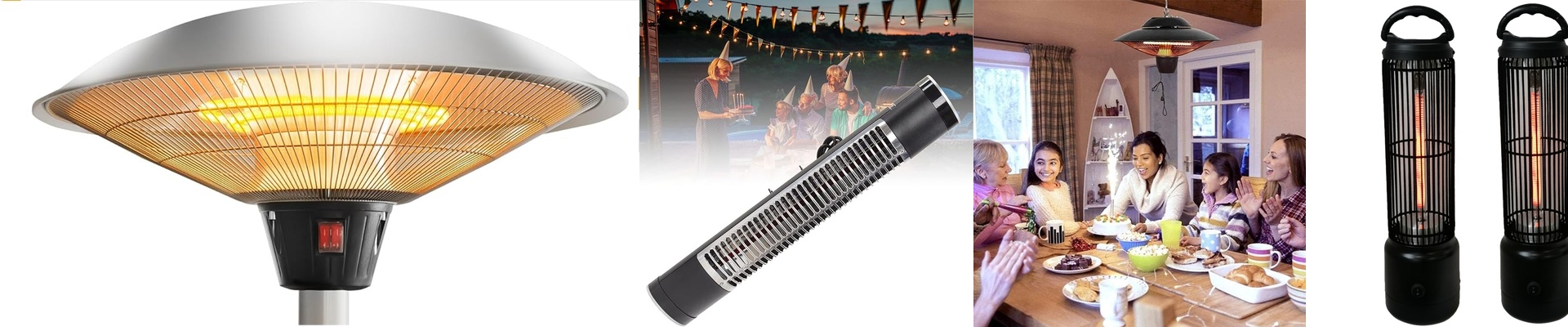
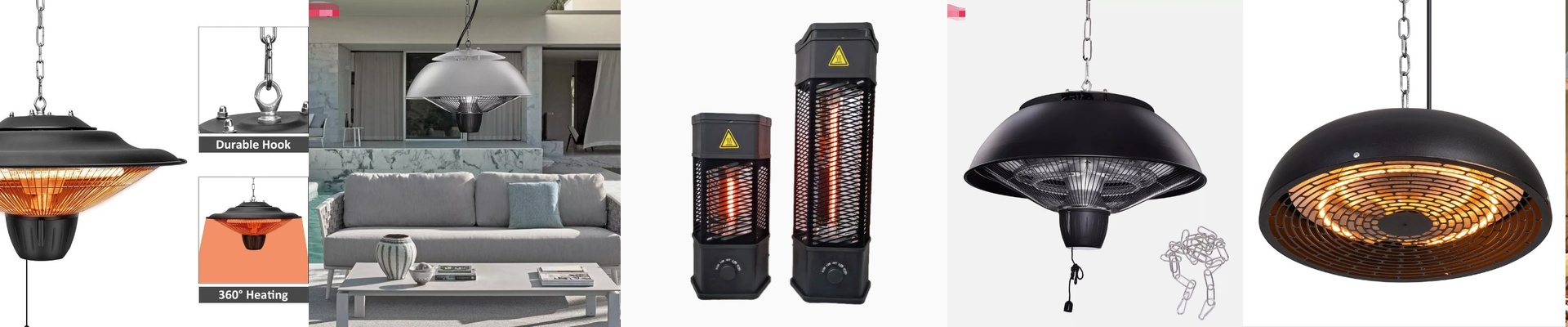
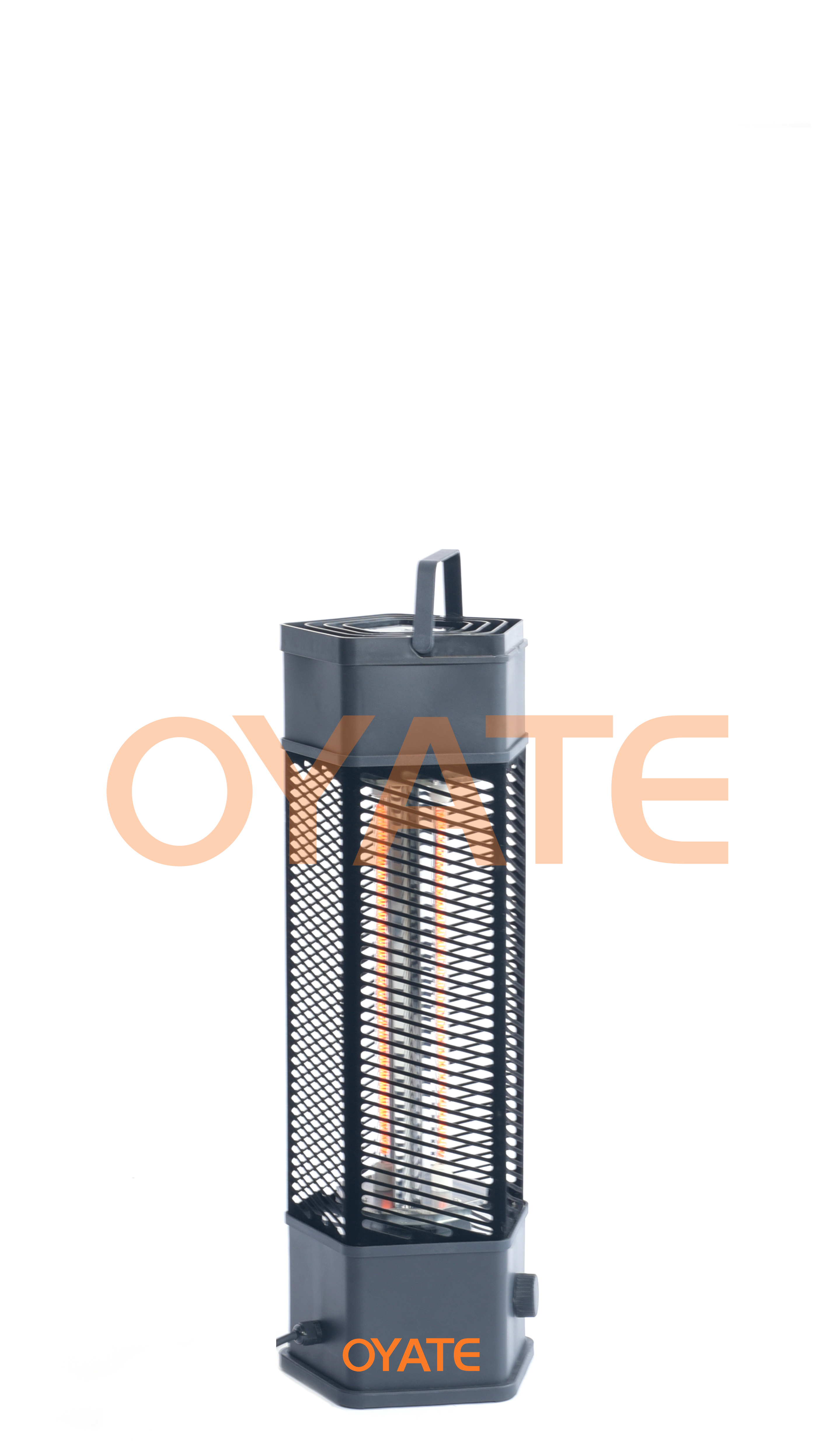
Ten winters back, we were still in the background, building infrared heaters for other brands. Night after night in the shop, we watched quartz tubes glow and timed how fast radiant heat reached people who just wanted to stop shivering. That work drilled one lesson home: warmth in a tent has to be fast, safe, and dependable. Today, we build our own tent heaters with the same approach—now for you.
What matters, technically
We pair a carbon fiber element with a quartz tube to deliver short-wave infrared warmth. You feel the heat directly, within seconds, not the slow, air-churning kind that comes from convection. At 1500W, it’s enough to turn a small tent into a comfortable pocket of heat, and the low setting keeps things steady without overshooting. The built-in thermostat holds your chosen comfort level, and tip-over protection shuts the heater off if it gets nudged. For outdoor use, the IP rating means the core is shielded against rain and snow—so it keeps working when the weather turns.
Why this approach works in a tent
In winter, a tent can feel like a cold box that fights you every step of the way. With this heater, warmth hits almost immediately—hands warm up, shoulders relax, and the air feels less sharp. That matters when you’re swapping layers, pouring a hot drink, or just trying to settle in for the evening. Because infrared heats people and objects directly, you can run the heater without turning the whole volume of air into a wind tunnel. It’s the kind of comfort that makes winter evenings feel doable again.
The practical details
This is an electric tent heater, so you need a stable power source nearby—think a proper outdoor outlet or a generator sized for 1500W loads. Clearance matters: keep it away from tent walls, sleeping bags, and anything flammable, and always set it on a stable, level spot. If you’re using it in a very tight tent, pair it with a small vent to keep condensation from building up. That one habit makes a noticeable difference in comfort and in how the heater holds up over time.