Keeping the Heat, Losing the Glare: Safe Infrared for Your Home
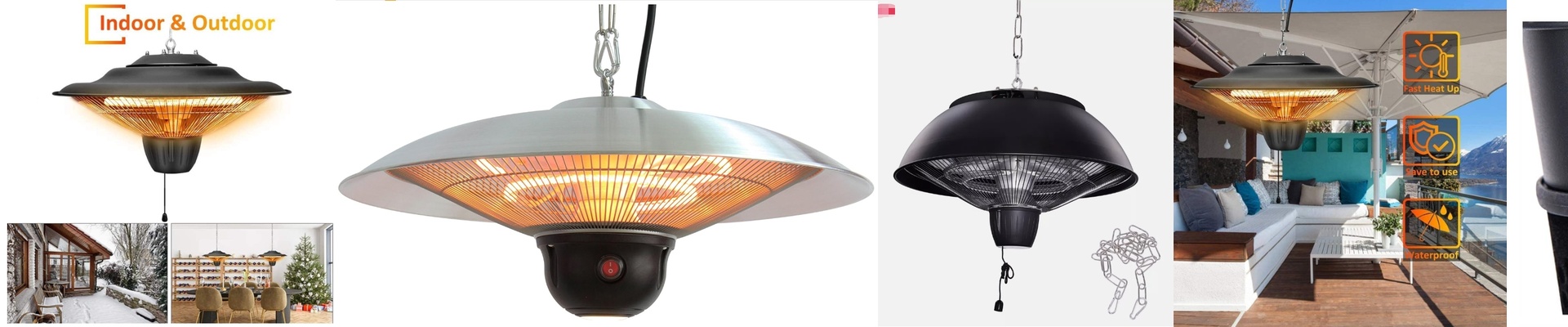
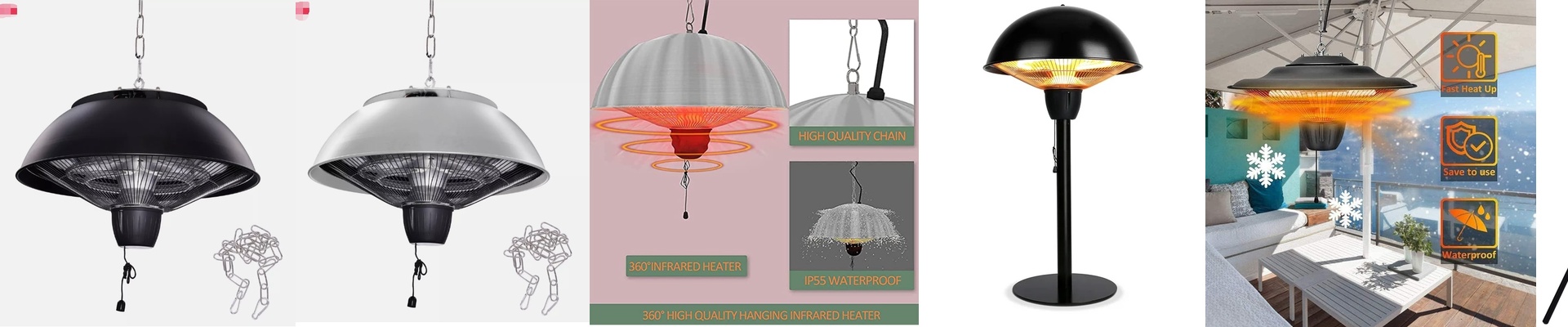
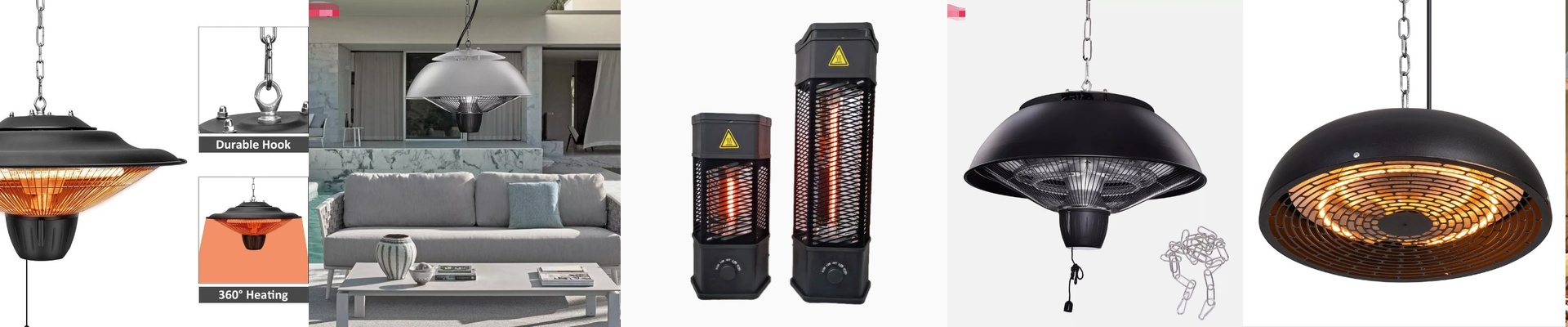
When you’re putting an infrared heater in a bathroom or a nursery, you’ve got a tricky balance to strike. You want it warm—really warm—but you can’t have it blinding people. Standard short-wave lamps are great for industrial shops, but in a home? They’re too much. They blast out this intense visible light and UV radiation that can cause serious eye strain. Now, imagine a newborn baby staring right into that. Not a good scenario. So, we change how the light works. Protecting the eyes We don’t just leave the bulb bare. We use doped quartz glass or special coatings to act as a filter. It basically knocks out those harsh blue-light peaks. Instead of a blinding white flash that hits your optic nerve like a hammer, you get a soft, gentle glow. You still get the warmth on your skin, but your eyes don’t feel like they’re being attacked. The nuts and bolts Inside, there’s a tungsten filament tucked into a quartz envelope. We’ve dialed in the temperature so the heat hits the exact frequency that human skin loves to absorb. It feels like a natural warmth, not that “stinging” sensation you get from cheap heaters. We also rethink the housing. No one should be staring directly at the filament. We use reflectors that scatter the light, which kills those dangerous “hot spots” that could hurt sensitive eyes. A few things to keep in mind Here’s the trade-off: when you filter out the harsh light, you lose a tiny bit of that raw, instant heating speed you’d find in a factory lamp. It’s not a big deal, but you might need to move the unit a bit closer to where you need the heat, or bump up the wattage to get that cozy feeling you’re after. One last tip—if you’re installing this in a tight bathroom, make sure it’s on a circuit with a dedicated thermal cutoff. It’s just a simple way to make sure the housing doesn’t get too hot in a small space. Peace of mind is worth the extra wire.