
Step into a freshly renovated bathroom: clean lines, frameless glass, and a recessed ceiling that calls for heat that’s clean—and quiet. Traditional bulb heaters? Too bright, too harsh, and a poor fit for both the mood and the materials. We see the same need on jobs where the spec calls for IP-rated protection and an install that stays out of sight. When the room is sealed tight and the finishes are upgraded, the heating has to match the build.
What matters, technically
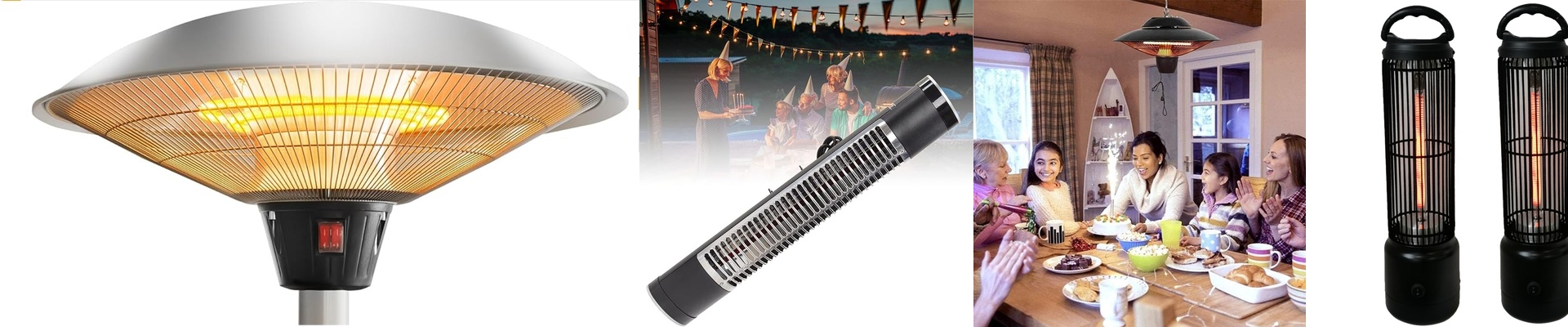
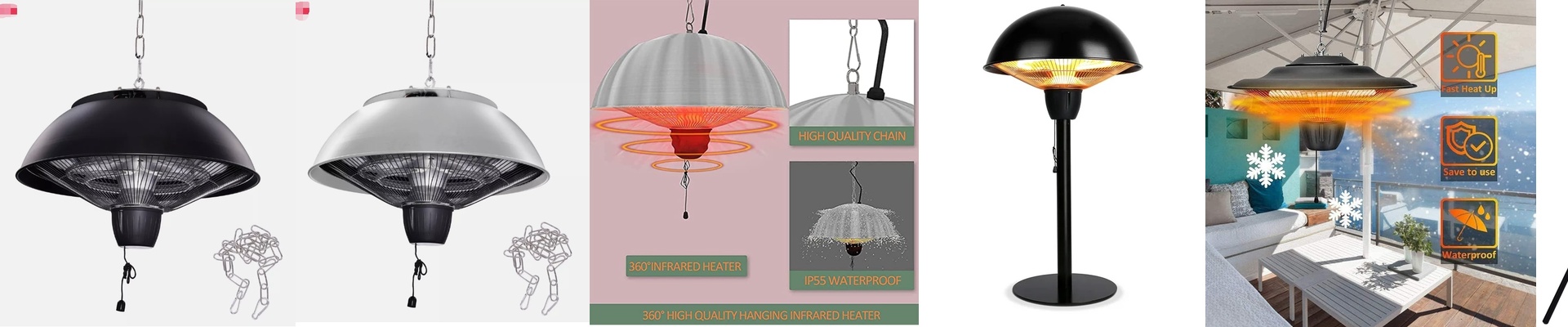
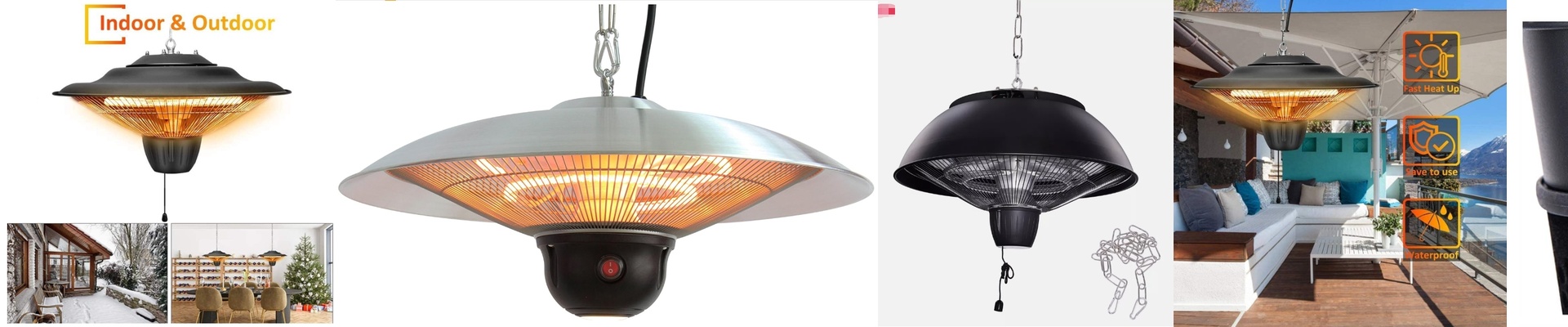
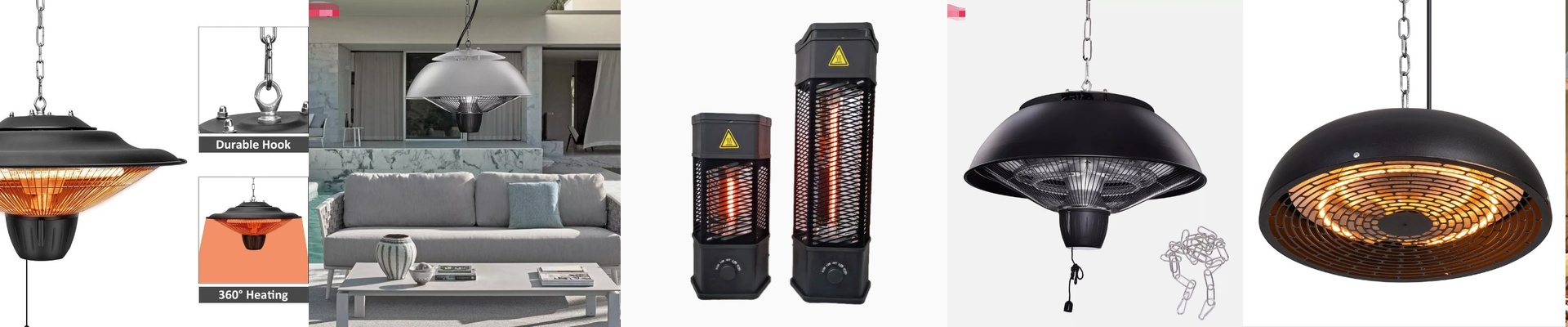
A bathroom tower heater leans on infrared radiant heat, warming people and surfaces directly instead of messing around with the air first. The core is a sealed quartz element that throws directional warmth the moment it’s switched on, housed in an enclosure built to a high waterproof rating. In the field, that means the unit can handle the high-humidity microclimate around showers and tubs without letting moisture creep into the electrical chamber. You get fast response—heat when you need it—and a compact footprint that keeps wall space open for mirrors and cabinets.
Why it fits this application
On a bathroom upgrade, the payoff is comfort you feel right away. Infrared warmth lands on skin and towels, so you step out of the shower into gentle heat instead of that cold-air pocket. Because the heating is local and direct, it can feel more consistent than air-based systems that keep cycling on and off. The sealed construction supports long service life in wet conditions, and the low-glare operation is easier on the eyes when the room is dim. For a modern bathroom, you get heat that stays quiet, respects the design, and keeps the space usable.
The details that make the difference
Placement matters. Mount the heater at a height that directs warmth toward the occupant and keeps it out of direct water streams. These units also need a dedicated circuit and GFCI protection, so check your home’s electrical capacity before you plan the install. **Coverage is the trade-off:**infrared heat warms what it “sees,” so larger or partitioned bathrooms may need more than one unit. Match the IP rating to the zone, and you’ll have a setup that holds up through daily showers and years of use.