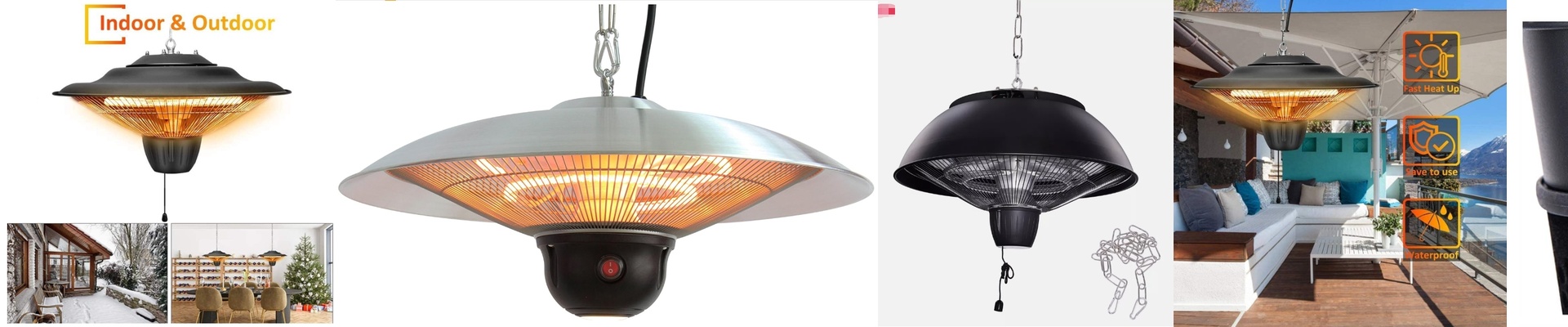
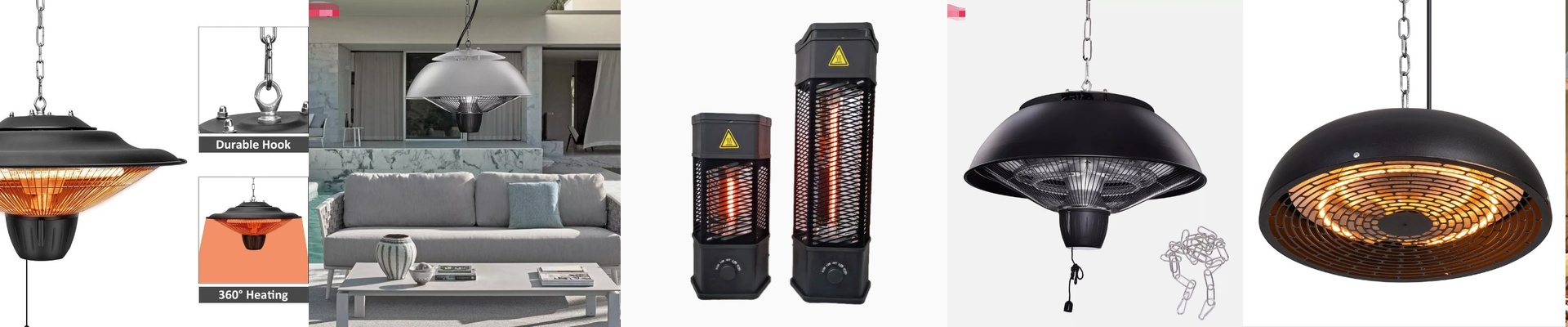
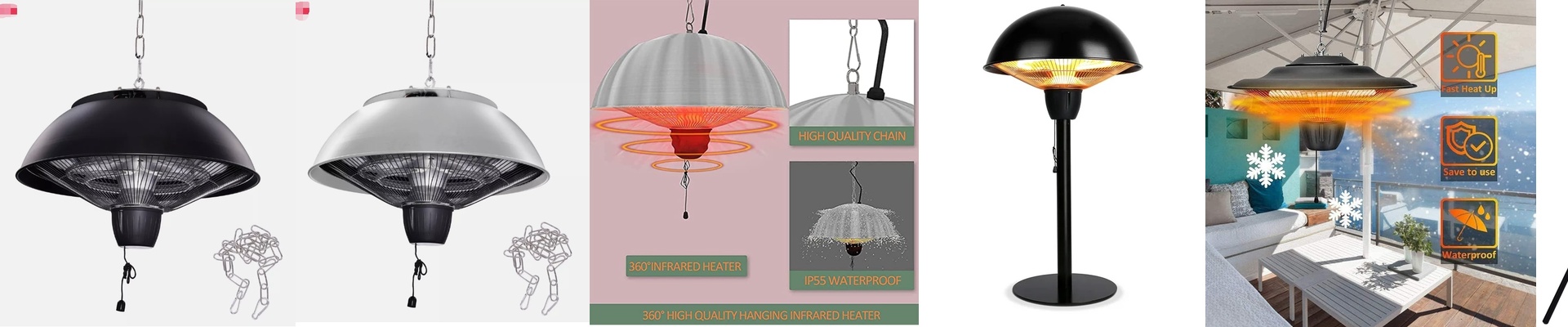
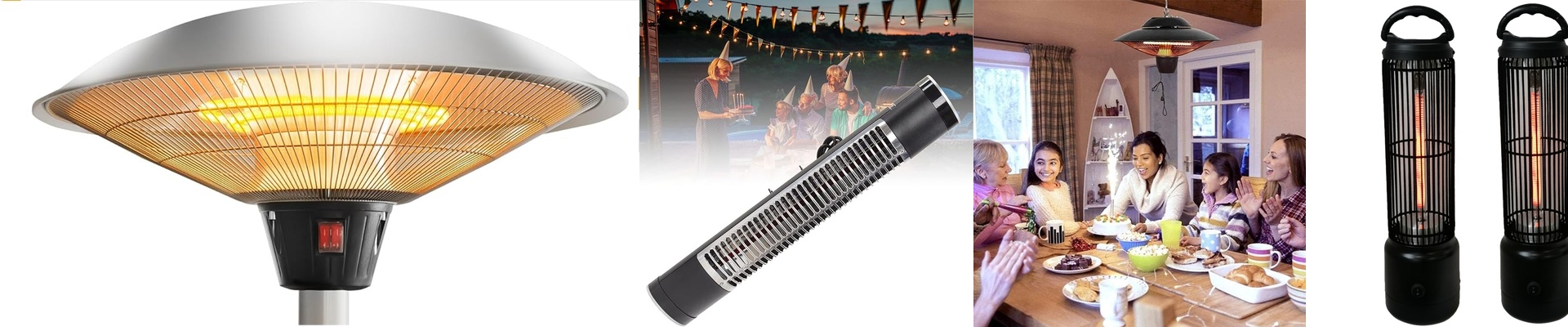
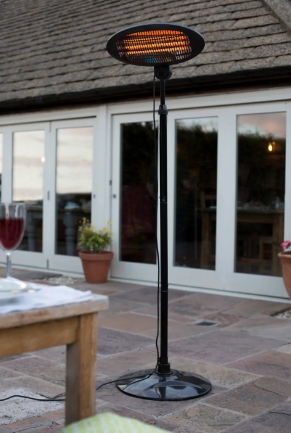
Stepping out of the shower into a bathroom that’s still damp and cold isn’t just uncomfortable. It leaves you tense, rushed, and chilled to the bone. The issue in bathrooms of any size isn’t simply heat—it’s heat that comes fast, stays even, and doesn’t waste energy. That’s why high-power electric infrared heaters are built the way they are: focused warmth, exactly when you need it. What matters under the hood Infrared bathroom heaters work because they radiate warmth directly—hitting people, towels, and surfaces instead of wasting time heating the air. We lean on short-wave infrared elements that pack serious output into a compact housing, so you feel the heat almost instantly. Power matters. A 1500W unit is right for a small powder room (roughly 4–6 m²), while 2000–2500W models handle larger family bathrooms (8–12 m²) without straining the circuit. Match the wattage to room volume and insulation, and you get quick warm-up, steady comfort, and predictable running costs. Bathrooms are small, humid, and used in short bursts—ideal for radiant heat. You get immediate comfort, better air quality because there’s less air movement and dust, and towels dry faster. Energy use stays sensible since the heater runs on demand, not on a long, wasteful cycle. Add a simple wall mount and a thermostat, and you can set the right level and let the unit cycle automatically. The room stays even, not swinging between too hot and too cold. Here are the practical details you need. Infrared heaters are electric, so they require a dedicated outlet or circuit—no daisy-chaining power strips. In damp spaces, pick a model rated for humid environments and keep the heater away from direct water contact. They warm by line-of-sight, so placement matters. Aim the radiant beam toward the shower, the vanity, and the spot where you step out of the tub.