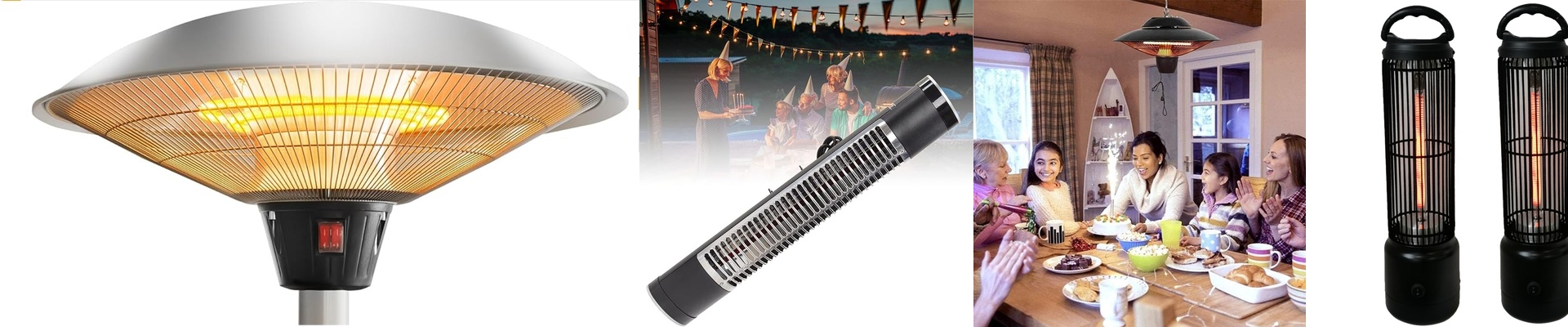
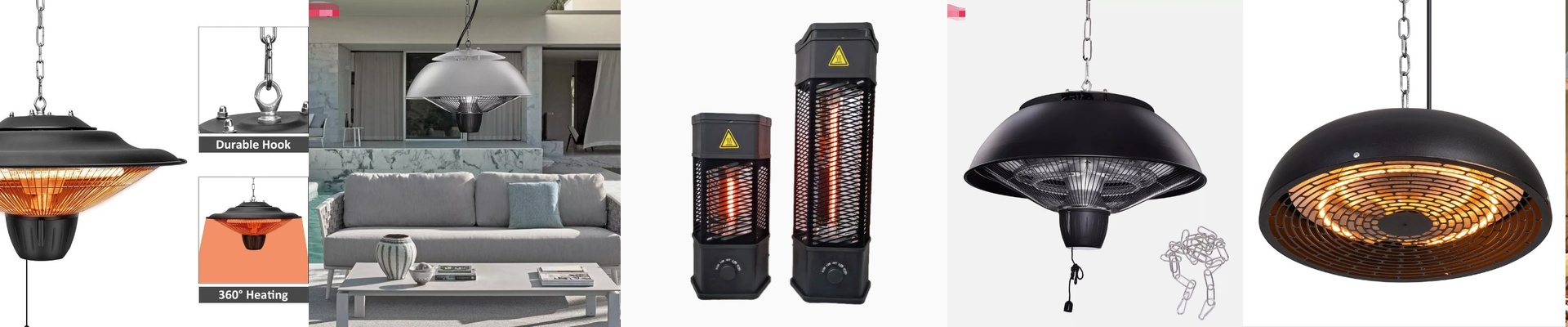

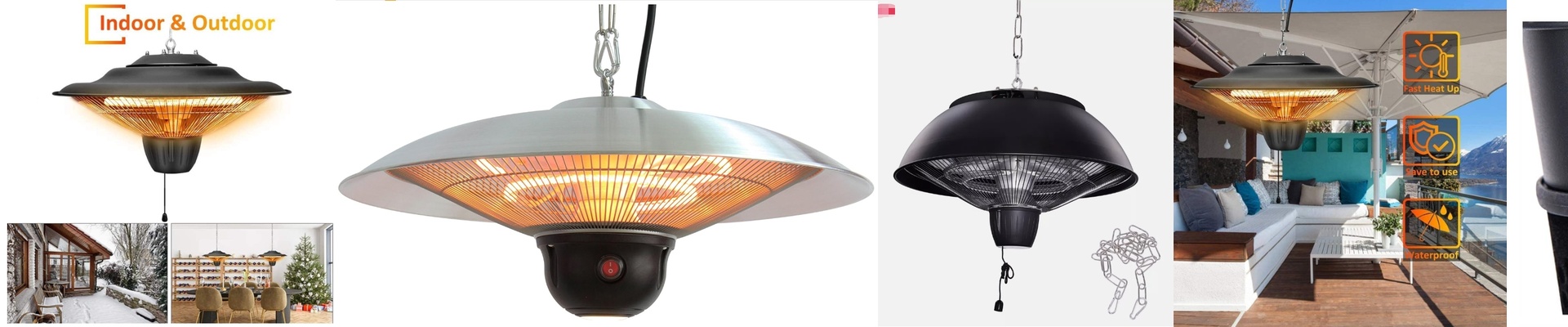
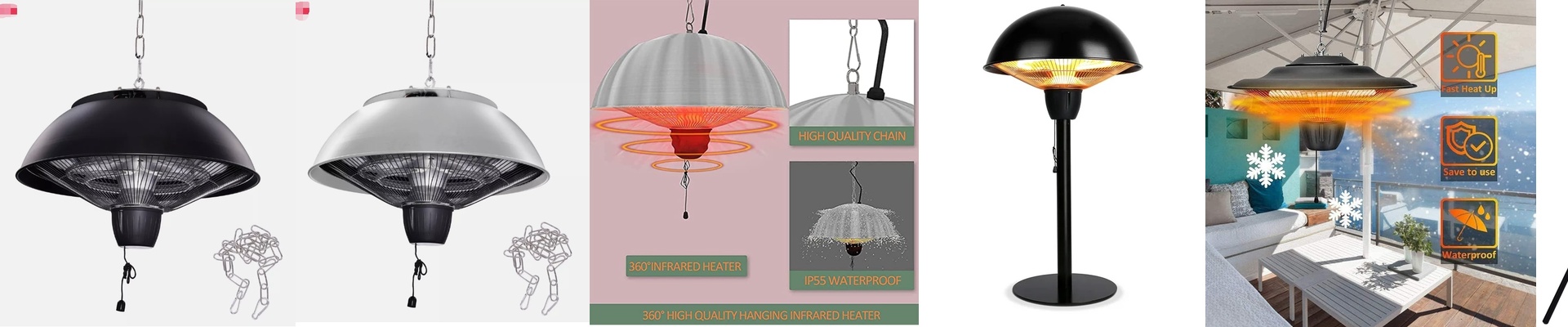
When night settles in and the temperature drops, a greenhouse doesn’t hold heat on its own. Seedlings start to shiver, flower buds stall, and even tough crops slow down. The problem isn’t just the cold—it’s lost time, lost yield, and the nagging worry that comes with watching the thermometer fall. A greenhouse heater turns that uncertainty into steady, reliable protection.
What actually matters under the hood
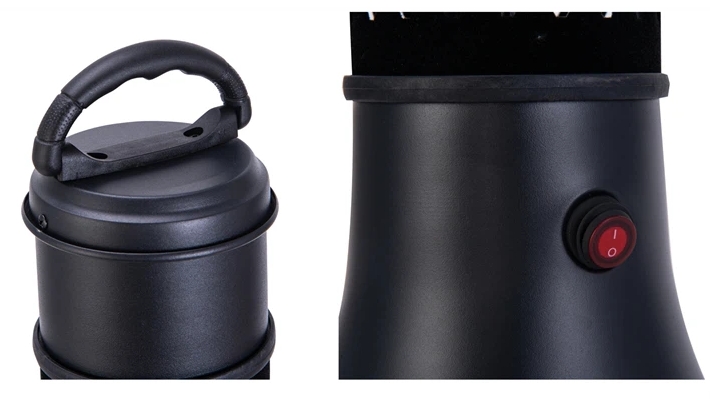
We built this greenhouse heater around infrared radiant heat, using a carbon fiber element inside a sealed quartz tube. Instead of heating air that immediately escapes through vents, it warms plants, benches, and soil directly—think of it like sunlight after dark. That gives you consistent warmth right where it counts: at plant level. Pick the power that matches your space: 1500W for smaller hobby greenhouses, 3000W for larger structures or spots that lose heat fast. It runs off standard 120V outlets, and a simple built-in thermostat keeps the temperature in your target range. For safety, tip-over protection shuts the unit off if it gets bumped, and the housing stays cool to the touch.
Why this approach works in a greenhouse
Greenhouses are constantly in motion—doors opening, fans cycling, moisture rising. Forced-air heat can feel hot up high while the roots stay cool, and every time the door opens, warm air pours right out. Radiant warmth stays focused on the growing zone, so plants keep pushing forward even when the air keeps changing. The payoff is steadier root development, fewer temperature swings, and a longer growing season without blowing up your energy bills.
The details that make the difference
This heater is designed for indoor greenhouse use, and it performs best when you aim it downward to blanket the bench area. It’s not built for exposed outdoor spots—moisture, wind, and direct rain call for a model rated for outdoor conditions. If you’re running tight nighttime targets, you’ll get the best control by pairing it with a separate temperature controller. Set it, trust it, and let the warmth do the work—so your greenhouse keeps producing, even when winter tries to put the brakes on everything.