
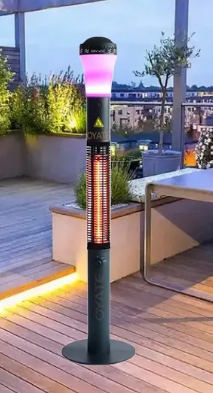
Keeping Your 1500W Infrared Heater Alive in a Gazebo
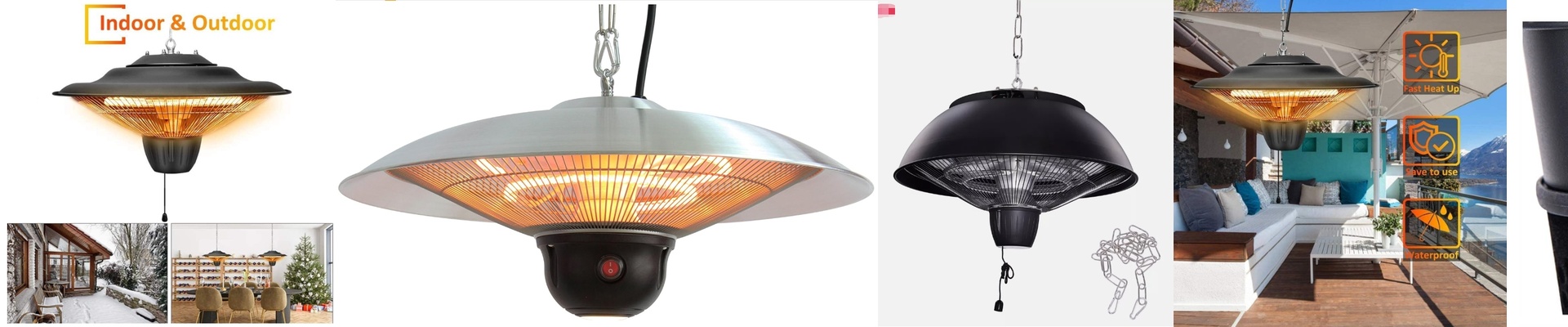
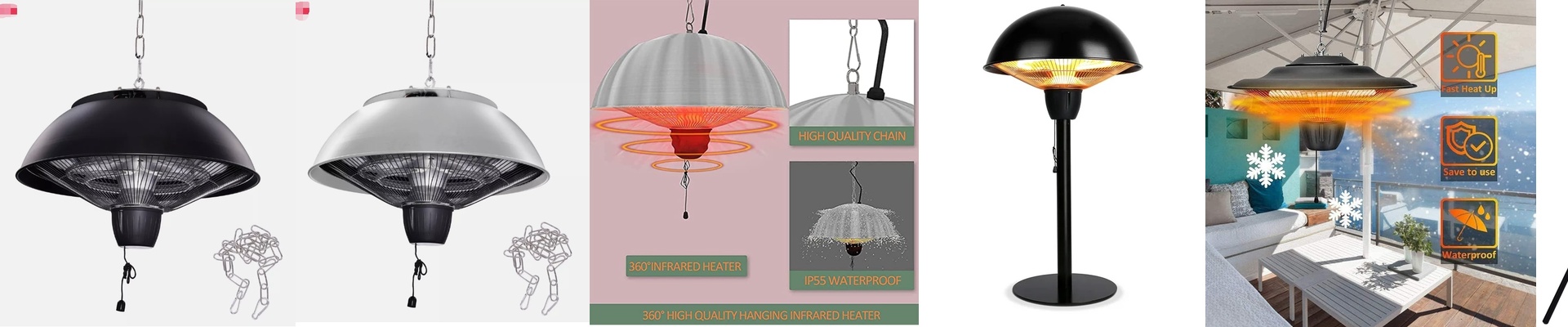
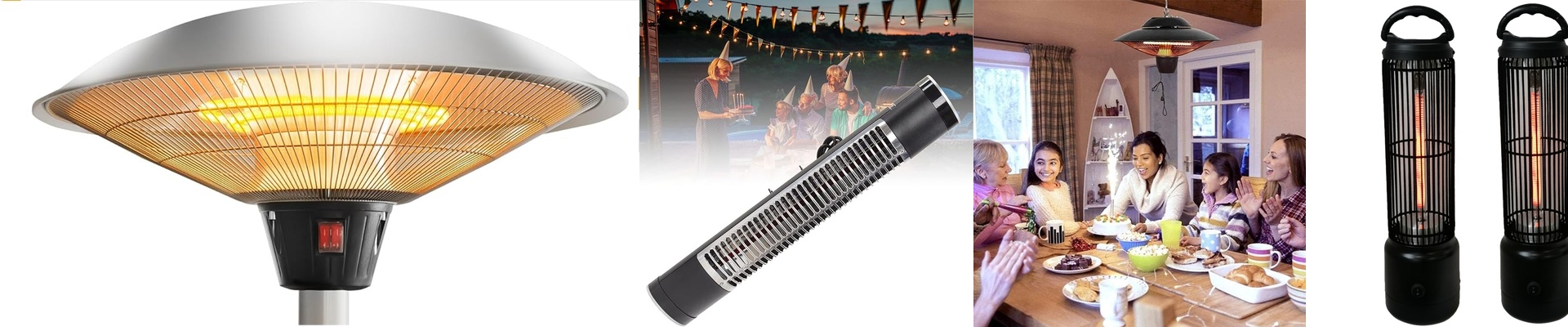
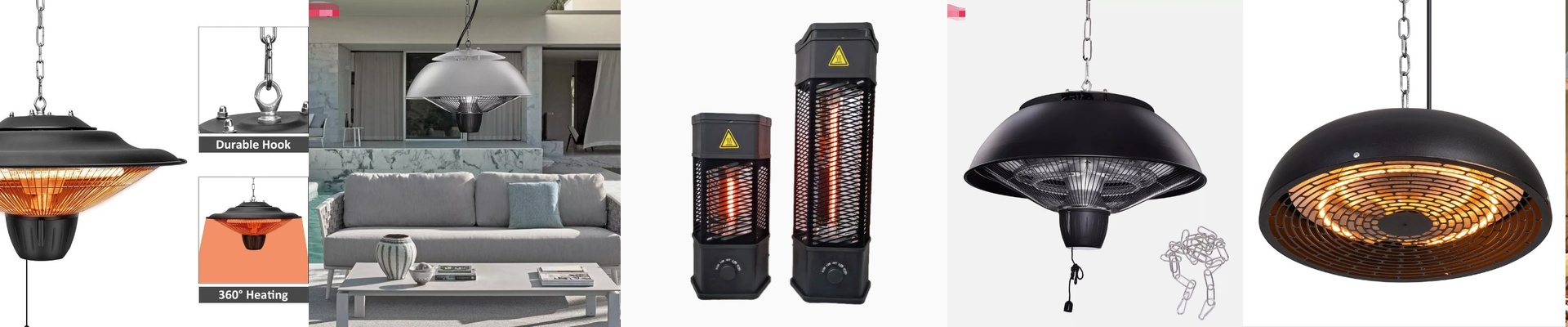
Putting a 1500W infrared heater in a gazebo is a bit of a gamble. You’ve got humidity, weird temperature swings, and the occasional rain shower blowing in sideways. It’s a tough environment for hardware. That’s why we built our ceiling units to take the hit. We wanted something that wouldn’t just burn out the second the weather turned.
Dealing with the Damp
Water and high-wattage heating elements don’t get along. Period. When a heater kicks on and off in a damp gazebo, condensation loves to settle on the quartz tube. If a cold drop of water hits that scorching glass?Crack. To stop that from happening, we used a sealed housing. It keeps the droplets away from the glass so you don’t have to worry about thermal shock ruining your afternoon. And then there’s the wiring. Rain and mist have a way of finding every single gap in a ceiling mount. We added splash-proof gaskets to the electrical junctions to keep the guts of the machine dry. It’s a simple fix, but it’s the difference between a warm patio and a tripped breaker.
Heat, Humidity, and the “Vacuum Effect”
Here’s the thing about 1500W heaters: they put out a lot of heat in a small space. In a semi-open gazebo, this actually creates a vacuum that sucks damp air right toward the unit. If you’ve ever seen a reflector get cloudy or grimy, you know how that kills the heat. We used a special coating on the reflectors to stop that fogging and oxidation. It keeps the infrared rays pointing down at you, instead of scattering off a layer of gunk.
A Quick Reality Check
Now, look—these things are tough, but they aren’t submarines. You still need to wire them into a circuit with a proper GFCI breaker. Safety first. Also, if you live near the ocean, keep an eye on the mounting brackets. The seals are solid, but the outer chassis is still out there facing the salt air. Give them a quick check every season just to make sure corrosion isn’t creeping in.