Stop Letting Your Patio Go Cold This Winter
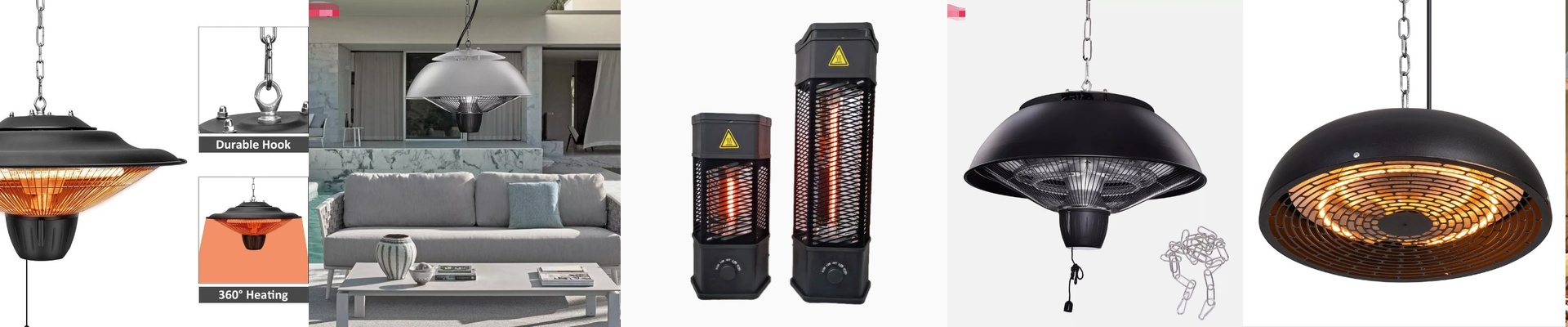
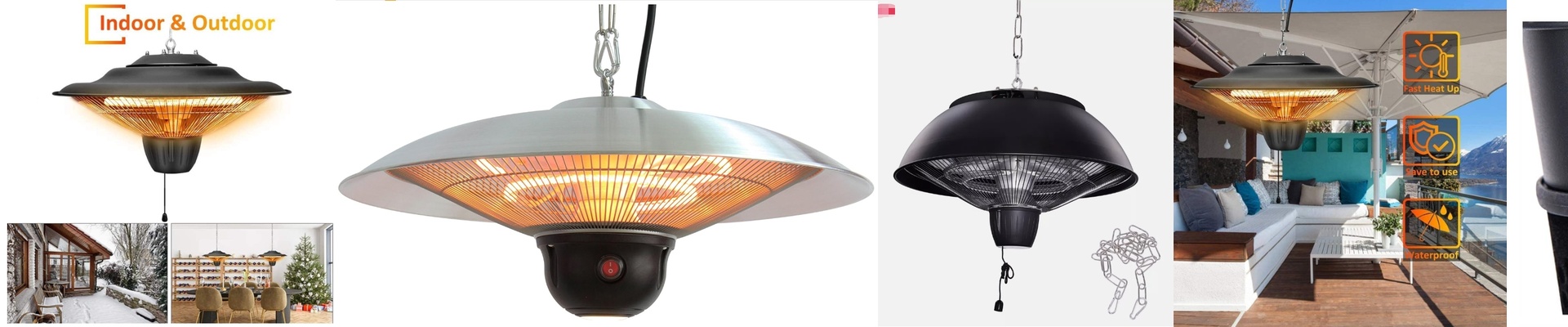
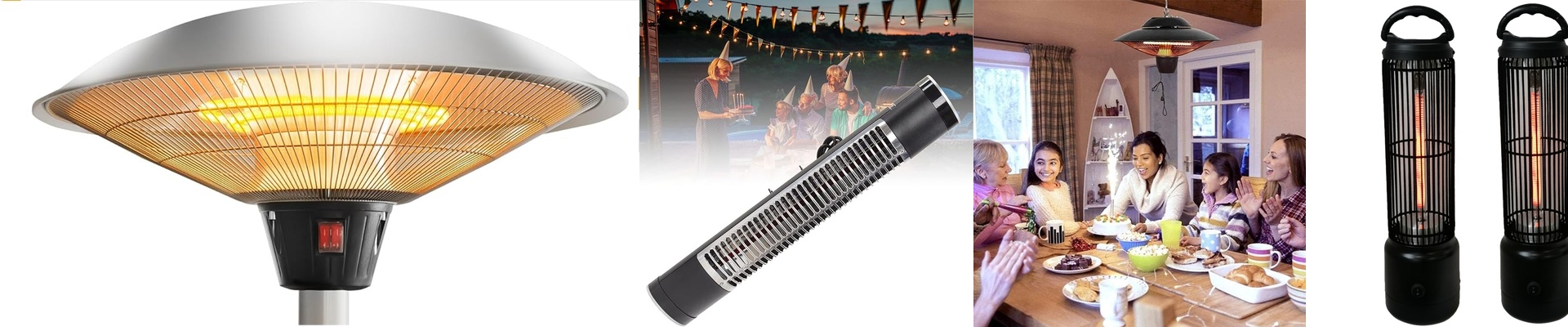
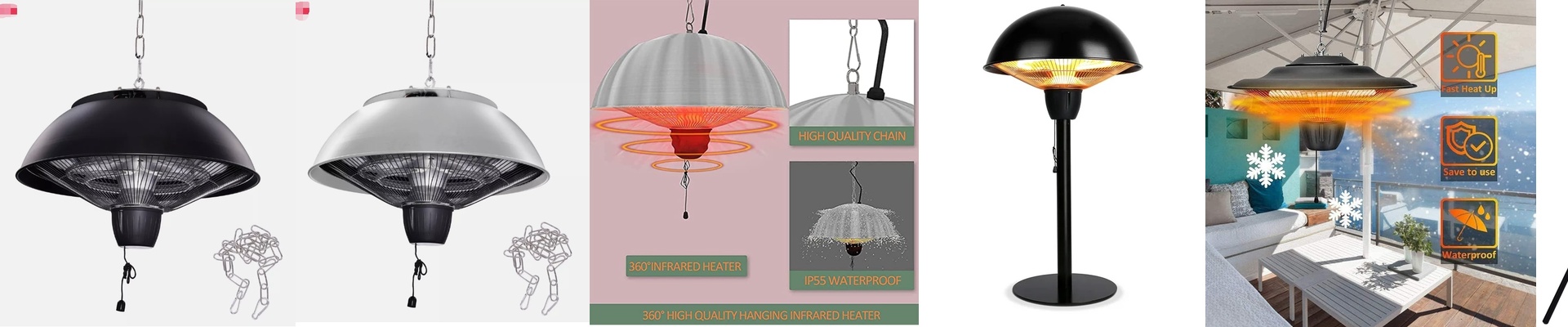
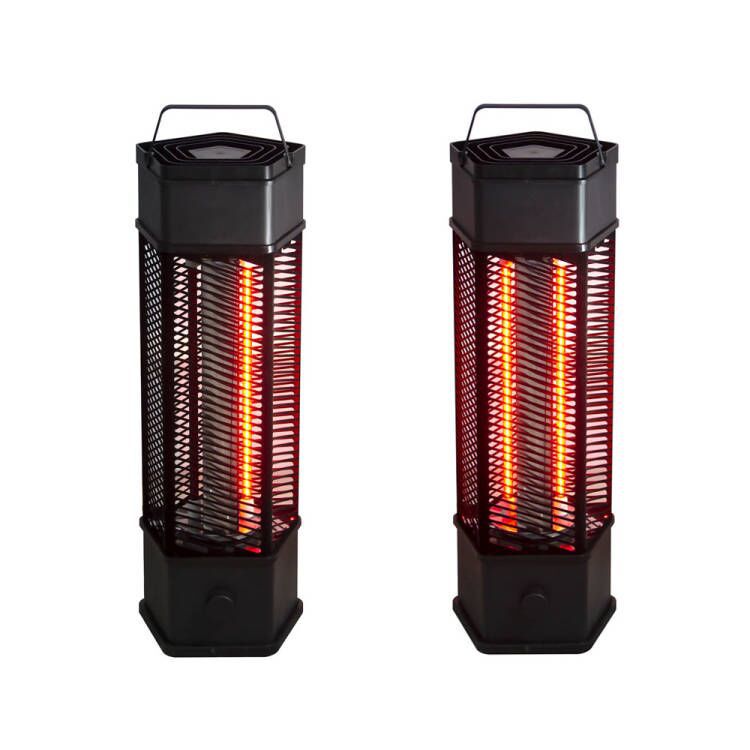
Let’s be honest: most outdoor heaters are a joke when the wind starts picking up. You turn them on, the breeze blows the warm air away, and your guests are still shivering in their coats. It’s a waste of space. That’s why we use shortwave infrared. Instead of trying to heat the air—which is basically impossible outdoors—these units heat people and objects directly. It feels like sitting in the sun on a crisp October day. For you, that means those tables stay full from November through March instead of sitting empty and costing you money.
Getting the Height Right
Here is where a lot of people mess up: the mounting. If you slap a high-wattage heater too close to a low ceiling, you’re going to create a “hot spot.” Your guests will feel like they’re being toasted, and you might actually scorch your ceiling. We usually suggest keeping at least 1.5 to 2 meters between the floor and the heater. But don’t go too high, either. Shortwave heat travels in a straight line. If the heater is hanging way up in the rafters, the warmth disappears before it ever reaches the customer. It’s all about finding that sweet spot where the heat covers the whole table comfortably.
More Warmth, More Orders
It’s simple. When people are freezing, they want to leave. They eat their main course as fast as possible and bolt for the door. But when they’re actually warm? They linger. They stay for that extra round of drinks. They actually look at the dessert menu. By creating these little “warm zones” on your patio, you’re basically adding more usable square footage to your restaurant. More comfort equals a bigger check.
A Quick Warning on Power
Before you go all-in, check your electrical panel. These heaters pull a lot of juice. You can’t just plug them into a regular wall outlet and hope for the best. If you overload your breakers, the whole system will trip right in the middle of a Saturday night rush. Trust me, that’s a nightmare you don’t want. A smart move is to zone your heaters. That way, you only power the sections you’re actually using, which keeps everything running smoothly and saves a bit on the electric bill.