

Keeping Your Infrared Heaters Safe in Wet Spots
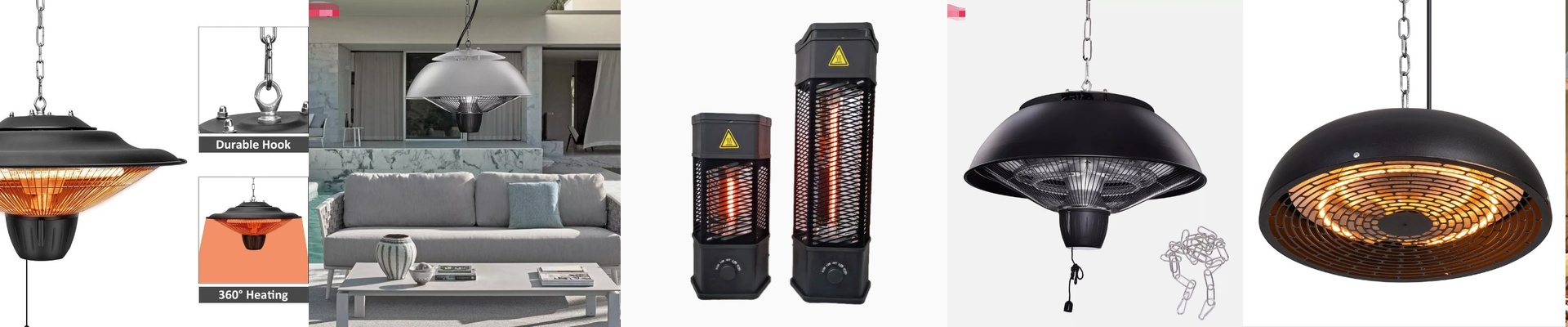
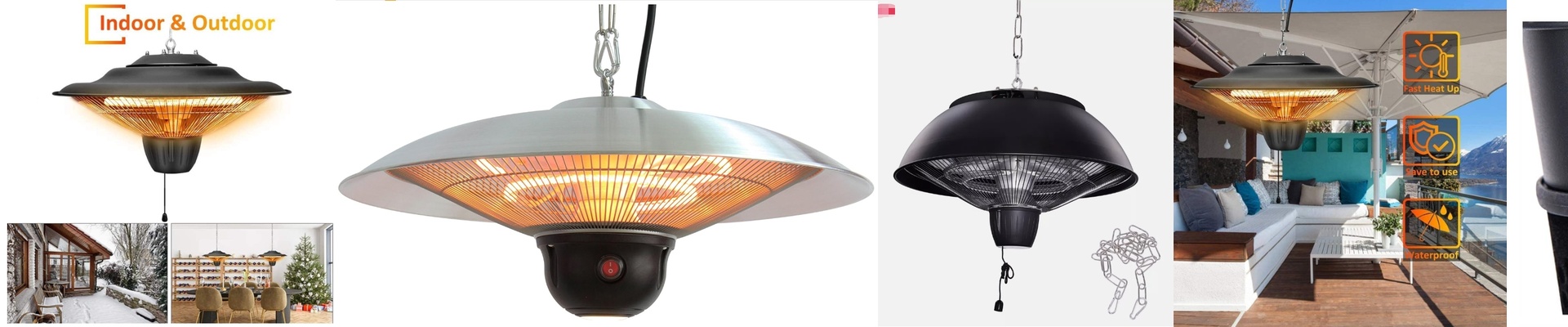
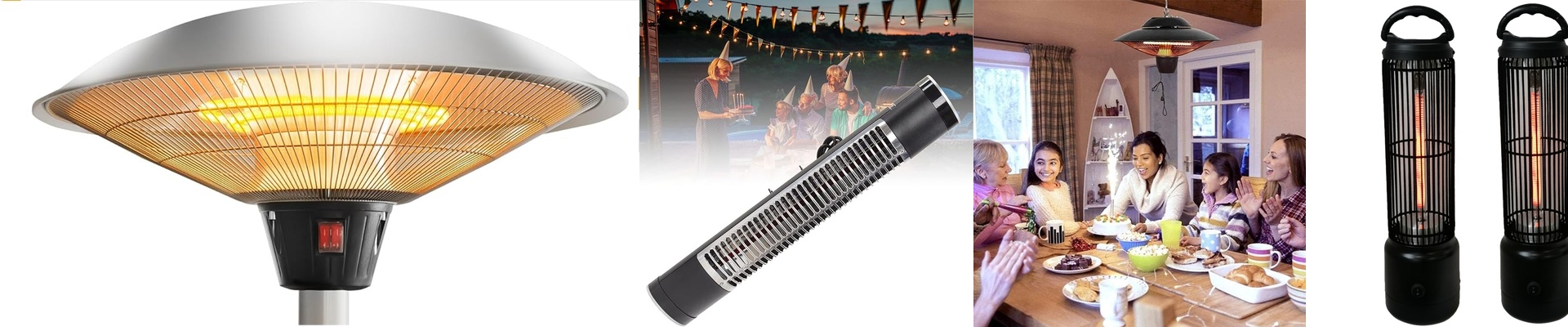
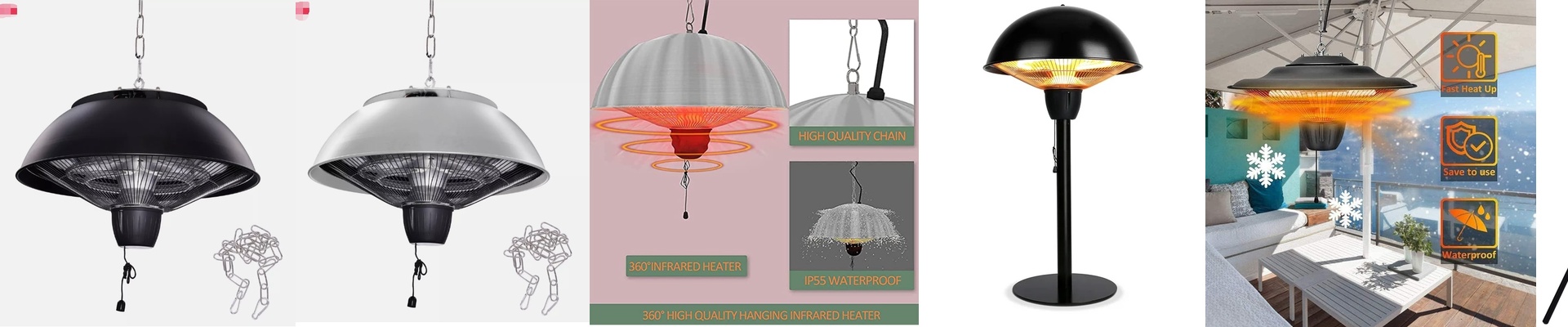
Putting infrared lamps in a bathroom or out in the garden is a great idea until you remember that water and electricity are a nightmare pairing. You’ve got steam, splashes, and that annoying condensation that seems to find its way into everything. To keep things safe, a plastic cover isn’t enough. You have to be obsessed with how the unit is sealed and what the internals are actually made of. Dealing with the damp You’ll see “IP65” thrown around a lot. In plain English, it means the thing is tight enough to keep out dust and handle a decent spray of water. But steam is sneaky. It gets into the tiny gaps that water can’t. That’s why we use high-temp silicone gaskets and reinforced polymer seals. They act like a fortress for your wiring. We also use sealed cable glands at the entry points. If you leave a gap there, it doesn’t matter how good the rest of the box is—moisture will crawl right in, hit a live terminal, and trip your power. The safety layers Seals are great, but you need a backup plan. We use double-insulated cables and ceramic holders for the lamps. Why ceramic? Because it doesn’t warp or degrade when it gets hot and humid. It just stays put. And of course, there’s the grounding. We make sure there’s a direct path to the chassis. If something does go wrong inside, the current hits the breaker immediately. It’s the difference between a flick of a switch and the outer casing becoming electrified. The catch Here’s the tricky part: when you seal a heater this tightly to keep water out, you’re also trapping the heat in. The unit can’t “breathe.” If you cram too much wattage into a small, airtight box, you might actually melt your own wire insulation from the inside out. It’s a balancing act. You have to pick the right heat sinks and make sure the enclosure is big enough for the power you’re pushing. Keep it cool, and your insulation stays intact.