

Keeping Your Bathroom Infrared Heaters from Becoming a Hazard
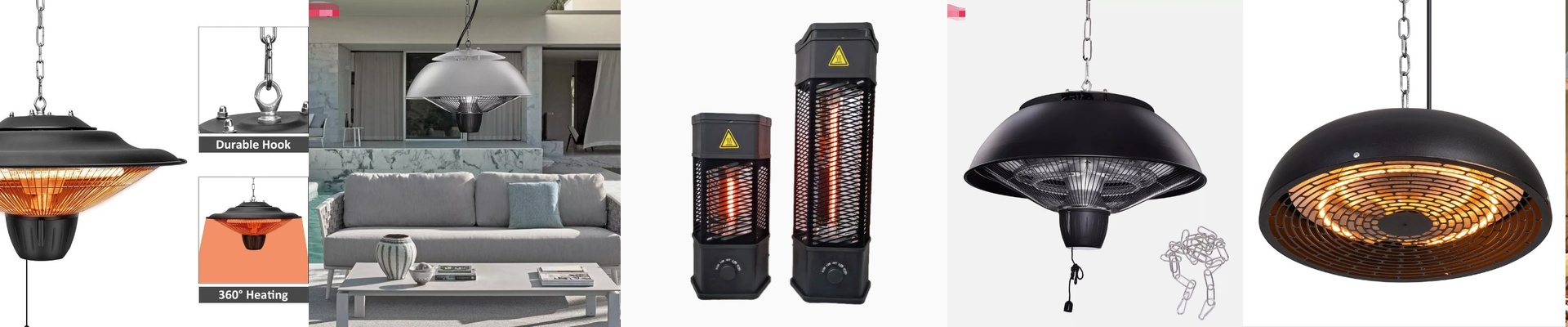
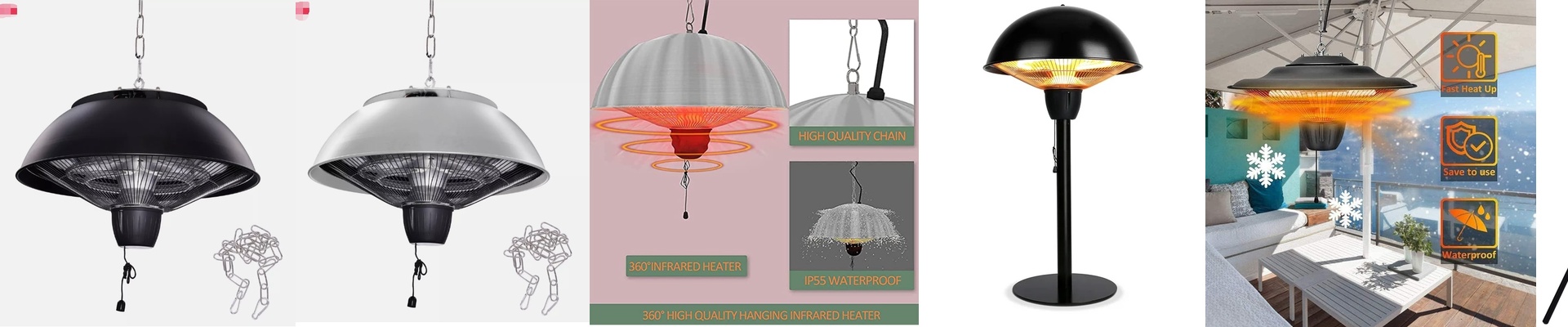
Putting infrared heating lamps in a bathroom is a bit of a balancing act. You’ve got water vapor and direct splashes flying around, which basically turns a standard lamp housing into a conductor. If you want a setup that’s actually safe, you have to obsess over the barrier between the live wires and the outer shell. The battle against moisture We don’t mess around with cheap materials here. We use high-grade alumina ceramics or reinforced quartz sleeves to keep the heating element isolated. Why? Because they don’t crack or fail when things get scorching hot. But the real danger zone is where the wires enter the lamp. That’s where the leak happens. We use silicone potting compounds and IP65 gaskets to shut the door on moisture. If a drop of water hits a live terminal, your circuit trips—or worse. The goal is to seal those connection points so tightly that water never even gets an invitation. Grounding and the “Zap” Factor A plastic shell isn’t enough to keep you safe. We build a dedicated earth ground right into the metal reflector housing. This gives any stray current a quick, easy path to the ground instead of through you. We keep the leakage current way down—under 0.75mA. To make sure it actually works, we hit every single unit with a high-pot tester at 1.5kV. It’s basically a stress test to ensure the insulation doesn’t punch through when there’s a power surge. The tricky part: Heat vs. Sealing Here’s the thing: tight seals are great for safety, but they’re a nightmare for heat. When you wrap a lamp in waterproof gaskets and heavy insulation, you’re essentially trapping heat around the wiring. If you use standard PVC wire, it’ll get brittle and melt within a few hundred hours. It’s a disaster waiting to happen. That’s why we use PTFE or fiberglass-braided wiring. They can handle the “heat soak” without breaking down. It’s all about finding that sweet spot—keeping the water out while giving the electronics enough room to breathe.