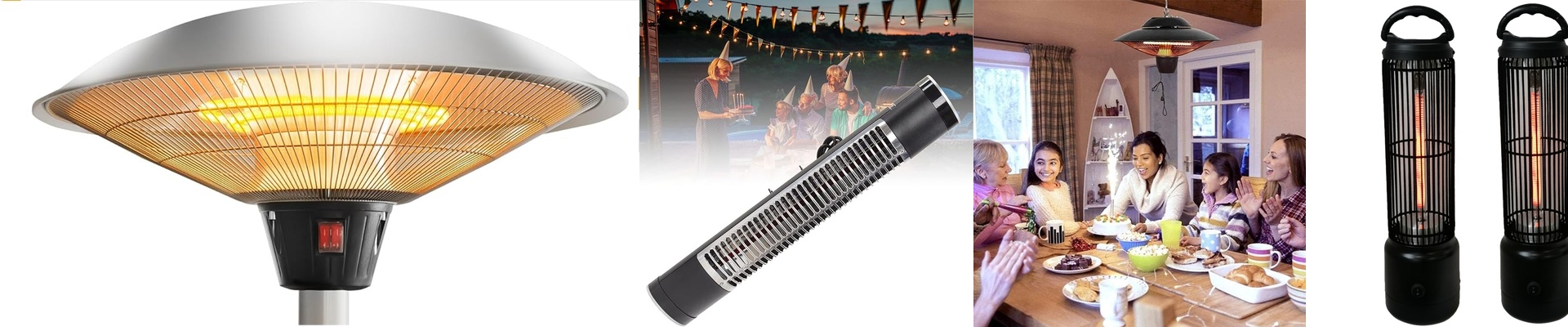
Why we use IR curing for lead-free sensors
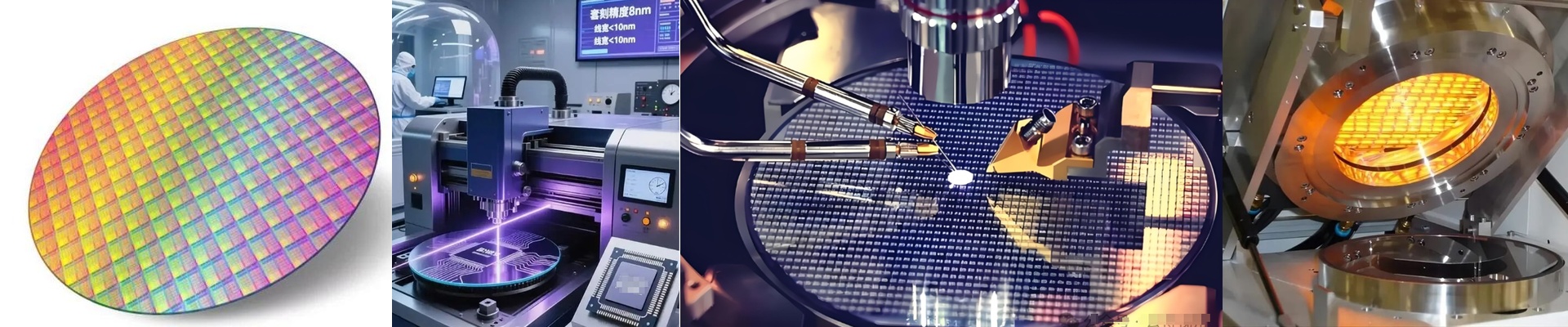
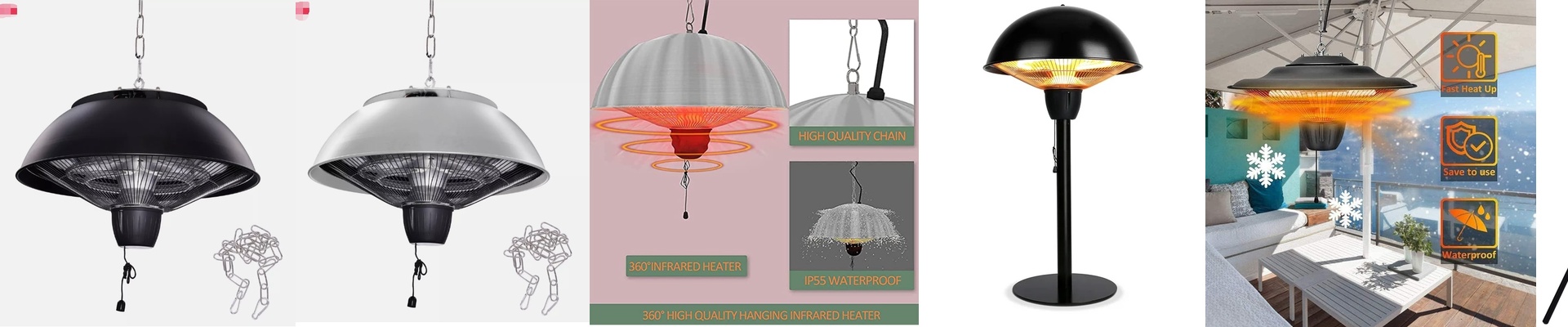
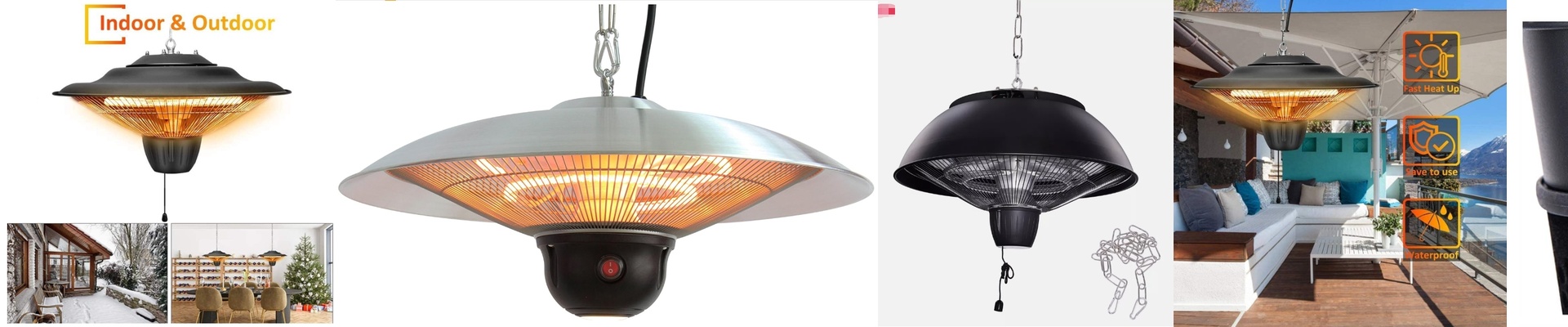
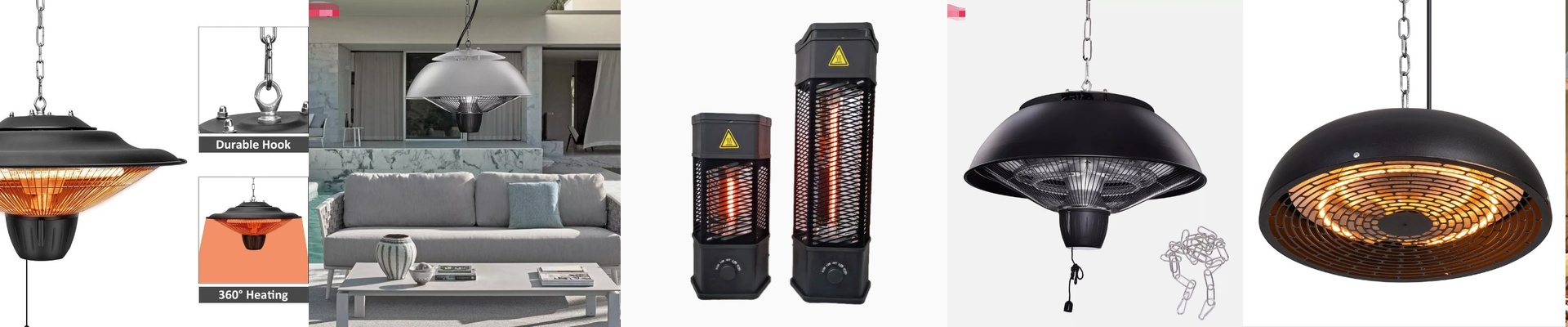
Making hydrogen sensors is a bit of a balancing act. You need heat, but you need it to be exactly right. That’s why we went with infrared (IR) curing. It hits all those “lead-free” and “eco-friendly” marks the semiconductor world demands these days, but more importantly, it actually works without fighting you. Think about a standard convection oven. You’re basically heating up a giant metal box and all the air inside it just to get a tiny part warm. It’s a waste. IR is different. It ignores the air and goes straight for the substrate.
Getting the heat where it belongs
Here is how it works: IR sends out radiation that the curing agent just absorbs. We’re targeting the chemical bonds in the adhesive or resist, not the room. It’s a lot more efficient. You aren’t burning kilowatts just to keep a steel shell hot. Plus, you don’t have to wait forever for the oven to warm up. It’s fast. Really fast. And that precision matters. Lead-free materials are finicky. They have a very narrow temperature window, and if you overshoot it, you’ll warp the sensor housing. With IR, we can tweak the heat flux. Need to cure just the surface? Use shortwave. Need to get deep into the layers? Switch to medium-wave. It gives us a level of control you just can’t get with a blast of hot air.
A cleaner way to work
Traditional drying is a mess. You’ve got forced air and heavy filters trying to keep lead or chemical dust from floating around the shop. IR is just… clean. No combustion by-products. No fans pushing VOCs around the room. And the energy bill? Much lower. IR lamps hit their operating temp in seconds. You don’t have to leave a furnace idling for four hours just to keep things steady.
The catch (because there’s always one)
Now, fast curing isn’t a free lunch. If you aren’t careful, you can run into “skinning.” That’s when the top layer cures so quickly it traps solvents underneath. It’s a pain. You have to be obsessive about your conveyor speed and lamp intensity. If the line moves too slowly, you’ll literally burn the edges of the sensor. You also need a cooling zone that actually works—something to snap the temperature back down before the parts move to the next stage. It takes a bit of tuning, but once you nail it, everything just flows.