Why you should ditch the old lamp warmers for high-IP infrared heaters
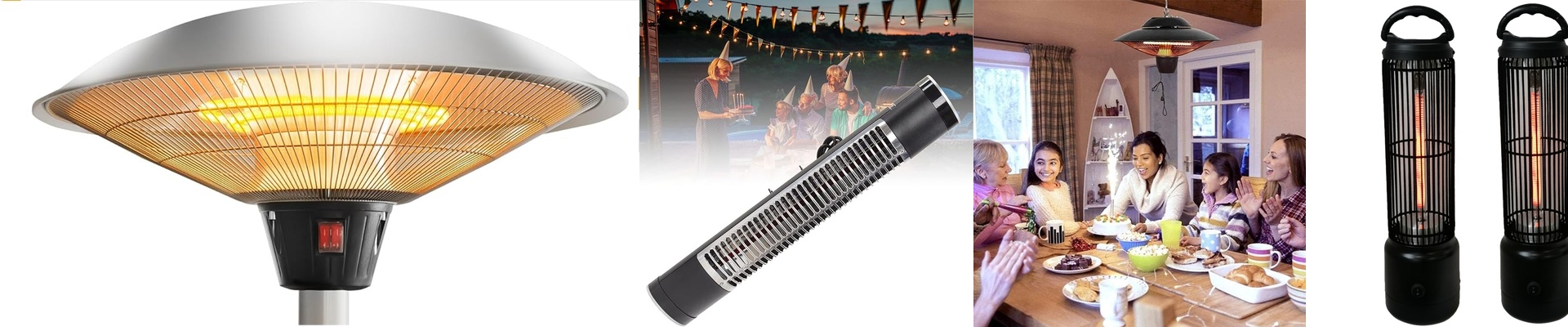
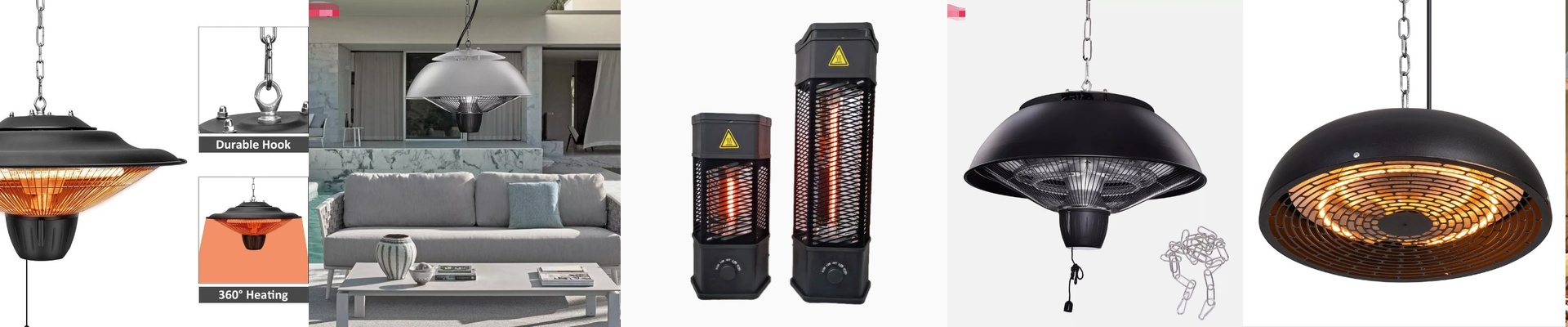
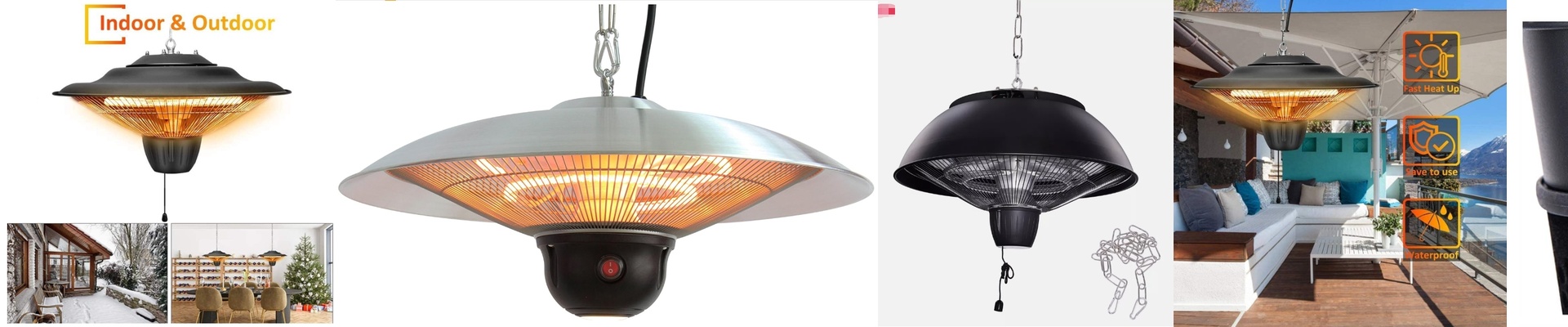
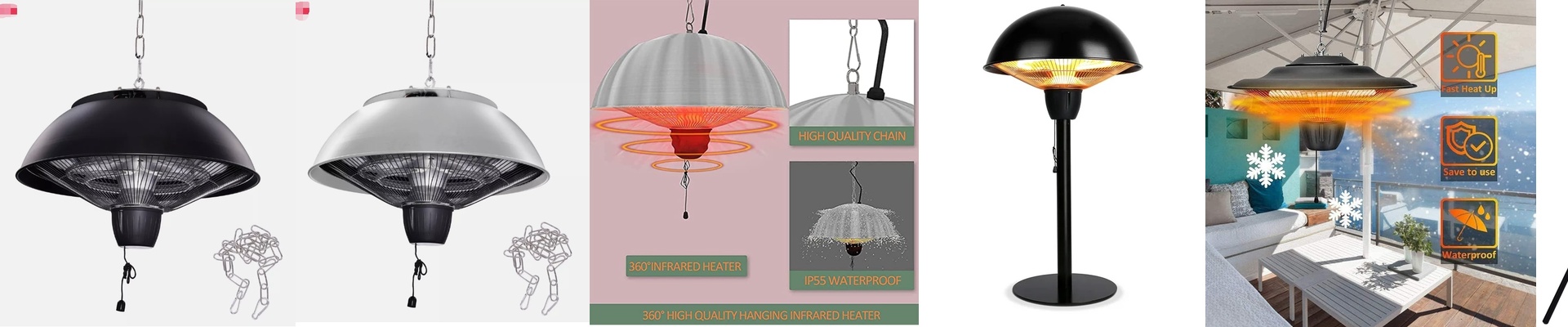
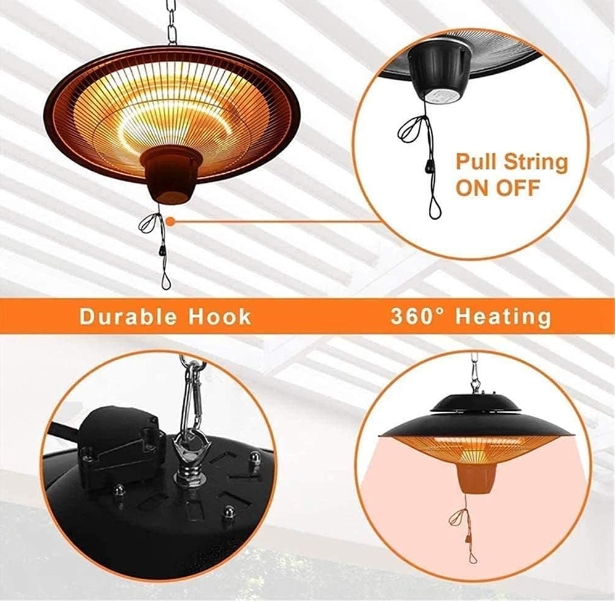
Let’s be honest about those old halogen lamp warmers. They’re basically giant, blinding lightbulbs that happen to get hot. And if you’re using them in a bathroom? They’re a nightmare. Between the steam and the occasional splash, those things just aren’t built for wet rooms. Usually, they end up frying their own circuits or just burning out way too soon. That’s why everyone is switching to high-IP waterproof infrared heaters. They actually handle the moisture without throwing a tantrum. The deal with waterproofing Steam is the silent killer here. In a bathroom, moisture finds its way into every little crack. With a cheap heater, that water seeps right into the housing and—pop—you’ve just tripped the breaker while you’re mid-shower. The high-IP rated stuff is different. It uses sealed gaskets and special coatings to keep the guts of the machine bone-dry. It’s the difference between a screen door and a submarine. You get the heat you want without the constant fear of an electrical short. Heat you can feel, not just see Those old halogen lamps rely on crazy-intense light to make things warm. It’s like having a miniature sun in your ceiling. It’s blinding. Infrared is a different beast. Instead of trying to heat up all the air in the room (which is a losing battle), it sends waves of heat directly to your skin and the surfaces around you. It feels more natural. We use quartz glass tubes with specific coatings to dial in that heat. The result? You get all the warmth, but none of that “I can’t see my own hand” glare. Getting it installed (and the honest trade-offs) The good news is that these usually just drop right into your old ceiling fixtures. You use the existing wiring, but do me a favor: check your amperage first. Infrared elements can be a bit hungry when they first kick on. If your wiring is too thin, you’ll notice the power dipping. It’s a quick check, but it saves a lot of headaches later. Now, there is one little catch. Because these units are so tightly sealed to keep the water out, they might take a few seconds longer to hit peak temperature than a naked bulb would. But honestly? I’ll take a five-second wait over a heater that corrodes and dies in two years. It’s a trade I’d make every single time.