
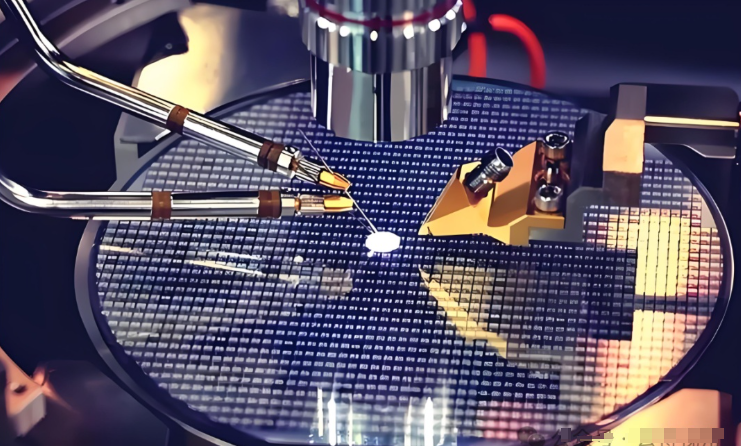
Cutting Carbon in the Fab: Why Vacuum IR Actually Works
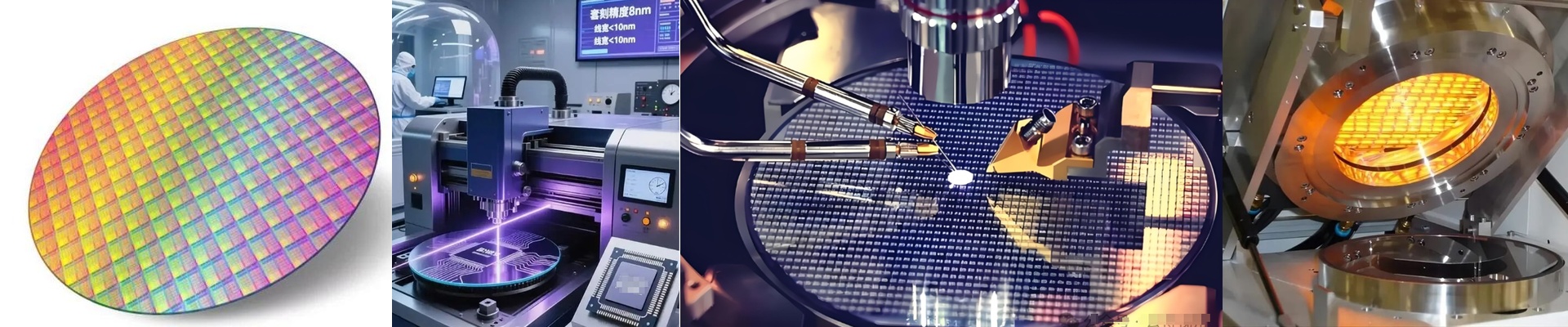
Making semiconductors is a balancing act. You need extreme heat, but you need it in a vacuum so you don’t ruin the wafers. For a long time, we’ve relied on resistive heating, but let’s be honest: it’s slow. It wastes a ton of energy just trying to get up to temperature, and a lot of that power just vanishes into thin air—or rather, into the walls of your machine. That’s where vacuum-compatible infrared (IR) heaters come in. Instead of heating everything in the room, we just aim the heat right at the substrate. It’s a direct hit. The physics part is actually pretty simple. In a vacuum, you can’t rely on convection to move heat around. You’re left with radiation. Our IR systems use short-wave radiation to dump energy into the wafer instantly. You don’t have to spend forever heating up the entire chamber wall just to get your workpiece to the right temperature. Less wasted energy means a smaller carbon footprint for the whole factory. And the speed? It’s a different world. With IR lamps, you can ramp temperatures up and down in seconds. Not minutes. Seconds. This kills that annoying “idle” time where heaters just chug along to keep a baseline temperature. Plus, we tune these lamps to specific wavelengths. We make sure the energy actually absorbs into the silicon or the compound semiconductor, rather than just bouncing off and heating up the chamber shielding. Now, there is a catch. When you’re pushing that much heat density, things get intense. It’s great for getting more wafers through the line, but it puts a lot of pressure on your cooling manifolds. If you go for a high-wattage array to hit those green energy goals, you’ve got to make sure your chilled water loop can actually handle the load at the lamp ends. If the balance is off, your lamps are going to burn out way faster than they should. At the end of the day, building a “Green Factory” isn’t about one magic part. It’s about getting rid of those slow, clunky thermal masses and switching to direct radiation. It just makes the whole fab leaner and a lot less wasteful.