
Getting MEMS Wafers Dry Without the Drama
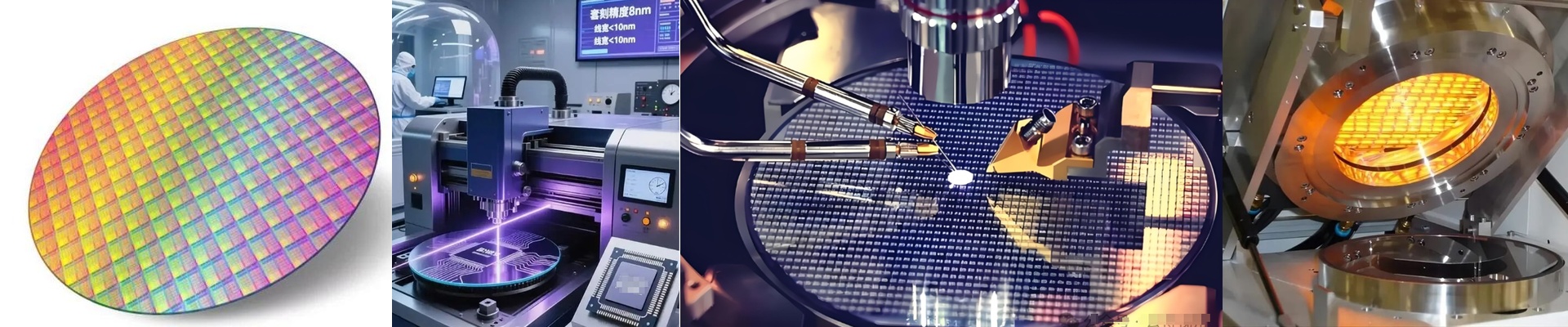
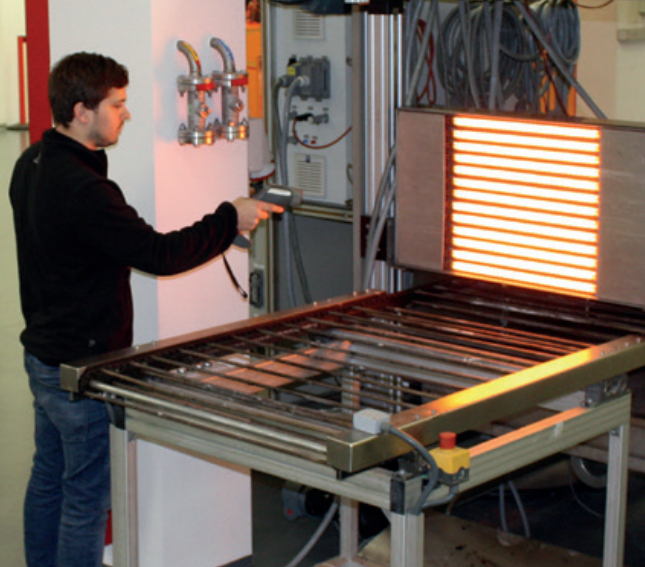
When you’re fabricating MEMS sensors, the last thing you want is a stray drop of moisture or a smudge of solvent ruining your day. But here’s the tricky part: you have to get those wafers bone-dry without stressing the material or letting contaminants sneak in. That’s why we use short-wave infrared (IR) heaters. Instead of trying to heat up the entire room—which is a waste of time and power—IR sends energy straight to the wafer surface. It’s direct. It’s clean. Why it actually works Think about a traditional convection oven. It spends half its energy just heating up the air. It’s inefficient. IR is different. It shoots photons that make water molecules vibrate, which kicks off a really fast evaporation process. Because the heat is so targeted, the equipment doesn’t have to be massive. Plus, with the industry moving away from VOCs and energy hogs, IR just makes sense. You don’t need chemical catalysts or those giant airflow systems that always seem to leak particles where they don’t belong. The balancing act Now, it’s not just about cranking up the heat. We have to be careful with the temperature ramps. High-intensity lamps are great for speeding up the cycle, but there’s a catch. If your lamp placement is slightly off or your power control is sloppy, you get “hot spots.” On a 300mm wafer, that’s a recipe for warping or snapping those delicate MEMS structures. To stop that from happening, we pair the heaters with precise PID controllers. We also usually run a vacuum or an inert gas purge so the wafer doesn’t oxidize. It’s all about control. Making it fit your line We built these systems to be simple drop-in replacements for those clunky old thermal ovens. We use quartz envelopes to keep metal ions from migrating onto your wafers. The wiring is snappy, too. The system can flip on and off in milliseconds, which means you don’t have to worry about the wafer overshooting its target temperature and ruining the batch. And when a lamp finally gives out? You don’t have to tear down the whole drying line. Just swap the module and get back to work.