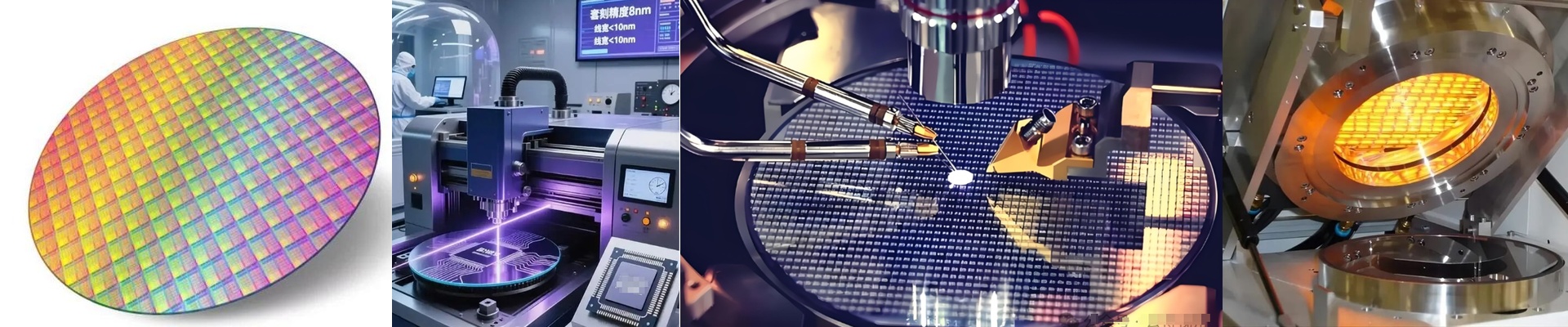
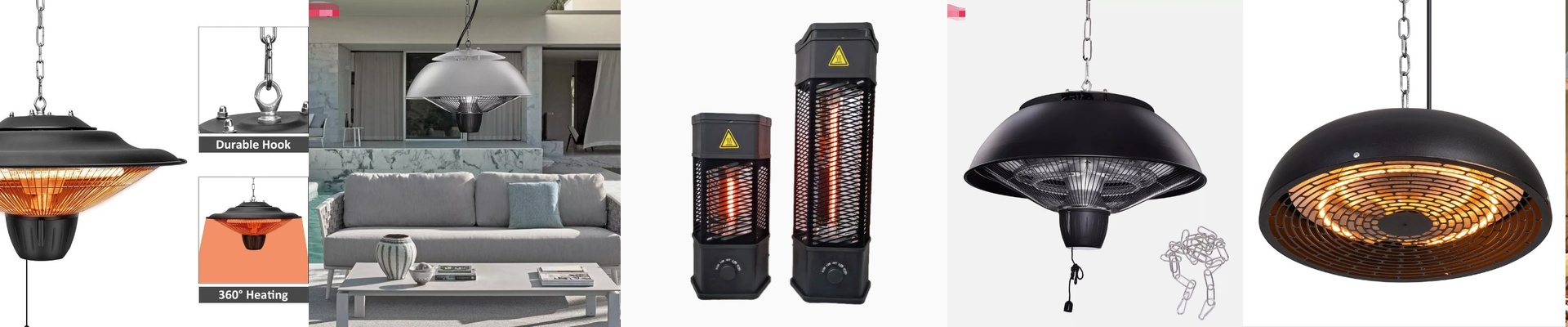
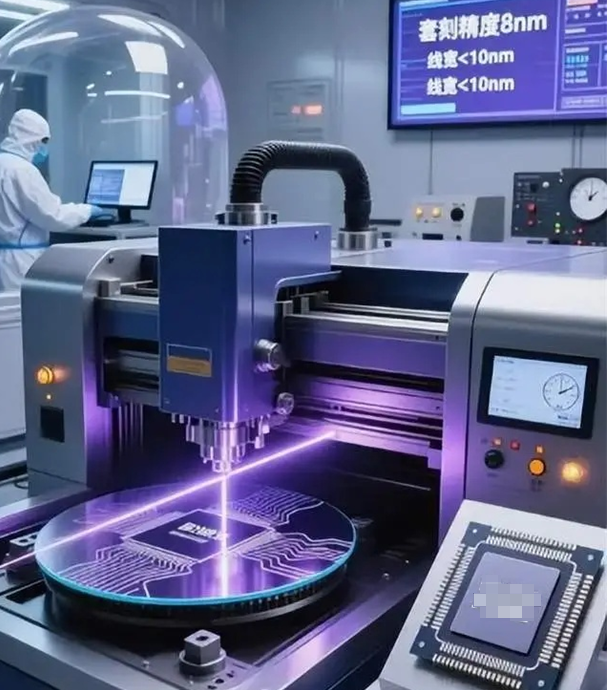
Out on the lithography floor, you know the drill. A half-degree drift across the wafer during photoresist bake is enough to turn a stable process into a yield headache. You hold your soft bake and hard bake specs tight for a reason—temperature uniformity writes the line-width budget, plain and simple. And that control starts right at the IR lamp system. What actually matters under the hood We spec the aluminum reflector for IR lamps to deliver heat that’s repeatable and spatially stable. The geometry is tuned so the illumination profile maps clean to the wafer, hitting ±0.1°C uniformity across the shot. The surface is passivated and sealed so it can live in Class 1–100 cleanrooms without outgassing. Particle generation stays at zero with a bonded, non-shedding reflective layer and a monolithic edge seal. The payoff is stable emissivity, predictable thermal coupling, and bake performance you can count on, shot after shot. Why it holds up in photoresist processing This reflector locks down the thermal budget, which keeps critical dimension control inside tolerance. Tight uniformity cuts down on edge-of-field rejects and helps you shorten qualification cycles. Cleanroom compatibility keeps particle counts low, so you’re protecting the reticle and the wafer. Reliability is built into the materials. The reflector holds output stability over 5,000+ hours, which means fewer surprises on the schedule and less unplanned downtime. Energy use drops, too, because the geometry focuses heat where it’s needed—not onto fixtures or chamber walls. The practical details you need The reflector works with short-wave and medium-wave IR lamps, but you have to match lamp spectral output and chamber geometry to the photoresist thermal profile you’re after. Installation tolerances are tight—alignment and lamp-to-reflector distance directly impact uniformity. Plan for a short thermal soak-in after lamp swaps. Bake repeatability depends on letting the assembly fully stabilize before you run qualification lots.