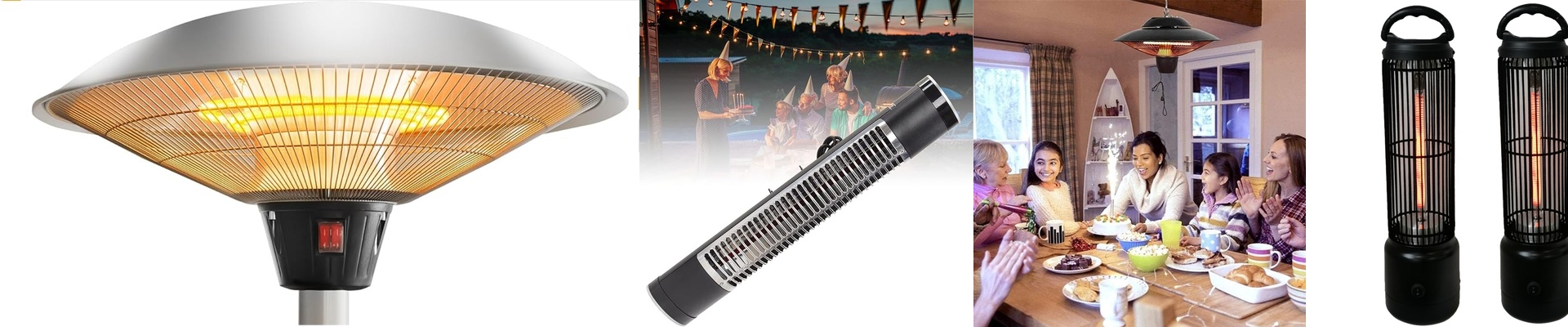
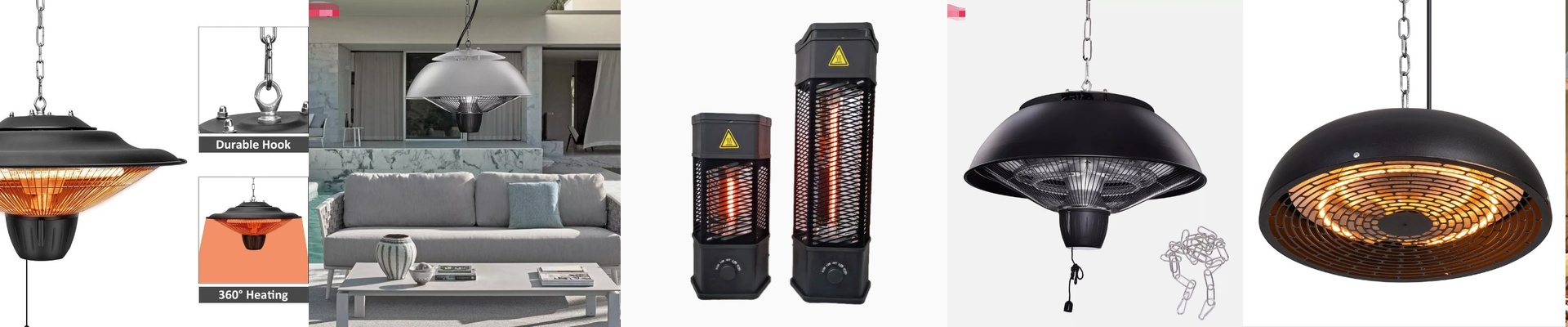
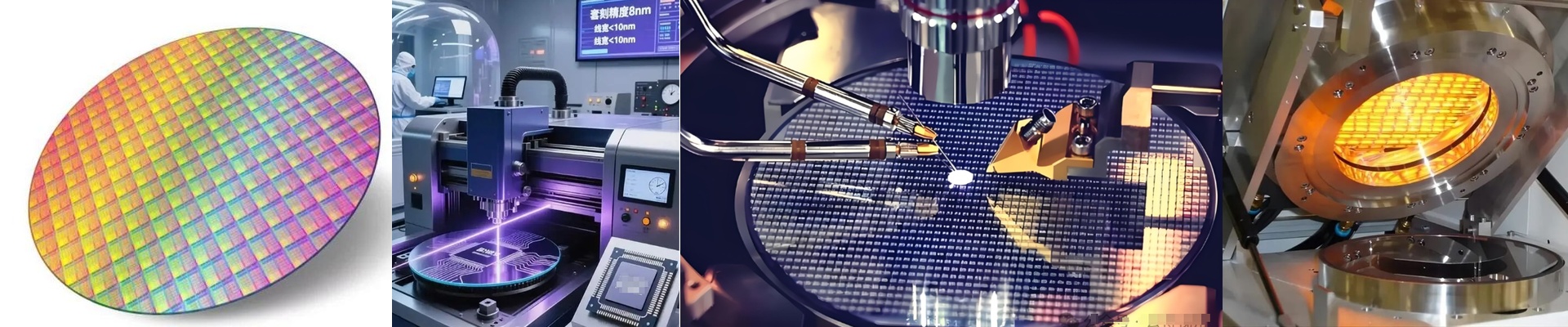
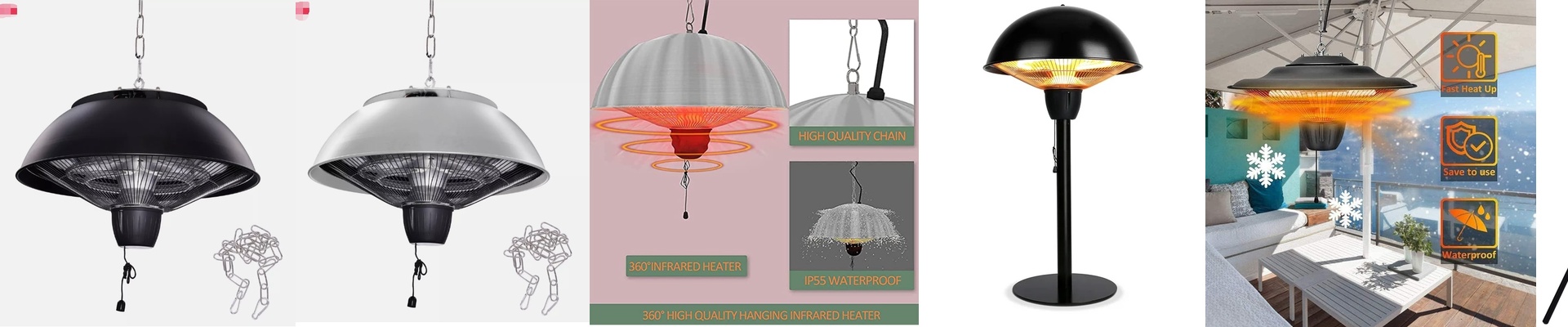
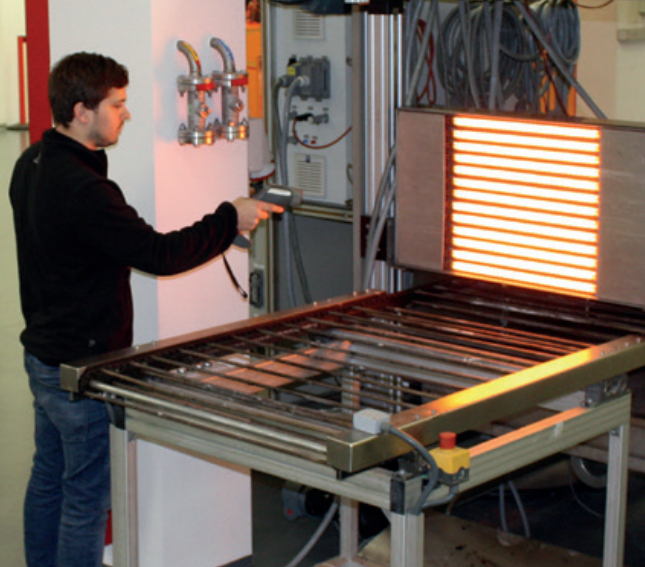
On the fab floor, thermal drift in the photoresist bake isn’t some academic worry—it’s a yield killer. A 0.5°C excursion will shift critical dimensions, and a lamp that keeps hunting for setpoint eats minutes on every lot. We built an SCR power regulator for lamp systems to kill that variability at the source. Here is the thing that matters technically: the regulator is built around phase-angle control with a low-EMI layout. It keeps lamp power stable without dumping noise into adjacent stages. It handles halogen, quartz, short-wave, medium-wave, and carbon-fiber lamp loads, and it holds output to tight tolerances when line and load conditions move around. In practice, that translates to repeatable soft bake and hard bake profiles, with wafer-level uniformity that stays within ±0.1°C across the bake plate. And it plays by cleanroom rules: materials and construction are compatible with Class 1–100, and the design generates zero particles during operation. Why it works in the trenches is simple—this unit gives you process control you can measure. Photoresist bake repeatability improves, so you see fewer excursions that force a strip-and-recoat. Thermal stability shrinks the stabilization window, so each bake cycle finishes faster without giving up margin. Energy use drops, too, because the regulator holds lamp power precisely—no overshoot, no wasteful cycling. The payoff is line-of-sight performance you can count on: fewer unplanned stops, fewer parameter deviations, and wafer-to-wafer results that stay consistent. A few practical notes. The regulator works with most standard lamp fixtures, but matching the lamp’s cold resistance and inrush behavior is essential for stable control. You will need a commissioning step to tune the PID loop for your specific lamp and thermal mass; without that, you can get a little overshoot when the setpoint changes. Plan for proper heat dissipation and keep the unit clear of solvent-heavy exhaust streams. Once it’s aligned, the system runs continuously—5,000+ hours with less than 5% output drift—so your thermal budget stays protected.