

Stop Wasting Heat: Why Gold Reflectors Actually Matter
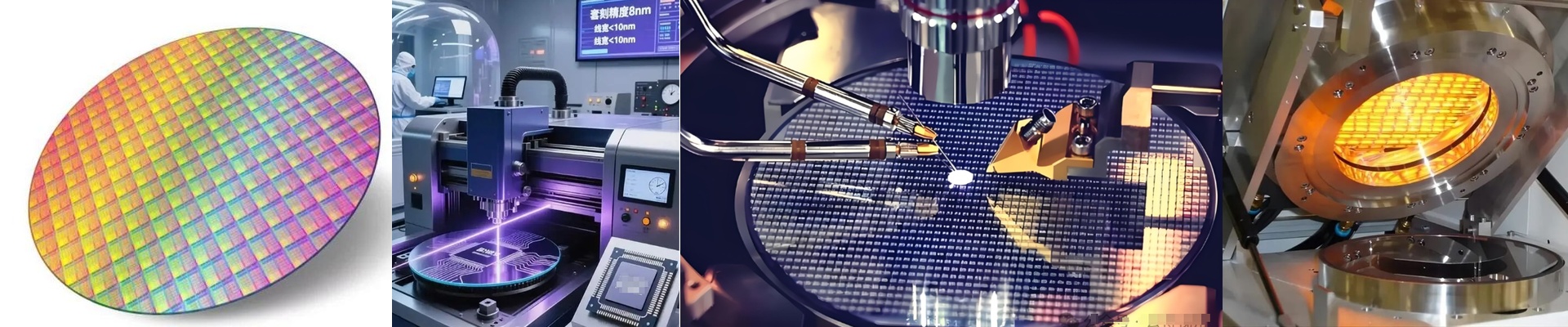
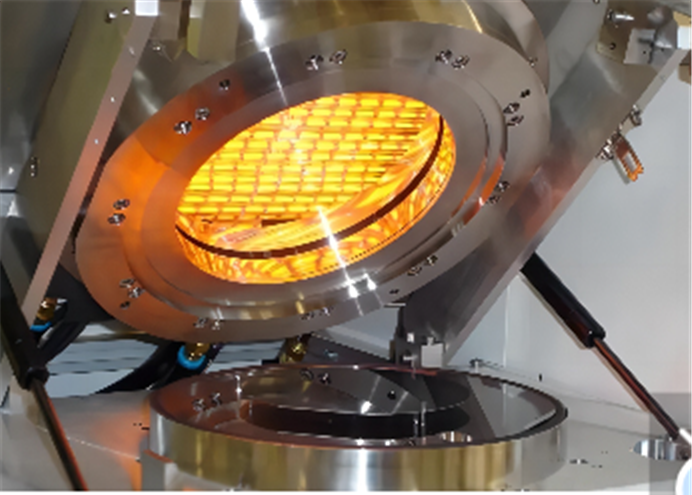
When you’re heating wafers, the goal isn’t just to crank up the power. It’s about making sure that energy actually hits the silicon instead of just warming up the air around it. Standard quartz lamps are a bit messy—they throw heat in every direction. That’s where gold-coated reflectors come in. They basically act like a mirror for infrared radiation, forcing all that energy straight down onto the wafer. The trick is in the physics. Gold is incredible at reflecting long-wave and mid-wave infrared. By putting a gold-plated reflector behind your heating element, you stop the heat from leaking into the machine chassis. It’s a win-win. You get way more energy density on the wafer, but your power bill stays exactly the same. But you can’t just slap a lamp in there and call it a day. Distance is everything. If the lamp is too close, you’ll get “hot spots” that can ruin a wafer in seconds. Too far? The beam spreads out, and you lose the whole point of having the gold reflector. It’s a balancing act. A tighter focus means you hit your target temperature faster, but it puts more stress on your cooling system. If your chassis can’t handle the leftover heat, your internal components are going to fry eventually. A few warnings from the trenches. Gold is better than aluminum, but it’s soft. Really soft. You can’t just scrub these things. If you use a rough cleaner and scratch that coating, your efficiency tanks and your heating becomes uneven. Stick to non-abrasive cleaning, or you’ll be replacing reflectors a lot sooner than you’d like. One last thing: when you’re wiring this up, remember that focused radiation reacts fast. You’ll need to tweak your PID controllers to keep up with that speed, otherwise, you’ll overshoot your temperature every time.