
Keeping Your Semiconductor Heaters from Blowing Up
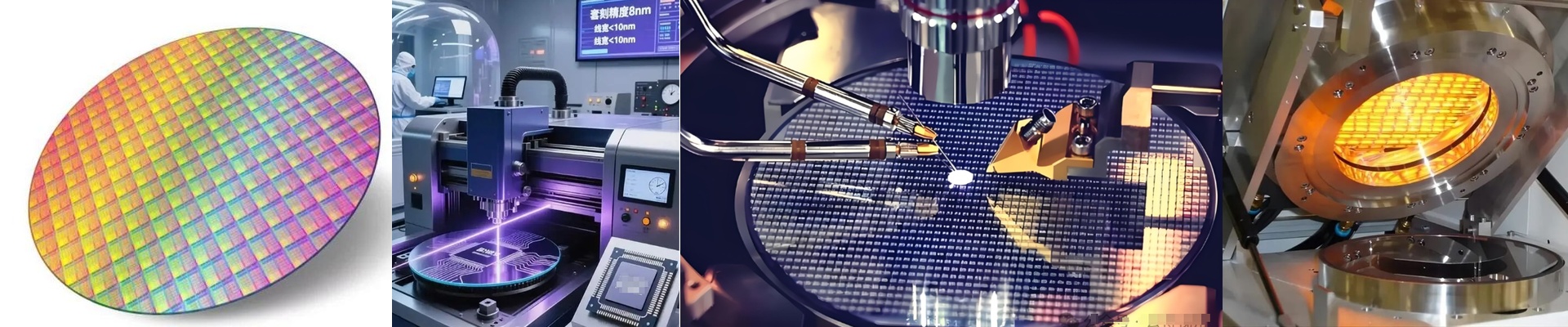
When you’re dealing with the kind of extreme heat we see in semiconductor manufacturing, things get risky. A tiny slip-up in insulation isn’t just a “part failure.” It’s the kind of mistake that fries your entire control board or brings your whole production line to a grinding halt. That’s why we don’t gamble. Every single tube we make goes through full voltage and insulation resistance testing before it even thinks about leaving our floor.
The reality of heat and stress
Here is the thing: high-power heaters live a hard life. They expand, they contract, and they do it over and over. Eventually, that stress can create micro-cracks in the insulation. Once those cracks show up, the dielectric strength drops and current starts leaking. To stop that from happening in your plant, we push our heaters way past their normal operating specs during testing. We basically beat them up in the lab to make sure they won’t break down in your machine.
Why we don’t do “spot checks”
Some shops just sample a few parts from a batch. We think that’s a bad move. One bad weld or one pinched wire in a thousand units is all it takes to shut you down for the day. It’s not worth the risk. We run a high-pot test on every single unit. We check the leakage current and the insulation resistance to make sure the barrier between the live element and the grounded chassis is rock solid.
The balancing act
Now, you might think, “Why not just make the insulation super thick?” Well, there’s a catch. If we overdo the insulation, we add too much thermal mass. That means your heater takes longer to warm up. You’d have a safer part, sure, but your ramp-up time would crawl. We spend a lot of time tuning that thickness. We want to give you a massive safety margin without killing your heating speed. It’s all about finding that sweet spot. Just a heads-up: when you’re wiring these in, double-check your grounding. Even the best heater in the world can’t save you if your machine’s chassis isn’t properly bonded.