
Why We Use Gold-Coated Twin Tube IR Lamps for Lead-Free Drying
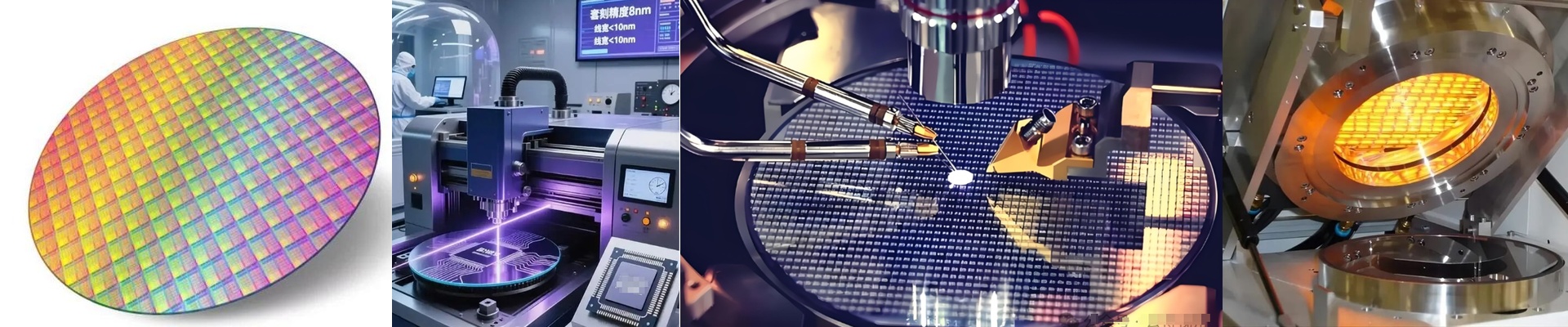
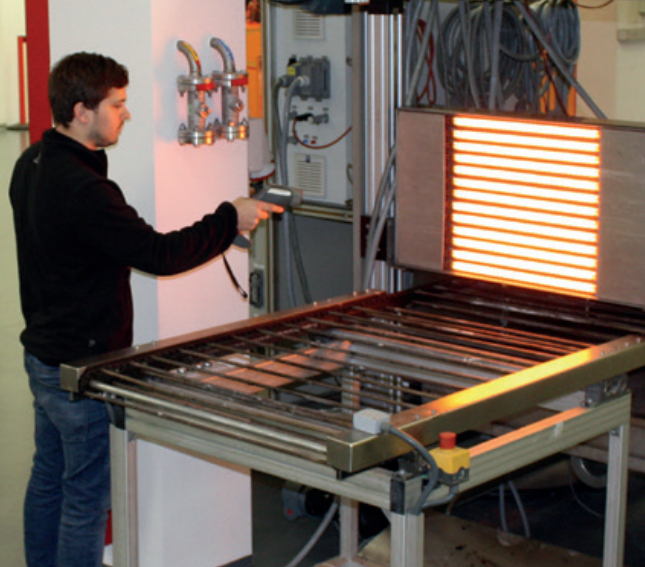
The semiconductor world is pushing hard toward “green” and lead-free standards. But here’s the problem: old-school convection ovens are energy hogs. They waste a ton of power just heating up the air and the walls of the chamber before they even touch the product. We found a better way. By using twin tube gold-coated infrared (IR) lamps, we stop heating the room and start heating the substrate. It’s a much leaner way to work. The magic of the gold coating Standard quartz tubes throw energy in every direction. By adding a gold coating, we basically create a mirror that bounces long-wave radiation back into the filament. This forces the lamp to push out concentrated short-wave IR. Why does that matter? Because short-wave radiation digs deeper into the curing material. It’s faster. It’s more efficient. Plus, that gold layer acts like a shield, keeping cleanroom chemicals from messing with the quartz. Double the tubes, double the heat We went with a twin tube design because it lets us pack more heating surface into the same small space. By pairing two filaments together, we get a massive punch of heat density without having to crank the voltage to dangerous levels. You can hit your operating temperature in seconds. It’s a huge relief compared to convection systems, where you often end up “over-baking” and ruining sensitive components. The catch (and how to handle it) These lamps are pretty easy to install—they just slide right into your existing power rails. But there is a trade-off. Because they pack so much heat into one spot, the lamp surface gets scorching hot. If your cooling fans or heat sinks aren’t up to the task, you’re going to have a bad time. You might melt your connectors or warp your mounting brackets. My advice? Keep a close eye on the quartz surface temperature. You need solid airflow to make sure these lamps actually last. Get the airflow right, and you can ditch the solvent-based drying entirely. Your line stays clean, your energy bills drop, and you’re finally in line with those global environmental standards.