

Why we use IR lamps in the cleanroom
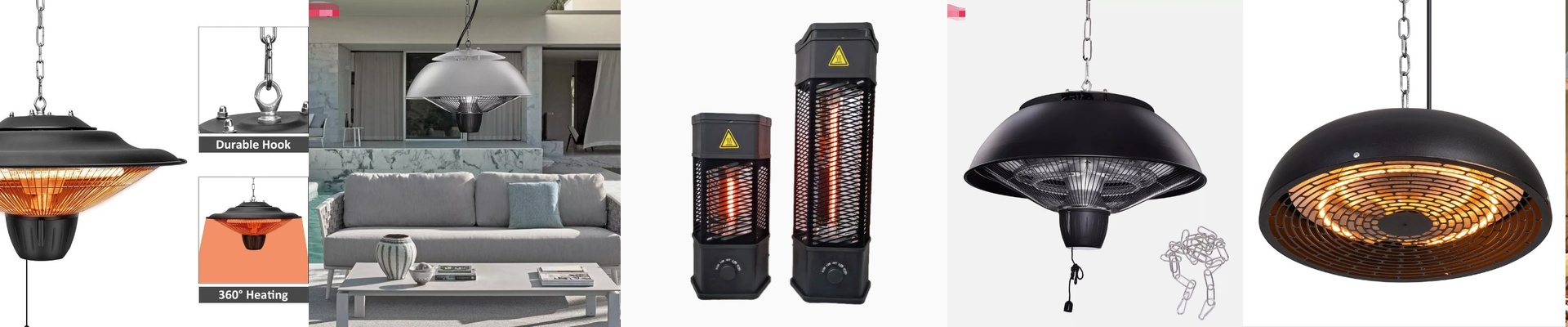
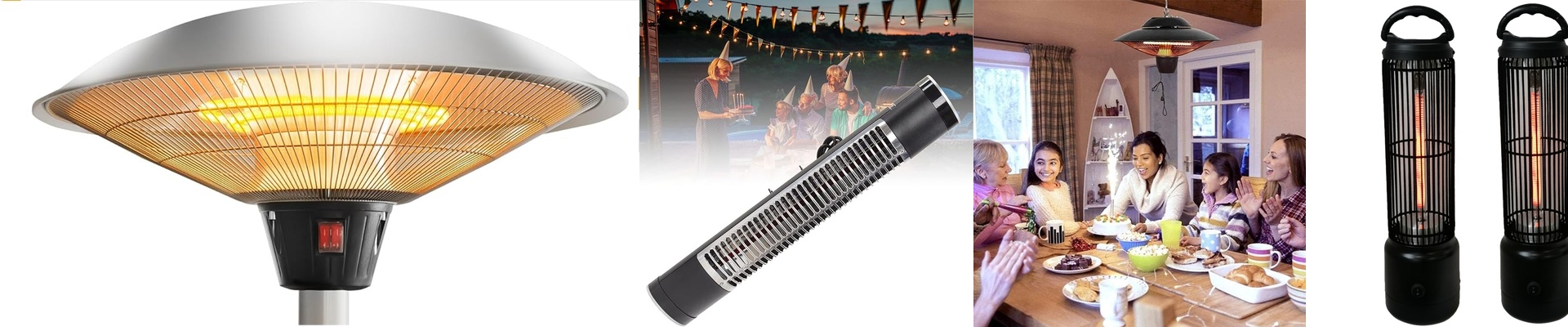
If you’ve spent any time in a semiconductor cleanroom, you know that moving air is the enemy. It kicks up dust, shifts particulates, and generally makes a mess of your environment. That’s why we stick with infrared (IR) lamps for bench-top curing. Instead of blowing hot air around—which is basically an invitation for contamination—IR lamps use radiation. No fans. No forced air. Just a stable, quiet workspace.
Dealing with lead-free materials
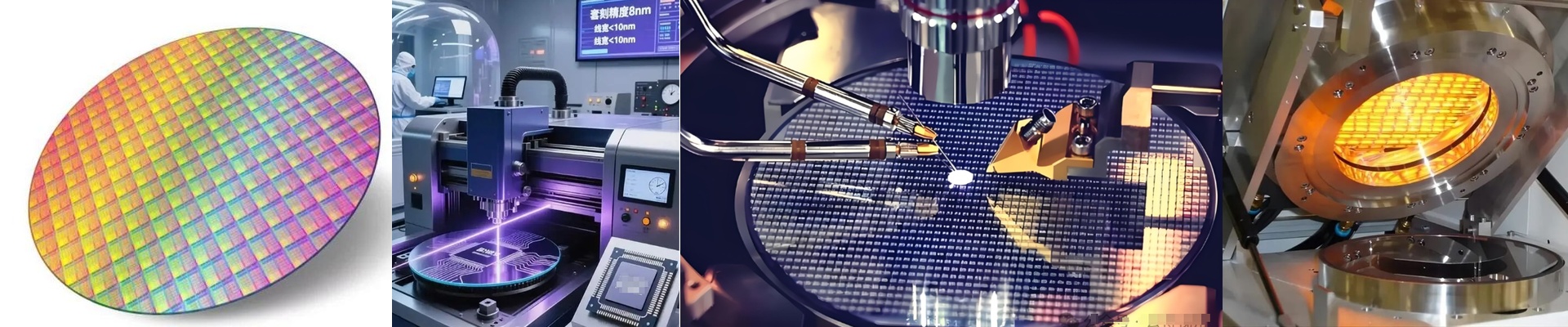
Moving to lead-free solder and adhesives isn’t exactly a walk in the park. They need way more heat to actually activate. Old-school hot air ovens are a nightmare here. They try to heat the entire room, the walls, and the air itself just to get the part warm. It’s a waste of energy. With IR, we just aim the heat right at the substrate. We focus the energy exactly where the bond needs to happen. It’s fast. Really fast. You hit your thermal profile in seconds and get the part moving again.
No more waiting around
One of the best parts? IR is “instant-on.” You don’t have to show up an hour early to pre-heat a massive oven before the first wafer even hits the line. You just flip a switch. Plus, since the heat is directional, we can shield the rest of the bench. This means your sensitive electronics nearby don’t get baked while you’re curing a specific part.
The tricky bits
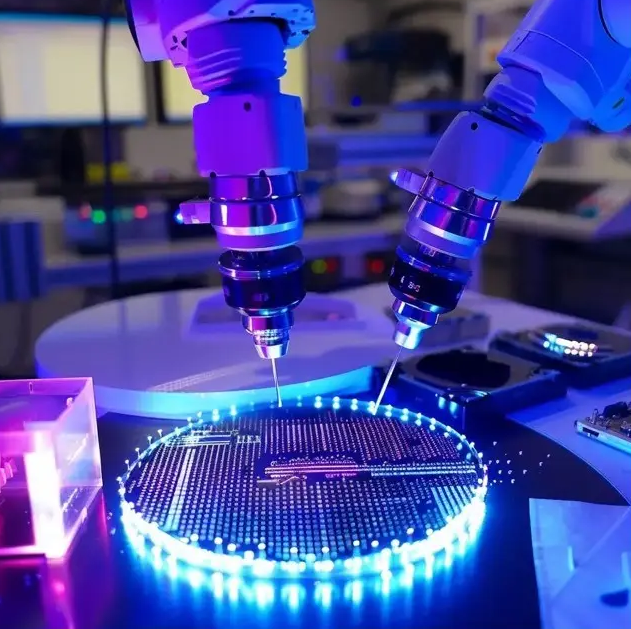
Now, it’s not all magic. You have to be careful. High-intensity IR creates a steep thermal gradient. If your part has some thick spots and some thin spots, the thin areas will heat up way faster. It can be a bit of a balancing act. You’ve got to pick the right wavelength—shortwave or medium-wave—depending on what the material actually absorbs. And a word of warning: if you crank the wattage too high on a small part, you’ll overshoot the temp and fry your wafer. To keep things from going south, we pair these lamps with PID controllers and thermocouples. It’s the only way to make sure you don’t burn everything to a crisp. But honestly, once you make the switch, you can ditch the chemical solvents and those clunky old heating elements. It’s a simple way to swap out aging ovens that would never pass a modern green energy audit.