
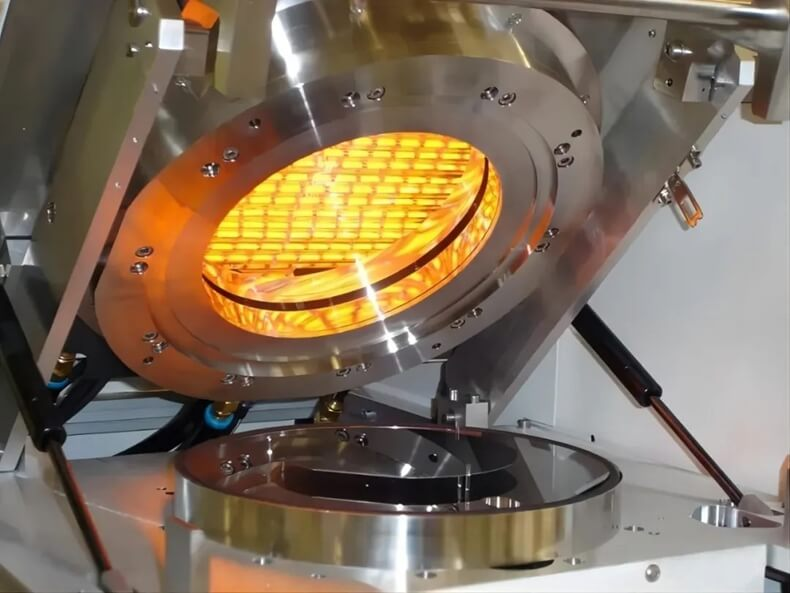
Stop Wasting Power in Your Fab Drying Systems
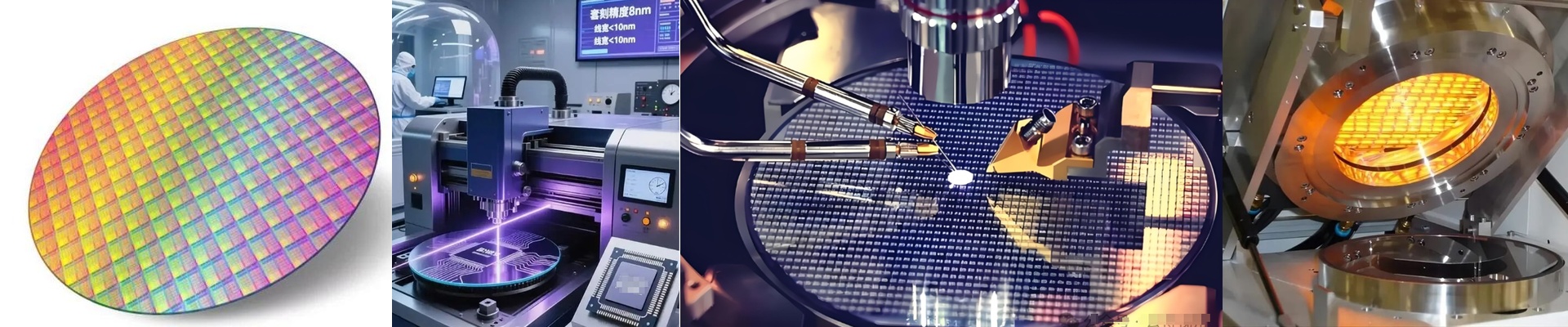
Let’s be honest: wasting wattage in a semiconductor fab is just throwing money away. It hits your OpEx hard. The problem is that most standard reflectors are pretty sloppy. They scatter infrared energy everywhere, which means a huge chunk of the electricity you’re paying for never even touches the wafer. We fixed this by using high-purity gold-coated reflectors. Instead of letting that energy wander, we focus it. Why gold? Most people use aluminum, but aluminum absorbs too much energy and bounces the rest in random directions. Gold is different. It’s incredibly efficient at reflecting near-infrared light. Instead of the chamber walls soaking up the heat, the radiation bounces straight forward. It puts the heat density exactly where it belongs: on the wafer. You get way more bang for your buck per watt. Getting the heat right When you tighten that focus, you hit your drying temperatures much faster. But you can’t just blast it. If the heat isn’t spread evenly across the whole wafer, you get hot spots. And hot spots lead to warped silicon. We spend a lot of time making sure the energy distribution is smooth so you get the speed without the risk. The catch (and how to handle it) Here’s the thing: gold coatings are a bit precious. They can’t handle a beating from corrosive chemicals or rough cleaning. If your fab is full of chemical vapors, you’ll need a protective quartz shield. Think of it as a raincoat for your reflectors. Without it, contaminants bake onto the gold, the reflectivity tanks, and you’ll find yourself cranking up the power just to get back to where you started. Making it work for you Swapping in gold-coated reflectors is a simple way to drop your total power draw without losing any thermal output. Plus, it takes some of the pressure off your facility’s cooling systems. If you aren’t sure where you stand, it might be worth auditing your lamp arrays. You might find out your current reflectors are just soaking up power that should be drying your wafers.