

Stop Letting Your Heating Elements Kill Your CNT Yield
If you’ve spent any time in a Class 100 cleanroom, you know the drill. The smallest speck of dust is basically a disaster. When you’re fabricating carbon nanotubes (CNTs), that struggle gets even realer because you need extreme heat. The problem? Most standard heating elements are messy. They outgas, they flake, they shed particles. It’s a nightmare for your yield. That’s why we switched to high-purity synthetic quartz infrared lamps. No flakes. No surprises. Just clean heat.
Why we obsess over the quartz
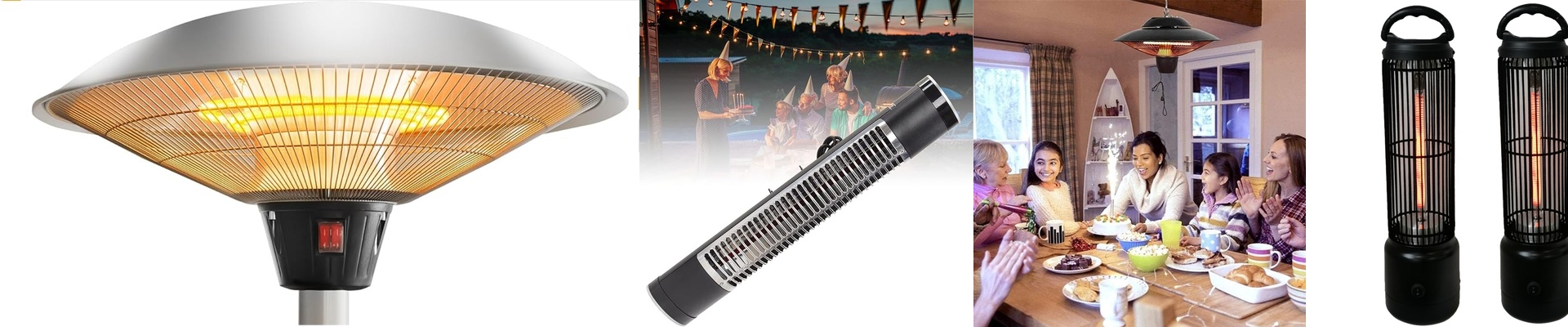
We don’t just use any glass. We use high-purity quartz because it doesn’t break down or leak impurities when things get hot. These lamps put out shortwave IR radiation that hits your substrate directly. It’s a huge win for your timeline because you can ramp up the temperature fast. You aren’t wasting time heating up the entire air volume of the chamber—just the stuff that actually needs to be hot. We also make sure the tubes are fused and sealed tight. This keeps the internal filament particles exactly where they belong: inside the lamp, not in your production zone. Plus, the surface chemistry is inert, so the lamps won’t react with whatever trace gases you’re using to grow your nanotubes.
Keeping things clean (and not breaking the glass)
To keep a “zero-pollution” environment, we stripped out the junk. No organic binders. No cheap adhesives. We stick to mechanical, heat-resistant seals. Simple. But a quick word of advice on power density: these things are powerful. If you just crank them to max wattage immediately, you’re asking for thermal stress. Don’t shock the glass. We recommend a staggered power-up sequence. It’s safer. And keep an eye on your airflow. If you push the wattage too hard without enough air moving, you’ll get localized hotspots that can warp your fabrication jigs. Trust me, you don’t want to deal with that.
Fitting them into your line
We designed these to be drop-in replacements for your current IR arrays. We kept the footprint small so they actually fit into those cramped vacuum chambers or atmospheric CVD setups. Because the quartz lets more energy through, more heat goes into the nanotubes and less leaks into the room. Your cleanroom HVAC will thank you for not making it work overtime.