


Stop Wasting Your Heat: Why Gold-Coated IR Lamps Actually Matter
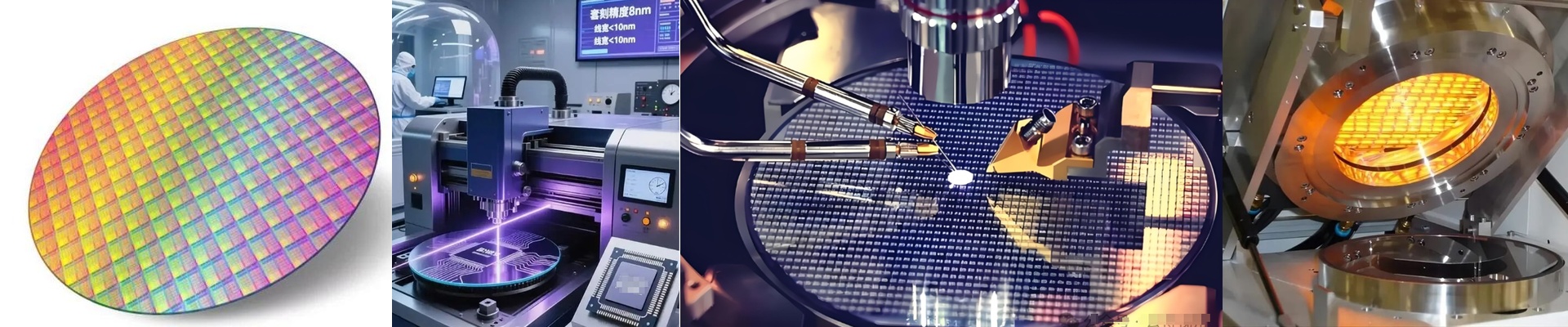
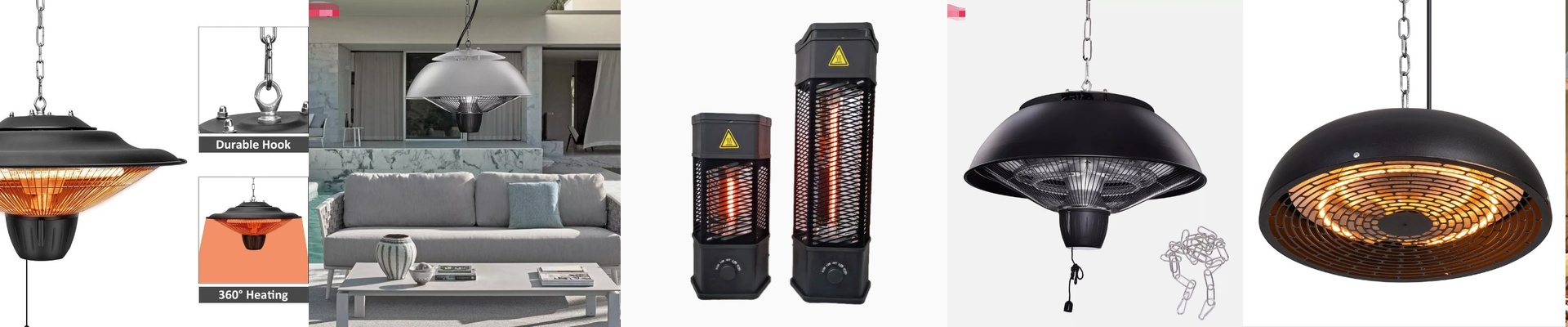
When you’re processing semiconductor wafers, every watt counts. Most standard quartz lamps just throw energy in every direction—360 degrees of heat. But your wafer is only on one side. That means you’re basically heating up the inside of your machine for no reason. We fixed that by adding a thin layer of high-purity gold to the back of the lamp. Gold is incredible at reflecting infrared radiation—we’re talking over 98%. It’s not about making the heat “better,” it’s just about pointing it in the right direction. Instead of losing energy to the lamp housing, we bounce it straight back onto the wafer. The result? You get a tighter thermal profile and your ramp-up times drop. And the best part is, you get all that extra punch without having to pull more current from your power supply. The Nitty-Gritty on the Hardware These lamps are built to handle some serious heat. We can tweak the wattage and voltage to fit whatever footprint your tool has, so they play nice with your existing power supply. If you need rapid curing or baking, you’ll want high-wattage tubes. Just keep in mind that those put a lot of stress on your sockets. Also, if you’re cramming a lot of power into a short tube, the ends of the quartz can get stressed. We handle that on our end by centering the filament perfectly so you don’t have to worry about it. A Few Things to Watch Out For Now, I’ll be honest: gold coatings cost more upfront. You also have to be a bit more careful when you’re installing them. A single fingerprint or a scratch on that gold layer can create a “cold spot.” On a 300mm wafer, that kind of uneven heating can be a real headache. And if you’re switching over from uncoated lamps, be ready for a jump in surface temperature. It’s a lot more concentrated energy. Just double-check that your cooling fans and heat sinks can handle the extra load—otherwise, you might accidentally fry a nearby sensor.