
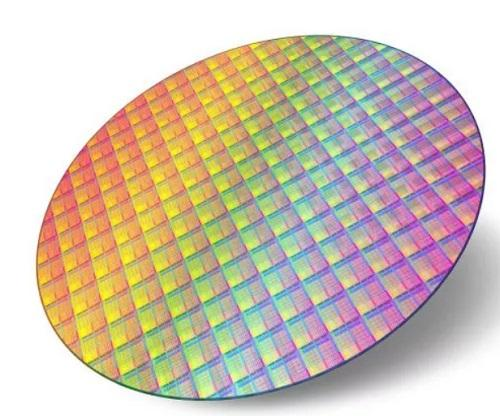
Stop the Shrapnel: Keeping Your Wafers Clean When Infrared Heaters Fail
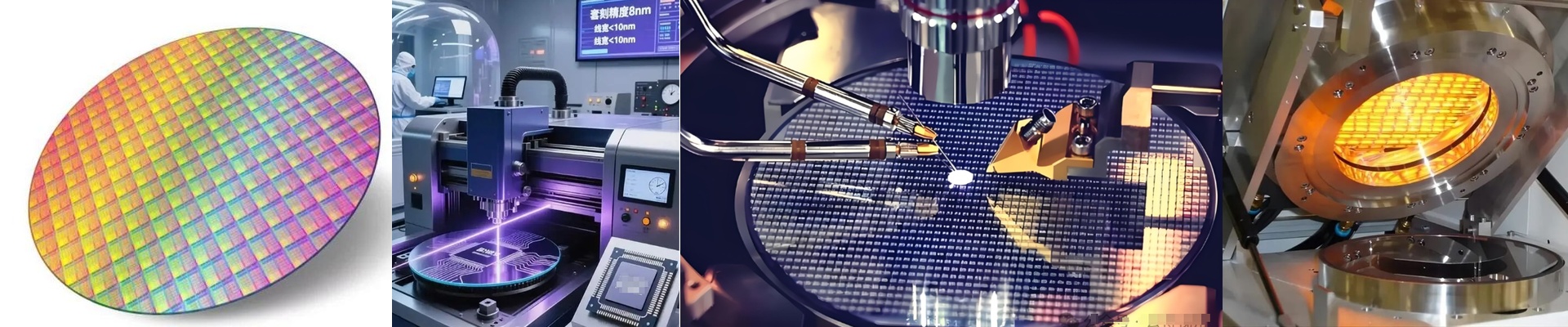
Let’s be honest: in wafer processing, one burst lamp can ruin your entire day. And your entire batch of silicon. When you’re pushing high-load production, you’re basically redlining your infrared lamps. If a quartz tube gives out, it isn’t a quiet failure. It’s a mess. You end up with glass shards and particulates flying all over your clean room, and suddenly you’re staring at a massive cleanup job and a lot of wasted money. How we stop the burst We’ve spent a lot of time figuring out why these tubes actually fail. Usually, it’s a weak seal or some uneven heating that creates a stress point. To fix that, we use high-purity fused quartz. It handles the heat expansion way better. We also obsess over where the filament sits. By centering the heat load, we take the pressure off the end caps. It stops that “burn out” you see in the cheap lamps that can’t handle the heat. Planning for the worst Even with the best quartz in the world, things happen. You have to assume that, eventually, something will break. That’s why we put a physical barrier around the heating element—think of it as a specialized shield or a high-transmittance quartz sleeve. If the inner lamp pops, the shield catches the debris. The shards stay trapped, and your wafers stay pristine. It’s basically an insurance policy for your clean room. The heat struggle Here’s the trade-off: you want fast ramp-up times, which means high heat density. But when you cram too much wattage into a short tube, you get hotspots. This is where a lot of people trip up. If your cooling fans and airflow aren’t dialed in, the ambient heat just sits there. Eventually, your connectors degrade, you get electrical arcs, and everything goes sideways. Get your exhaust right, or you’re just asking for trouble. Getting it running We made these lamps simple. They’re drop-in replacements, so you don’t have to rebuild your whole setup. We also reinforced the contacts. They won’t wiggle loose when the machinery starts vibrating. One last tip: pair them with a precision PID controller. It smooths out the voltage spikes during startup, which is usually when quartz tubes decide to crack.