


Stop Heating the Air: A Smarter Way to Process Wafers
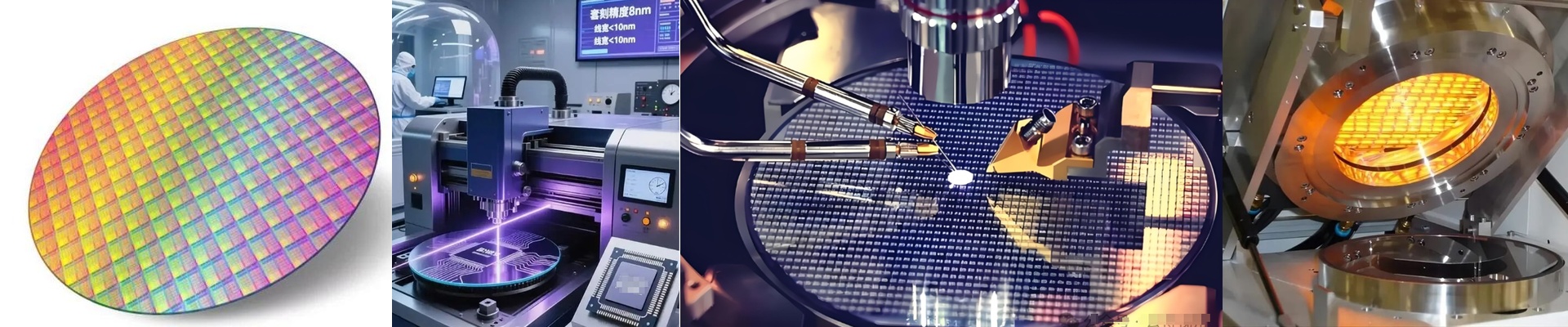
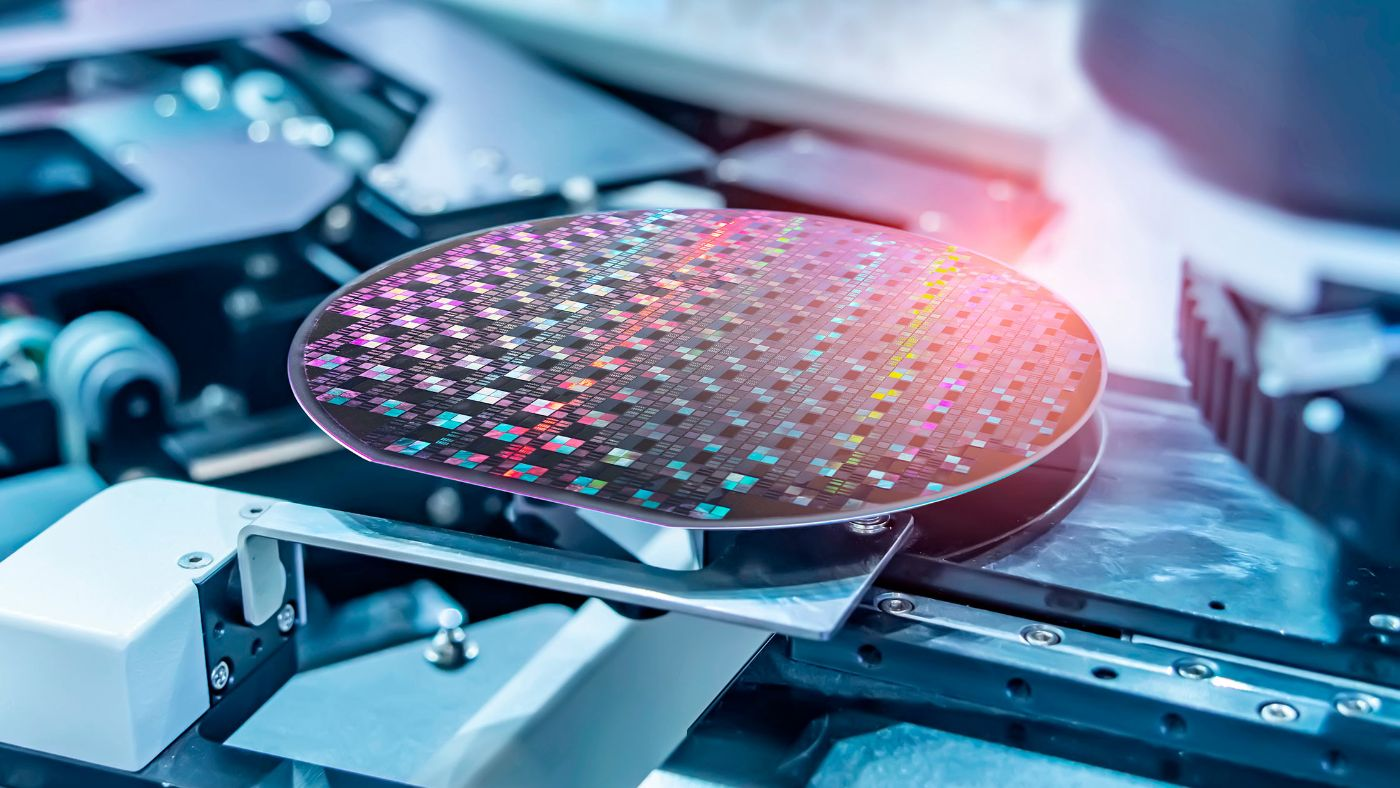
Let’s talk about the old resistive ovens. They work, sure, but they’re basically giant space heaters. You’re spending a fortune to heat up the entire chamber and all the air inside it just to get your wafer to the right temperature. It’s a waste. That’s why we’ve shifted to infrared (IR) heating. Instead of warming up the whole room, we shoot the heat straight into the wafer. It’s cleaner, faster, and it stops the cleanroom from eating up power for no reason. Getting the heat exactly right In this business, if your temperature is off by a hair, you’ve just turned a batch of silicon into expensive scrap. That’s a nightmare nobody wants. We use shortwave radiation to get the wafer up to temp in seconds. Because it’s radiative heat, you aren’t wasting kilowatts warming up the tool’s chassis. We obsess over the wattage-per-centimeter ratios because we want a smooth, even heat—no hot spots, no surprises. The gear behind the curtain We build these things with tungsten filaments and high-purity quartz. But here’s the trick: we apply specific coatings to that quartz. Why? Because we want the wafer to soak up the energy, not bounce it back like a mirror. We pair these lamps with PID controllers that react instantly. You can ramp the heat up or kill it almost immediately. It makes the whole process feel snappy and controlled. The catch (and how to handle it) Now, there is a trade-off. High-wattage IR arrays pack a massive punch. That’s great for getting more chips through the door, but it puts a lot of stress on your cooling. If your heat exchangers aren’t up to the task, the tool housing gets too hot. Then you start seeing sensors drift or filaments burn out. You have to make sure your cooling can keep up with the intensity. The payoff is worth it, though. By cutting out all that idle energy waste, your electricity bills drop and your carbon footprint shrinks. You get a “green” factory that actually works, without having to compromise on the tight tolerances that make a chip actually work.