Getting Your IR Heat Right for Wafer Bio-Sensors
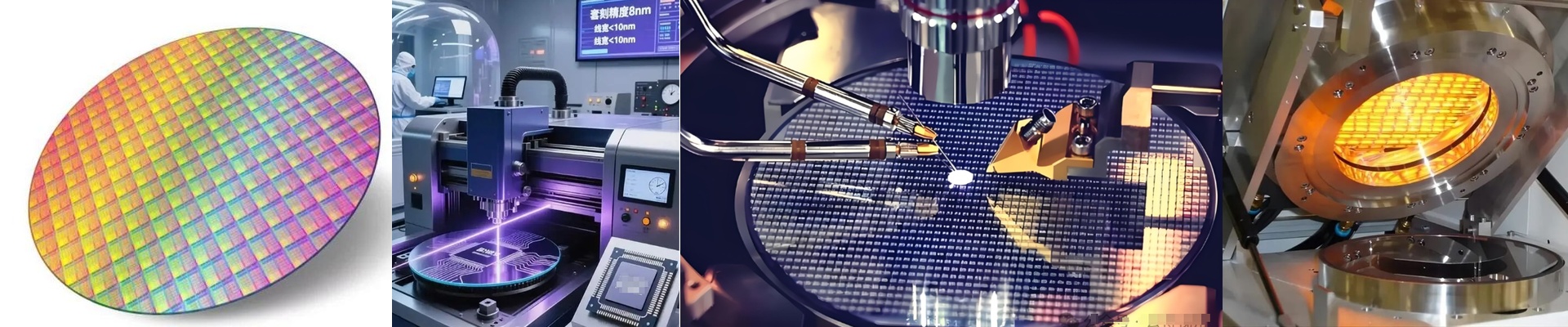
When you’re building bio-sensors on wafers, the heat has to be spot on. If your thermal profile is off, you’re just burning through power and praying that the curing happens evenly. It’s a headache. That’s why we use gold-coated reflectors. It sounds fancy, but the goal is simple: make sure every single watt of electricity actually hits the wafer instead of disappearing into the machine. Why gold? Most people use aluminum reflectors, but here’s the problem—aluminum absorbs too much energy. We swap that out for a high-purity gold layer. Gold is a beast when it comes to infrared reflectivity. Instead of the heat soaking into the machine frame and warming up the room, it gets pushed forward. You get a much tighter focus. This means you hit your target temperatures faster, and your power bill stays lower. Dealing with tight spaces Bio-sensor lines are usually cramped. There’s no room for bulky equipment. We design these lamps to pack a lot of heat into a very small area. By tightening that IR beam, we kill off the cold spots. You can hit the exact activation temperature you need without accidentally frying the rest of the substrate. It’s a delicate balance, but it works. The honest trade-offs Now, it’s not all magic. High reflectivity means a much more intense heat flux. That puts some real stress on your quartz envelopes. If you’re running these lamps at full blast for long stretches, keep an eye on the tube ends. If they start darkening, it’s time to pay attention. And please, keep the reflectors clean. Seriously. Even a tiny bit of dust or some organic gunk will tank your reflectivity. When that happens, your system has to pull more current just to keep the temperature steady, which wears everything down faster. One last tip: wire these into a stable PID controller. Because the reflection is so efficient, a tiny voltage spike can cause the wafer temperature to jump way too fast. You want a smooth ride, not a rollercoaster.