Keeping Your IR Heating Safe in Volatile Labs
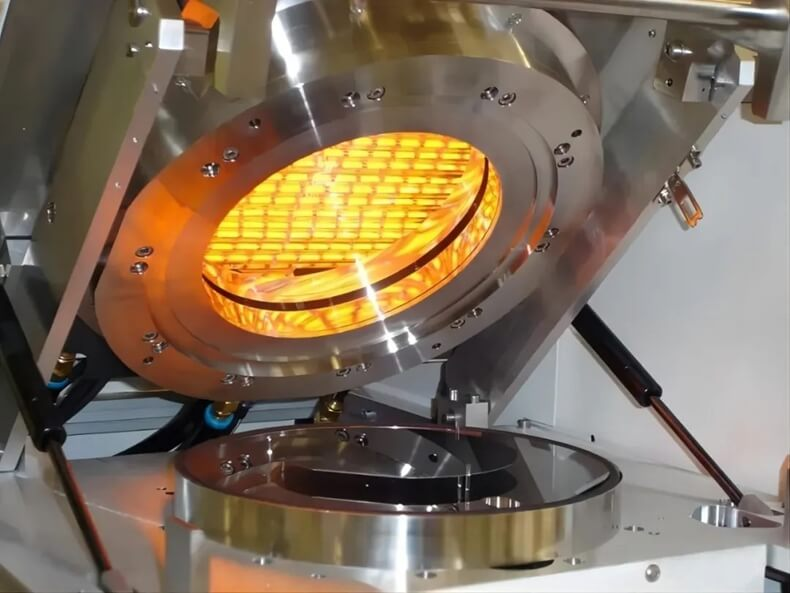
If you’re fabricating bio-sensors, you know the drill: you need precise IR curing and drying. But when those lamps are sitting inside a chemical cleaning station, things get dicey. You’re dealing with flammable solvents and explosive vapors. Using a standard open-element lamp in that environment isn’t just risky—it’s a fire hazard. We figured out a better way. Instead of leaving the quartz open to the elements, we use specialized hermetic encapsulation.
Stopping the Spark
Here’s the thing: in a volatile atmosphere, one tiny spark or a hot surface hitting a chemical mist can blow the whole room. To stop that from happening, we wrap our IR lamps in high-grade quartz or sapphire sleeves. We seal them up with heavy-duty gaskets. This creates a physical wall between your electrical parts and the air around them. But we didn’t stop at the sleeves. We use explosion-proof potting compounds at the terminal ends. Why? Because solvent vapors love to sneak into internal wiring. If a seal fails and vapor hits a hot filament, it’s a disaster. Our setup keeps the heating element totally isolated.
Dealing with the Chemicals
Chemical cleaning agents are brutal. They eat through standard plastics and adhesives like they’re nothing. That’s why we only use materials that can actually handle acids and organic solvents without breaking down. Now, there is a trade-off. Adding that protective layer means you lose a bit of that direct IR intensity you get from a bare lamp. It’s not a deal-breaker, but you’ll notice it. You might need to tweak your dwell time or bump up the wattage to get your bio-sensor substrate to the right temperature.
Making it Work in Your Shop
We built these to be drop-in replacements. You shouldn’t have to tear apart your entire heating rack just to do some maintenance, so we made the seals easy to swap out. One quick tip: keep an eye on your ventilation. Make sure your system is actually pulling those vapors away from the lamp housing. If chemicals build up on the outer sleeve, your heat distribution will get uneven, and you’ll be fighting your settings all day.