Getting Your Heat Right in Bio-Sensor Fabrication
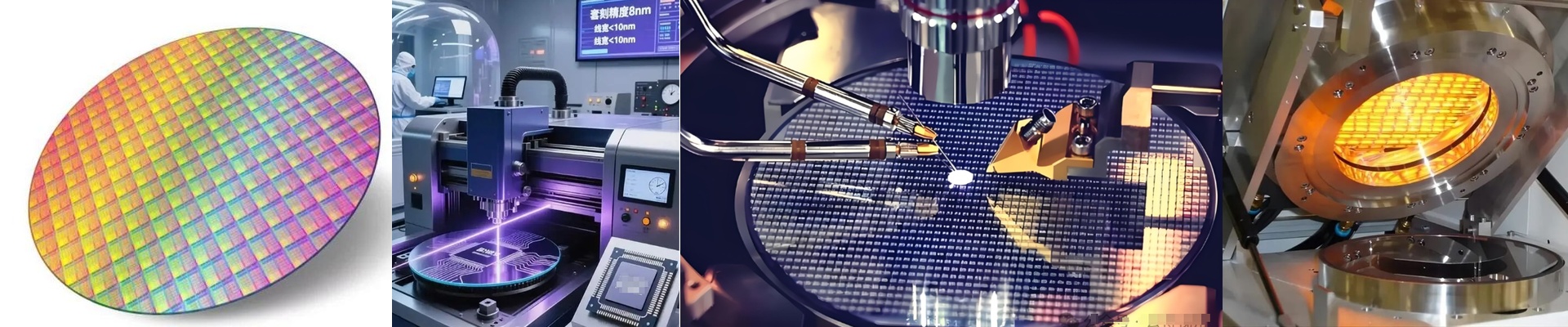
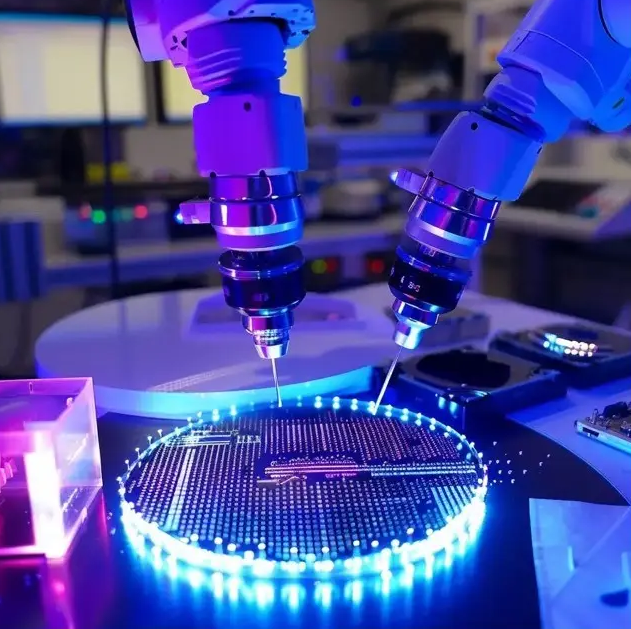
If you’ve ever worked with bio-sensors, you know the struggle. You need the substrate stable and the chemical bonding just right, but the margins are razor-thin. Old-school convection ovens just don’t cut it anymore. They waste too much time heating up the air. That’s why we’ve switched to short-wave infrared (IR) lamps. They hit the material directly. No middleman. It’s fast. Really fast. And that’s the only way to keep up when you’re running a high-throughput line.
Stop Guessing Your Temps
The worst thing a heating system can be is a “black box” where you just cross your fingers and hope for the best. We build our IR arrays to talk directly to your PLC systems. This means you can tweak the wattage on the fly. By linking the IR output to real-time sensor feedback, you stop that annoying thermal overshoot that usually fries delicate bio-layers. You get the same heat signature every single time a wafer goes through. It’s a huge relief.
The Trade-off: Power vs. Heat Soak
Here’s the thing: everyone wants a smaller equipment footprint. To get that, we pack in high heat density. But there’s a catch. When you cram that much power into a small lamp, the housing gets hot. Like, really hot. If you skimp on the cooling fans or the liquid-cooling jackets, that waste heat starts to drift your sensor calibrations. You have to find that sweet spot between how hard the lamp is working and how fast your chassis can shed the heat.
Making the Hardware Flexible
In a modern shop, you can’t afford to spend a whole day rewiring a rack just because you changed substrates. We use modular lamp arrays and standard connectors to keep things simple. If you need to switch things up, you don’t need a toolkit—you just update the power profile in your software. It turns your heating stage into a programmable tool you can actually play with, rather than a rigid piece of iron that only does one thing.