Why we use Infrared Curing for Bio-Sensors and Chips
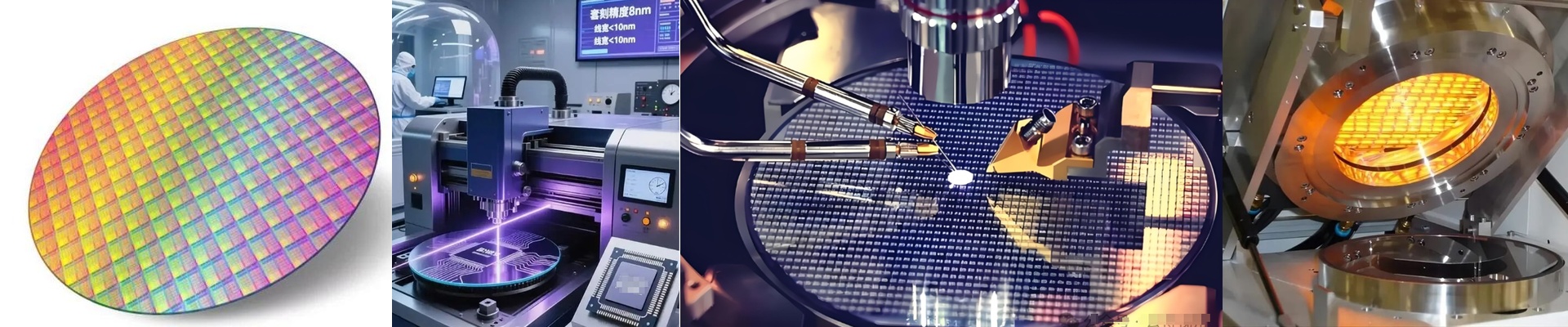
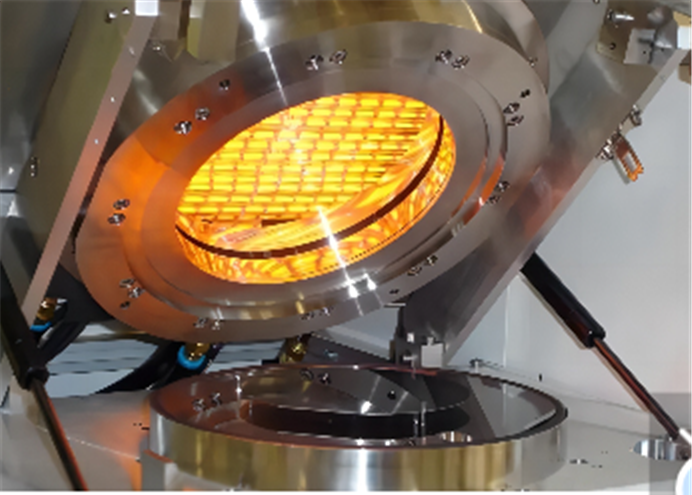
When you’re building bio-sensors, you’ve got a tricky balance to strike. You need to cure your adhesives and functional layers perfectly, but you can’t afford to mess up the substrate with contamination. That’s why we lean on infrared (IR) lamps. Instead of heating up a giant box of air and hoping for the best, IR sends energy straight into the material. It’s a direct hit. You stop wasting energy on the oven walls and put it exactly where it belongs.
How it actually works
Hot air is a bit blunt. IR is different. The waves actually sink into the surface of the sensor, heating it from the inside out. This is a huge deal because it stops “skinning.” You know that annoying thing where the top layer hardens too fast and traps solvents underneath? Yeah, IR fixes that. Plus, we can tune the wavelength. It’s like tuning a radio—we match the wave to the curing agent so the heat goes exactly where it’s needed and nowhere else.
Going green without the headache
The industry is finally ditching lead-based solders and those nasty solvents. IR makes that transition a lot easier. Since it runs on electricity, you aren’t dealing with gas-fired ovens or carbon emissions. No combustion by-products, no weird fumes floating around your cleanroom. Just clean heat. And here’s the best part: these lamps hit their operating temperature in seconds. You don’t have to leave a massive oven idling for hours “just in case.” Your power bill—and your carbon footprint—will thank you.
The tricky parts (The trade-offs)
Now, it’s not all magic. High-intensity IR puts out a massive amount of heat. If your lamp is even a tiny bit too close to the sensor, you’ll scorch the organic layers. It happens fast. To keep things from going south, you’ll want a solid PID controller and a thermocouple that reacts instantly. You need a tight window, and you need to stay in it. Oh, and don’t forget the shielding. IR is powerful stuff, so make sure your team is protected when they’re doing maintenance. Safety first.