

Why Gold Matters for Your IR Systems
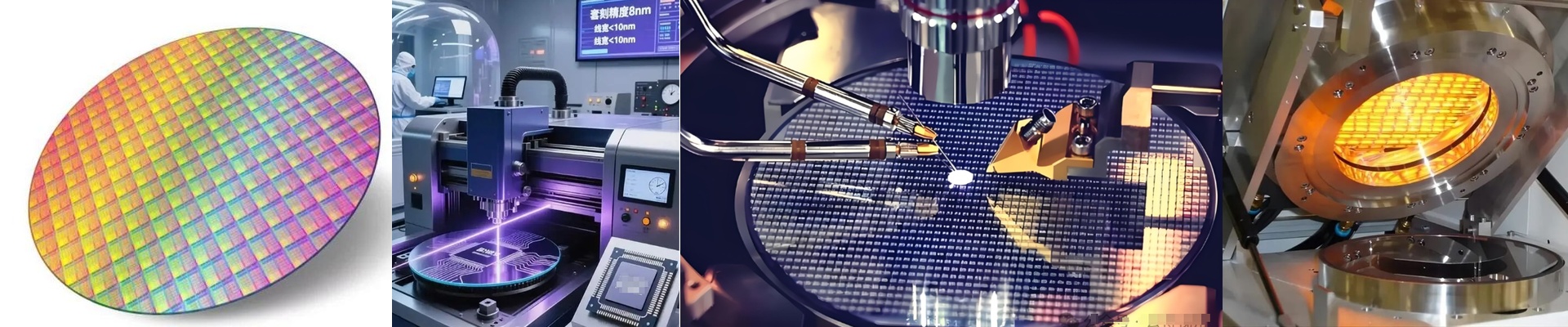
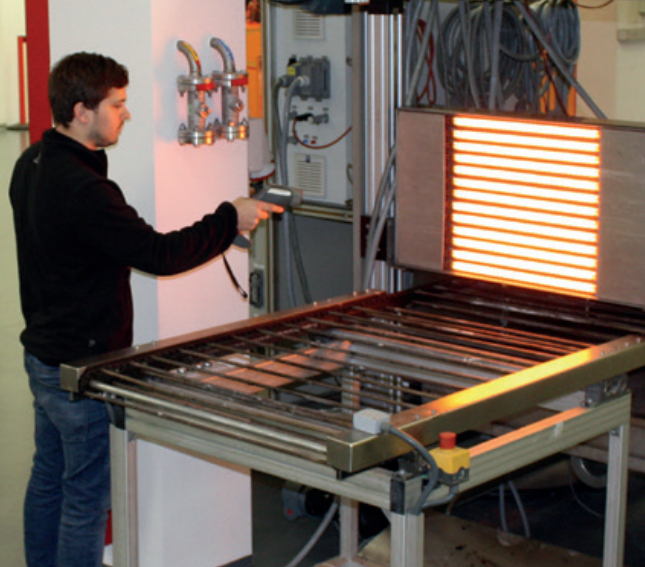
If you’re heating silicon wafers and you’re wasting wattage, you’ve got a design problem. It’s that simple. Most standard reflectors just scatter energy everywhere. We do things differently. By using gold-coated reflectors in our ozone-free IR lamps, we make sure the energy actually hits the wafer instead of just heating up the inside of your machine. The deal with gold Here’s the thing: gold is just better at reflecting long-wave and mid-wave infrared. You’ll see aluminum used a lot because it’s cheap, but it doesn’t have the precision you need for high-density processing. Our gold layers cut down on absorption losses. More photons go exactly where they’re supposed to. The result? A tighter focus and a thermal profile that’s actually uniform across the wafer. No weird cold spots. Keeping the ozone out We also filter the emission spectrum to kill off the wavelengths that create ozone. It’s a huge relief for your cleanroom environment. Plus, it stops those sensitive organic layers on your wafer from breaking down. You can push these lamps to high power densities without worrying about creating hazardous junk in the air. The tricky part: Integration Now, there is a catch. You have to be spot-on with your alignment. Because the gold coating focuses the beam so tightly, being off by just a few millimeters can create a hot spot on your substrate. You don’t want that. Make sure your mounting brackets are rock-solid with zero room for movement. And a heads-up on the heat. These high-reflectivity systems concentrate a lot of thermal energy inside the housing. If you’re cranking up the wattage to speed up throughput, your cooling fans or liquid loops need to be beefy enough to handle it. If the ambient heat gets out of control, your filaments are going to burn out faster. We build these for environments where downtime is a nightmare. Just use the right voltage regulators to keep the filaments from spiking, and those gold reflectors will keep humming along for thousands of cycles.