Why we use Infrared for Lead-Free Semiconductor Curing
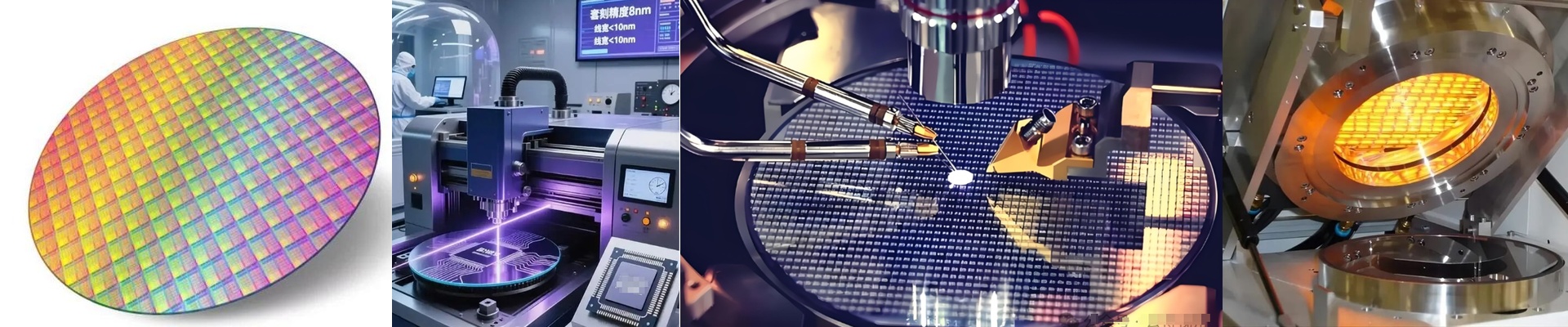
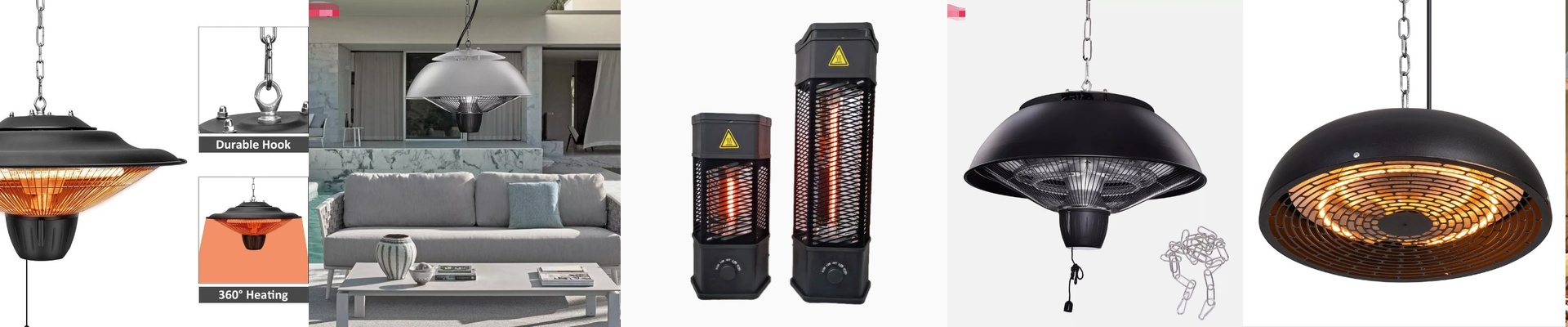
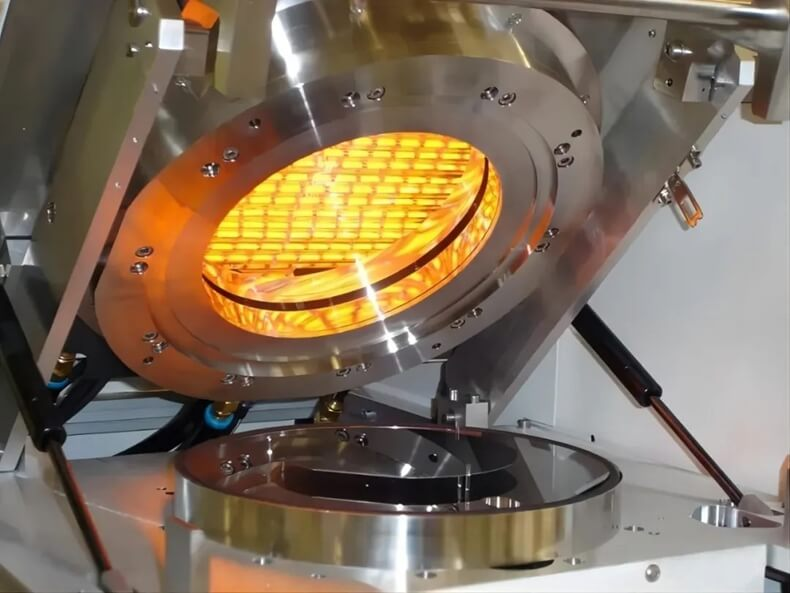
When you’re building biosensors, the heat is everything. You need to cure conductive inks and polymers just right—too cold and they won’t set, too hot and you’ve just fried your substrate. That’s why we stick with infrared (IR) lamps. Instead of heating up a giant room of air, IR sends energy straight into the material. It’s direct. No wasted power, no waiting around for an oven to warm up.
How the drying actually works
Think about those old-school convection ovens. They just blow hot air around. It’s slow, and honestly, it often leaves a mess of residue behind. IR is different. It uses shortwave radiation that sinks right into the surface of the sensor. We target the specific parts of the curing agent that actually need the heat. The speed is the best part. You hit that glass transition temperature in seconds. Not minutes.Seconds.
Keeping it clean and green
The industry is pushing hard for “lead-free” and “green” standards right now. IR fits right into that. There are no combustion gases or weird chemical solvents involved in moving the heat. It’s clean. We also use quartz envelopes for these systems. Purity is a big deal here—one tiny speck of dust in the curing zone can trash an entire batch of sensors. Since we aren’t blasting forced air everywhere, we don’t have to worry nearly as much about airborne junk landing on the wafers.
The tricky parts
Now, it’s not all magic. High-intensity IR lamps pack a massive amount of heat into a tiny space. You have to be careful with your “dwell time.” If your conveyor belt slips or a lamp is an inch too close to the wafer, you’ll scorch the substrate or warp it. It’s a quick way to ruin a day’s work. To stop that from happening, we use closed-loop PID controllers and very precise spacers to keep everything stable. The upside? You can shrink your drying tunnel significantly. It gives you a lot more breathing room on the factory floor. Just a heads-up: make sure your electrical panel can handle the initial surge when those lamps first kick on.